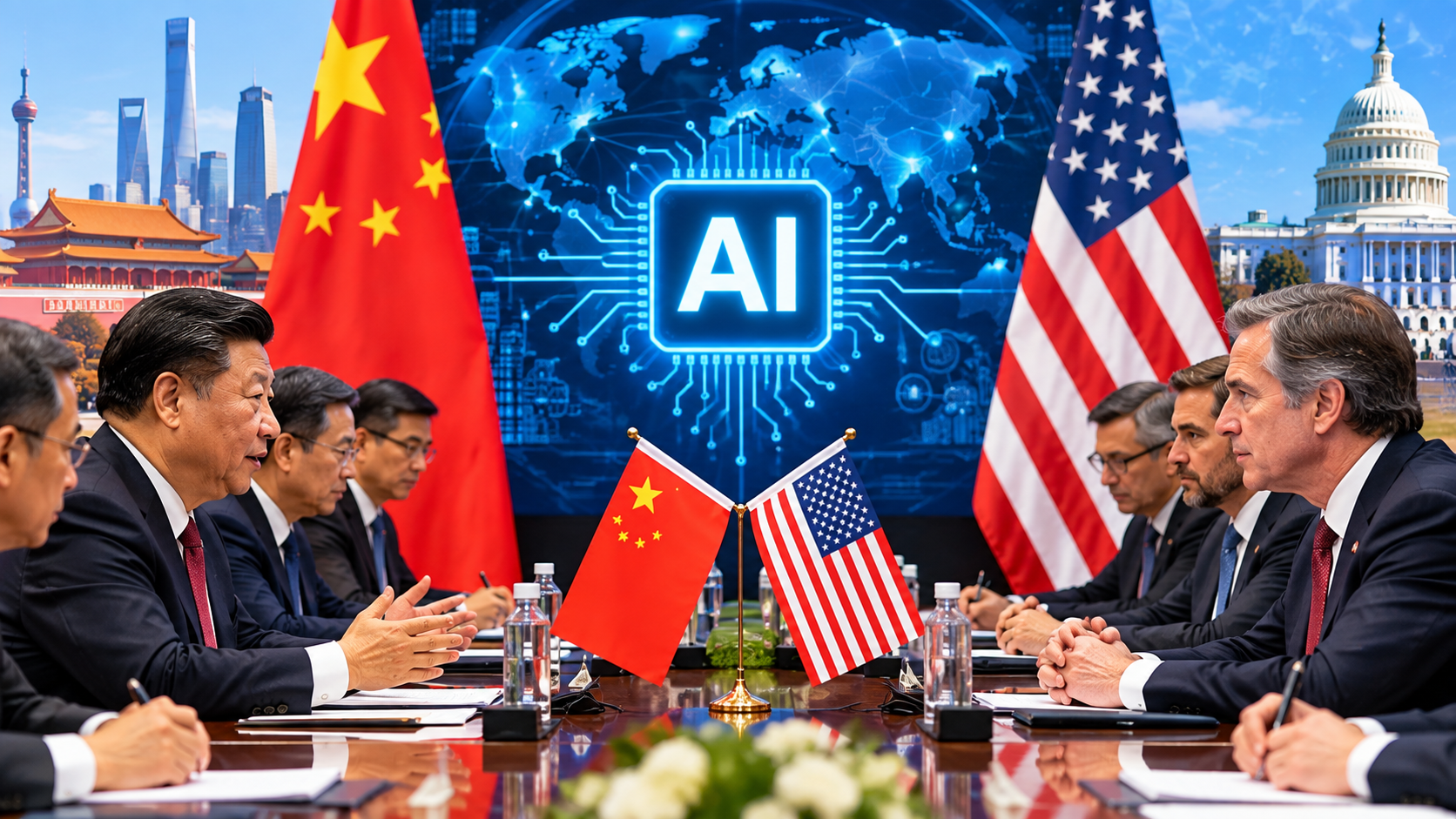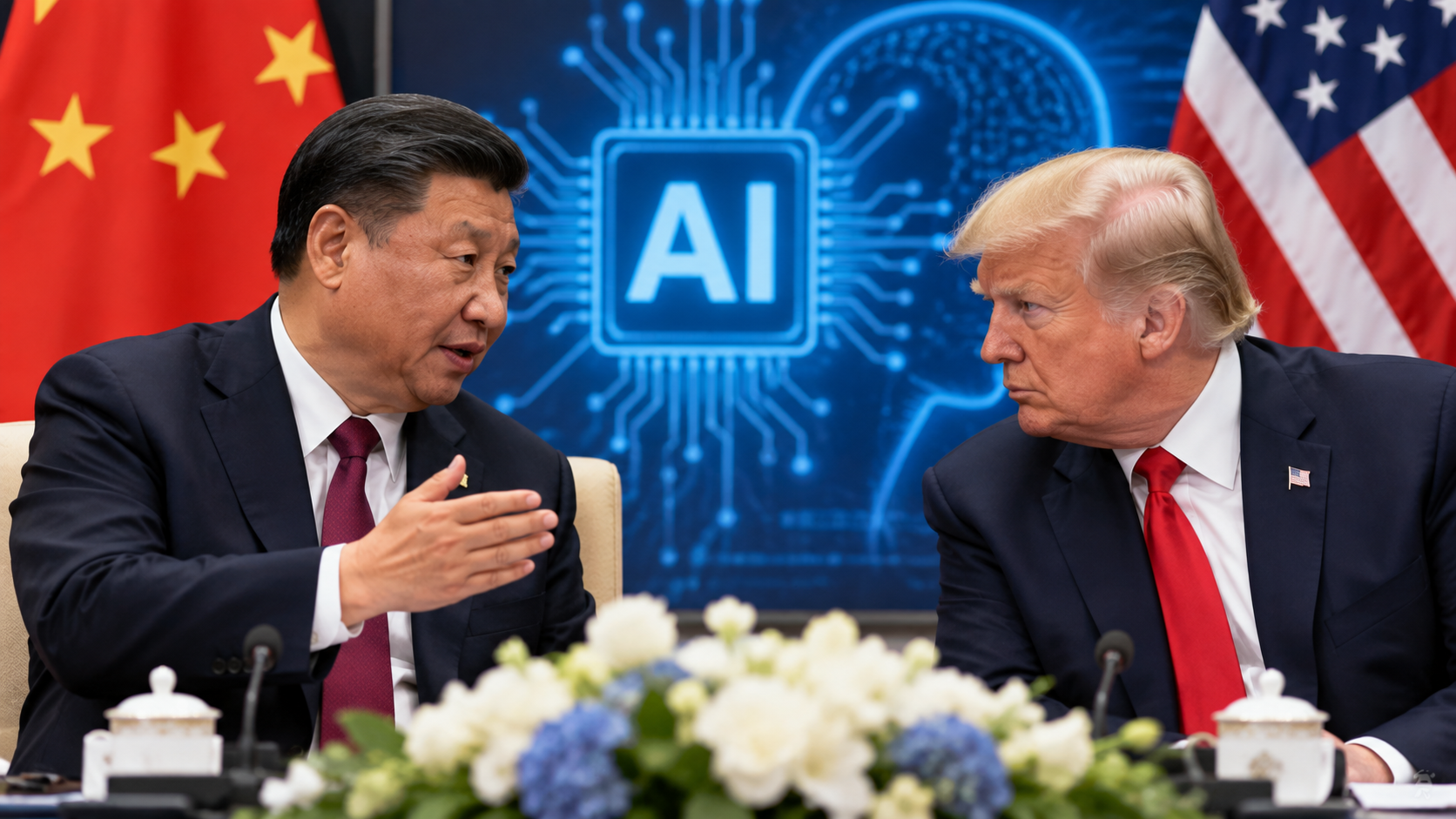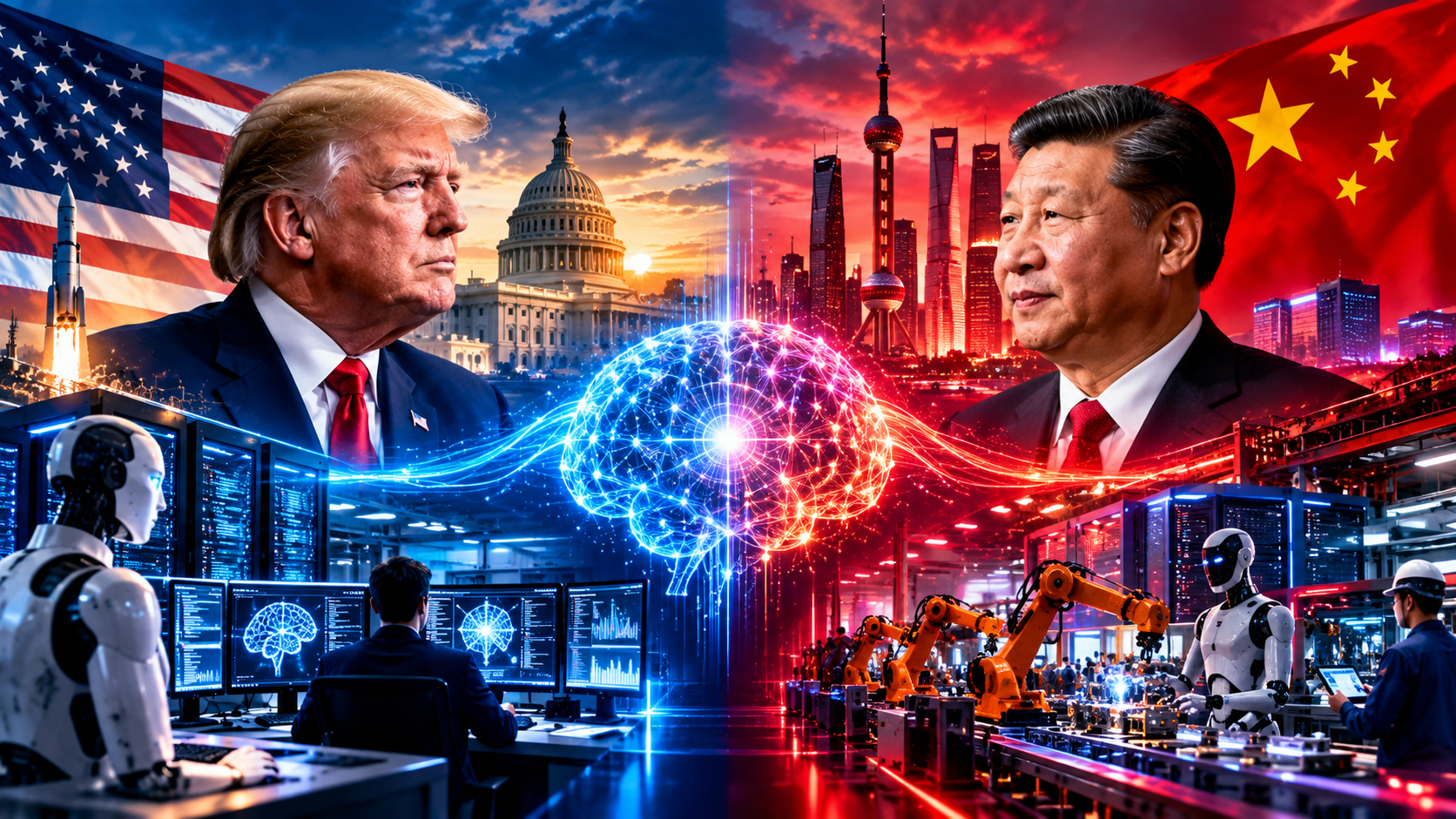
US President Donald Trump has directed federal agencies to replace “artificial intelligence”, or AI, with “Super Intelligence”, or SI, in official communications, websites and policy documents. The White House said the change better reflects the technology's rapidly advancing capabilities and “limitless opportunities”.
Trump has argued that the word “artificial” makes one of the world's most consequential technologies sound “fake”. The proposed term instead highlights intelligence that extends beyond human capability.
The change draws attention to a contrasting Chinese expression. China's established term, rengong zhineng, places human making at the heart of the technology's name. It is commonly translated as “human-made intelligence”.
Why the Chinese term centres human work
The Chinese expression was adopted from the Japanese jinkō chinō, which uses the same characters, according to Shuang Frost, an assistant professor at Aarhus University who researches Chinese AI translation.
Rengong combines ren, meaning human, with gong, referring to work or labour. Zhineng refers to intelligence. Frost told the South China Morning the wording presents intelligent systems as products of human work rather than something opposed to nature or humanity.
That meaning became especially significant when AI developed as an academic field in China around 1980. Frost said early Chinese theorists viewed the technology through a Marxist lens. They treated it as a tool for extending and transforming human potential, rather than as a competing “alien intelligence”.
The history does not mean every Chinese speaker consciously considers those ideas when using the term. Frost said, however, that the human element is harder to remove from rengong zhineng than from “artificial intelligence”.
The expression has also inspired a joke in China about some AI products containing more rengong than zhineng. The phrase points to the human labour involved in data labelling and other behind-the-scenes work that helps automated systems function.
Two different naming debates
The United States and China are not simply choosing competing labels for the same reason. Trump's proposal seeks to replace a name he considers too limiting as AI capabilities grow. The Chinese discussion has focused on whether the English abbreviation AI is an unsatisfying public label for a technology increasingly embedded in everyday life.
An online commentary published by People's Daily in March argued that AI needed a shorter and more memorable Chinese alternative to complement the formal term rengong zhineng. It pointed to expressions such as diannao, or “electric brain”, for computer, and shouji, or “hand machine”, for mobile phone.
Chao Hao, an associate professor in the department of Chinese Studies at the National University of Singapore, said the Chinese discussion involves accessibility, linguistic identity and public communication. A shorter label could make the technology easier to discuss while retaining the established formal term.
Frost cautioned against treating the two naming debates as proof of neatly divided American and Chinese world views. Chinese technological vocabulary has been shaped by influences from Japan and Western scholarship. As concepts travel between languages, their meanings can change rather than being transferred intact.
Could human-made intelligence change again?
The Chinese term may face its own challenge as AI systems become involved in training and upgrading later models. Frost identified this process as recursive self-improvement, or RSI.
If machines take a larger role in producing subsequent machine intelligence, humans could become less directly visible in the process. That raises a question about how “human-made” a system must remain to justify the term rengong zhineng.
Frost said the difficulty may not be that AI becomes too intelligent for the Chinese expression. Instead, the problem could be that its human making becomes less visible.
Chao suggested that chaoji zhineng, using the Chinese term for “super”, could eventually supplement rengong zhineng for particular capability categories and contexts. That would allow language to distinguish between the human origin of a system and the level of capability it develops.
Conclusion
The competing labels highlight different concerns: Trump's proposal focuses on AI's expanding capabilities, while rengong zhineng keeps attention on human labour and creation. Future changes in how systems are built could prompt further changes in both English and Chinese terminology.
Frequently Asked Questions
Q. What new term does Trump want US agencies to use?
Trump directed federal agencies to use “Super Intelligence”, or SI, instead of “artificial intelligence”, or AI, in official communications, websites and policy documents.
Q. What does rengong zhineng mean?
Rengong zhineng can be translated literally as “human-made intelligence”. The first part combines words associated with human beings and work or labour.
Q. When does the term “artificial intelligence” date back to?
The term dates back to 1956. American computer scientist John McCarthy coined it at a workshop at Dartmouth College.
Q. When did AI emerge as an academic field in China?
AI emerged as an academic field in China around 1980.
Q. Why has China debated changing its AI terminology?
The debate has focused on accessibility, linguistic identity and public communication. A shorter Chinese label has been proposed to complement the established term rengong zhineng.
Q. What is recursive self-improvement?
Recursive self-improvement, or RSI, describes AI systems taking a greater role in training and upgrading subsequent models.
Q. Could China use a term related to “super intelligence”?
Chao Hao suggested that chaoji zhineng could supplement rengong zhineng for specific capability categories and contexts.