Indian share markets faced another sharp sell-off on Thursday, with the Sensex falling more than 700 points by 12 PM and slipping below 71,900. The Nifty 50 also declined by over 200 points and traded below 22,400.
The fall reduced the combined market capitalisation of companies listed on the BSE by nearly ₹7 lakh crore. The decline came less than 3 hours after the market opened, intensifying concern among investors already monitoring several domestic and global pressure points.
RBI policy change adds pressure
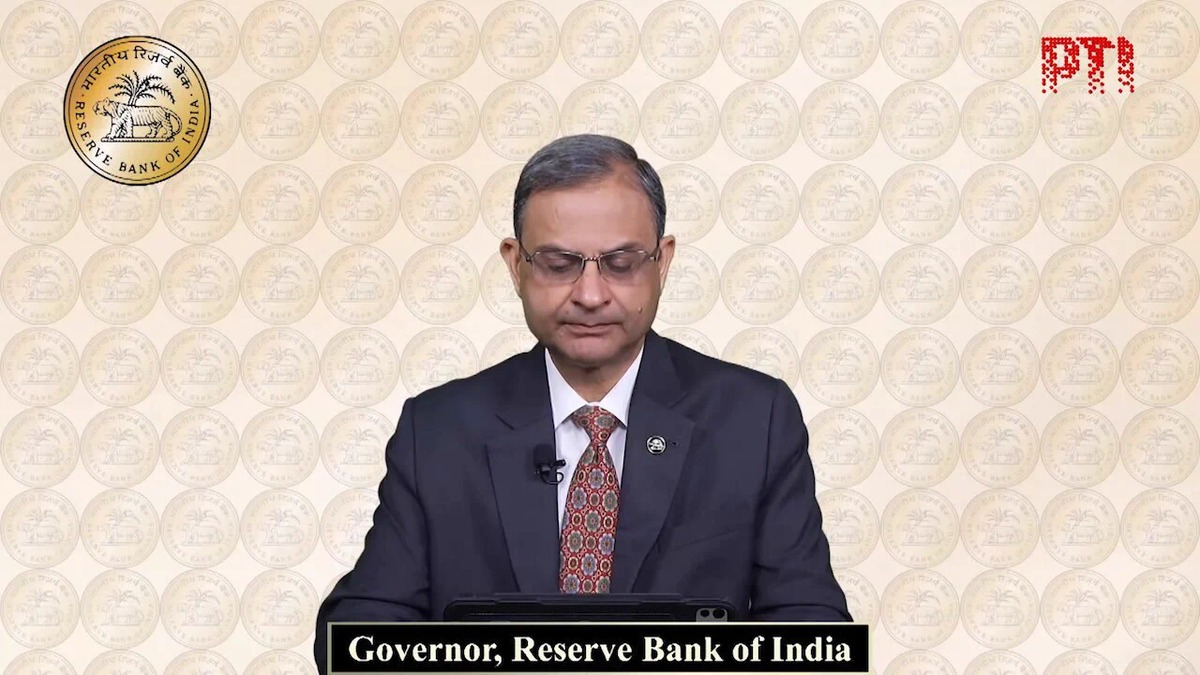
The Reserve Bank of India raised interest rates for the first time in about 4 years and shifted its policy stance from “neutral” to “calibrated tightening”. The change has increased concern that financial conditions could become less supportive for equities.
Jefferies expects interest rates to rise by about 100 basis points more during the current cycle. That expectation has added to the market's focus on borrowing costs and the possible effect of tighter policy on businesses and investors.
Bond yields make debt assets more attractive
A global bond sell-off pushed US government bond yields to multi-year highs. The yield on the US 30-year bond moved above 5.71%, while the benchmark 10-year yield rose above 5.3%. The two-year yield approached 4.9%.
Higher bond yields can make debt-market investments more attractive to investors. This can increase pressure on equities as investors reassess where to allocate capital amid changing returns across asset classes.
Brent crude rises above $102 a barrel
Brent crude moved above $102 a barrel again as tensions in the Middle East increased. Attacks on ships in the region and risks around the Strait of Hormuz have raised concerns about supply.
For an oil-importing country such as India, more expensive crude can increase inflationary pressure and raise costs for companies. The combination of higher oil prices, tighter policy and stronger bond yields has contributed to greater caution in the equity market.
Foreign investors continue selling Indian shares
Foreign institutional investors remained net sellers of Indian equities. According to NSE data, they sold more than ₹6,121 crore worth of Indian shares on Wednesday.
FII selling continued for nine consecutive sessions through Wednesday, with roughly ₹57,000 crore of Indian shares sold during that period. Since the start of September, foreign institutional investors have been net sellers in 20 of 25 sessions.
This sustained selling has added another source of pressure to the market, alongside concerns over interest rates, global yields and crude oil. The simultaneous presence of these factors has kept investor sentiment cautious.
US rate outlook remains a market concern
Expectations around the US Federal Reserve's next interest-rate decisions are also influencing market sentiment. CME FedWatch data indicated that traders saw an 18% chance of a rate increase this month.
For December, however, the probability of a rate increase was assessed at about 80%. The differing expectations for the two periods have kept attention on the direction of US monetary policy and its potential influence on global markets.
Conclusion
The market decline followed pressure from the RBI's tighter stance, elevated US bond yields, Brent crude above $102 a barrel, continued FII selling and uncertainty over future US rate decisions. Together, these developments pushed the Sensex and Nifty lower and erased nearly ₹7 lakh crore in BSE-listed market value.
Frequently Asked Questions
Q. How much did the Sensex fall by 12 PM?
The Sensex had fallen more than 700 points and moved below 71,900.
Q. Where was the Nifty 50 trading?
The Nifty 50 was down by over 200 points and trading below 22,400.
Q. How much market value was erased?
Nearly ₹7 lakh crore was wiped off the combined market capitalisation of BSE-listed companies.
Q. Why did RBI policy concern investors?
The RBI raised interest rates for the first time in about 4 years and changed its stance from “neutral” to “calibrated tightening”.
Q. What happened to Brent crude?
Brent crude rose above $102 a barrel amid Middle East tensions and supply concerns around the Strait of Hormuz.
Q. How much did foreign investors sell on Wednesday?
Foreign institutional investors sold more than ₹6,121 crore of Indian shares on Wednesday.
Q. What was the December rate-rise probability?
CME FedWatch indicated that traders assigned about an 80% probability to a rate increase in December.