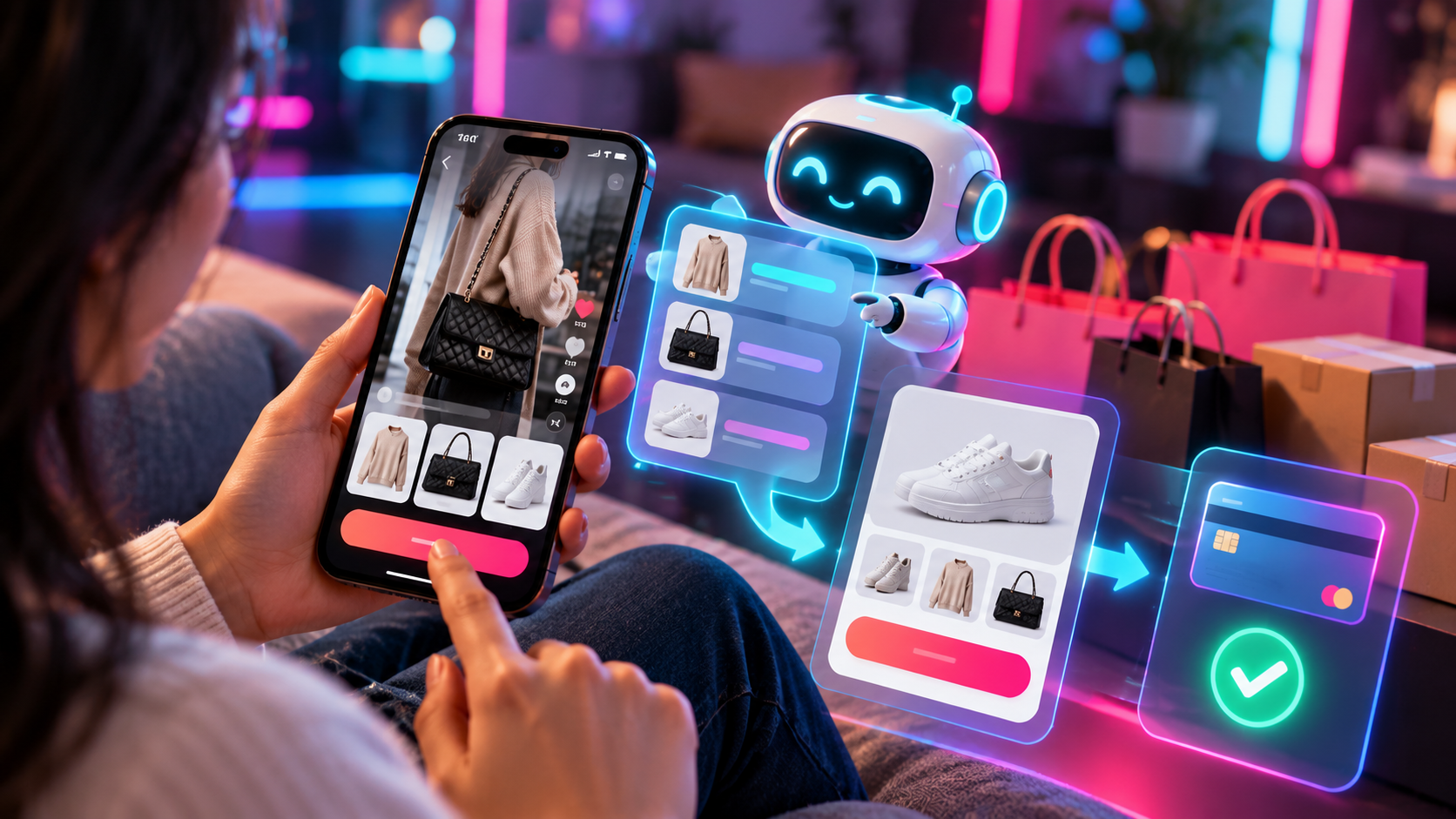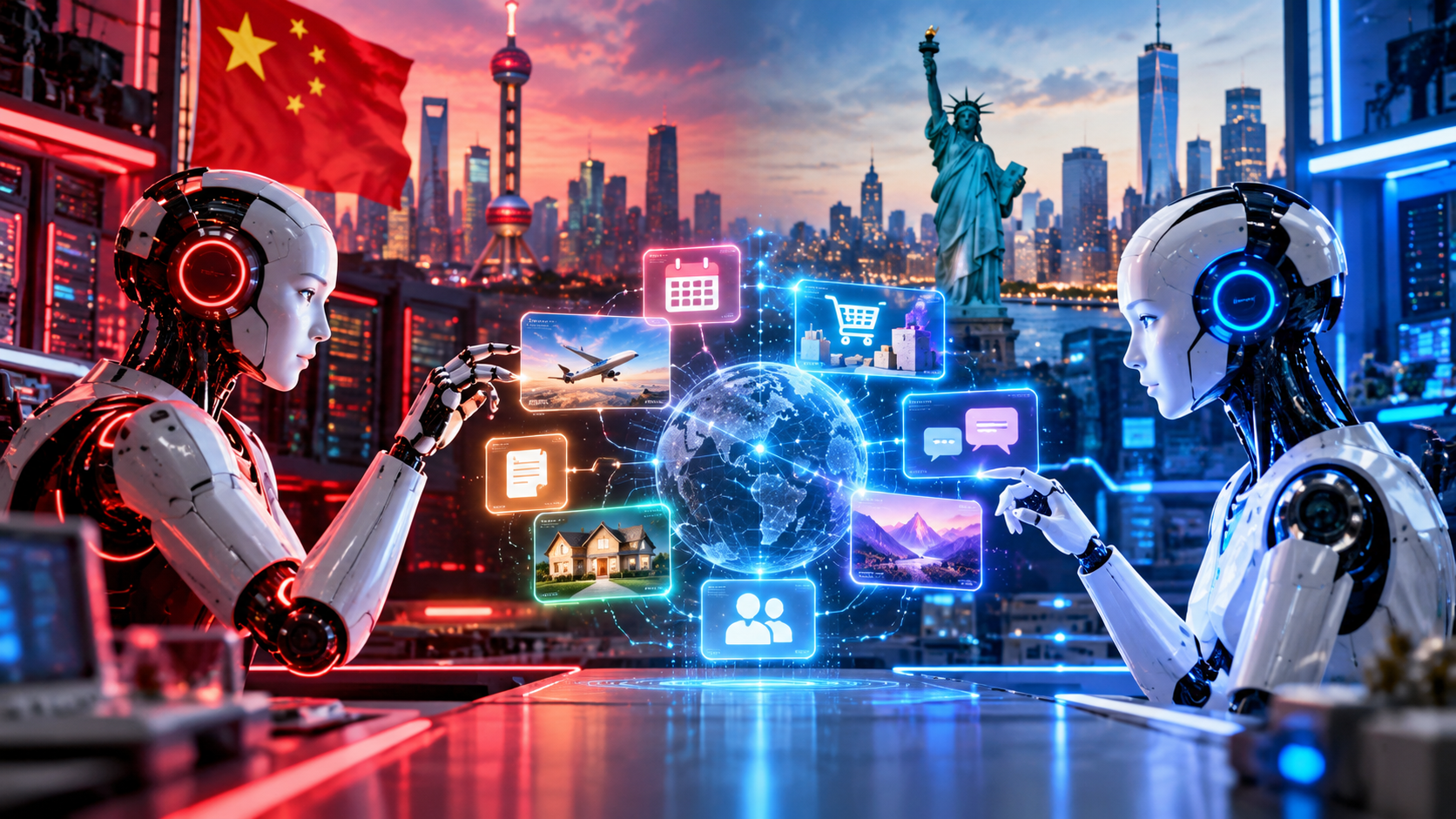
Meta Platforms' Muse has intensified competition around AI agents, shifting attention from models that answer questions to software that can complete tasks across connected services.
Muse surpassed 2.5 million downloads during its first 2 weeks and reached the top of the free-app rankings on Apple and Google's US app stores. Its early popularity has highlighted the growing market for agent harnesses, which provide AI models with persistent memory, access to tools and greater autonomy.
Meta says Muse can work across the web, email and calendars. It can help users fill out forms, make purchases and book travel while retaining information about their preferences.
Why agent harnesses matter
Unlike conventional chatbots, agent harnesses are designed to carry out multi-step activities rather than simply respond to a prompt. Analysts say this could move more value in the AI industry away from foundational models and towards the software built around them.
Bernstein analysts described the central opportunity as “context lock-in”. An agent that learns a user's habits, history and workflows may become more useful over time and more difficult to replace.
That possibility could benefit Tencent Holdings and Alibaba Group Holding. Their businesses span messaging, payments, e-commerce, workplace software and cloud computing, creating several routes through which an agent could interact with users.
Winnie Wu, head of Asia-Pacific equity strategy and co-head of China equity research at Bank of America, said Muse had renewed investor interest in integrated technology ecosystems. Her distinction was that chatbots lack a clear differentiation point, while agents are judged by whether they can get things done for users.
Tencent, Alibaba and ByteDance pursue different routes
Bernstein identified Tencent as a leading consumer-side contender. Its WorkBuddy workplace agent had gained an early engagement lead among third-party productivity harnesses in China, ahead of ByteDance's Trae and Alibaba's QoderWork.
The analysts said Tencent could move closer to the Muse model by using WeChat as the front-end for Xiaowei, its agent operating behind the scenes. Xiaowei entered beta testing in June and is designed to complete tasks through WeChat mini programs rather than only answer questions.
Access to WeChat search, mini programs and WeChat Pay could give Xiaowei a broad operating environment. Bernstein said Tencent's ecosystem processes trillions of yuan in annual transactions. Greater use of the agent could keep users within Tencent's services while producing real-world data for future AI model development, according to the analysts.
Alibaba is taking a stronger enterprise route. Bernstein said it was integrating agents across QwenWork, DingTalk, Taobao and Alibaba Cloud. Existing corporate data and workflows could help place agents inside business operations, while wider adoption could support demand for Alibaba's Qwen model and cloud services.
ByteDance may also become a significant competitor through Feishu, its workplace collaboration platform. Bernstein said the company's hyperscaler capacity could support expansion in enterprise agents. However, it has not shown the same ecosystem position as Tencent in social communication or Alibaba in enterprise software.
Competition extends to coding and personal agents
The contest is not limited to the largest internet companies. Bernstein said DeepSeek Harness and Z.ai's ZCode ranked eighth and eleventh among the coding tools it tracked on OpenRouter by thirty-day token usage. Anthropic's Claude Code remained well ahead of them.
Manus, a Chinese-founded agent start-up that briefly became part of Meta before returning to independent operations, is also developing personal-agent products. It recently introduced Manus 2.0, along with the Cascade agent harness and Cue, a dedicated personal-agent application.
Together, these developments suggest that competition may increasingly focus on how well agents understand and serve individual users, rather than only on model performance.
Barriers in the Chinese market
Wu cautioned that reproducing Muse in China may be difficult because the country's mobile internet is divided among guarded ecosystems. An agent linked to one platform might not easily access services controlled by another, particularly when tasks involve WeChat or Alipay.
Payment behaviour is another uncertainty. Wu said Chinese users have historically been less willing than users in the United States to pay recurring software subscriptions. That could complicate the business model for personal agents.
Running these systems may also be expensive. Wu said agents such as Muse can require substantially more computing power than conventional chatbots, creating an additional constraint for China.
Conclusion
Muse has made agent harnesses a prominent technology battleground. Chinese companies have extensive consumer, enterprise and cloud ecosystems to build on, but access between platforms, subscription behaviour and computing requirements remain significant challenges.
Frequently Asked Questions
Q. What is an agent harness?
An agent harness gives an AI model persistent memory, tool access and autonomy to complete more complex tasks.
Q. How did Muse perform after launch?
Muse surpassed 2.5 million downloads in its first 2 weeks and topped the free-app rankings on Apple and Google's US app stores.
Q. What can Meta's Muse do?
Meta says Muse can work across the web and connected services, including email and calendars. It can fill out forms, make purchases and book travel while remembering user preferences.
Q. Which Tencent products are central to its agent strategy?
Tencent's strategy includes WorkBuddy and Xiaowei. Xiaowei is designed to execute tasks through WeChat mini programs and entered beta testing in June.
Q. What is Alibaba's approach?
Alibaba is pursuing an enterprise-focused strategy across QwenWork, DingTalk, Taobao and Alibaba Cloud.
Q. Which Chinese company is developing a personal-agent app?
Manus, a Chinese-founded start-up, introduced Manus 2.0, the Cascade agent harness and Cue, a dedicated personal-agent app.
Q. What challenges could limit Chinese personal agents?
The reported challenges include guarded mobile ecosystems, lower willingness to pay recurring software subscriptions and the computing power required to operate advanced agents.