The Petroleum Ministry has directed all states and Union territories to accelerate the shift from LPG cylinders to piped natural gas, or PNG, in areas where pipeline networks are already available. Customers who continue using LPG after receiving notice to take a PNG connection may have their LPG connection cancelled.
The reported instructions also state that consumers will not be permitted to keep both PNG and LPG connections in the same area. Those affected would have to surrender their LPG cylinder connection after the PNG network reaches their society or locality.
Notice before cancellation
Petroleum Secretary Neeraj Mittal said in a letter sent to the states that the rules for shifting users from LPG to PNG have been tightened. Customers in societies and areas connected to the PNG network will receive notice before action is taken.
If a customer does not obtain a PNG connection within the specified time after receiving the notice, the LPG cylinder connection will be cancelled automatically, according to the instructions described in the material. This means households in covered areas could lose access to their existing LPG connection if they do not complete the shift.
The directions were issued under the reported 'LPG Control Order 2026' and 'Natural Gas Distribution Order 2026'. The stated objective is to make the gas supply system more digital and secure while reducing dependence on LPG supply.
Middle East disruption cited
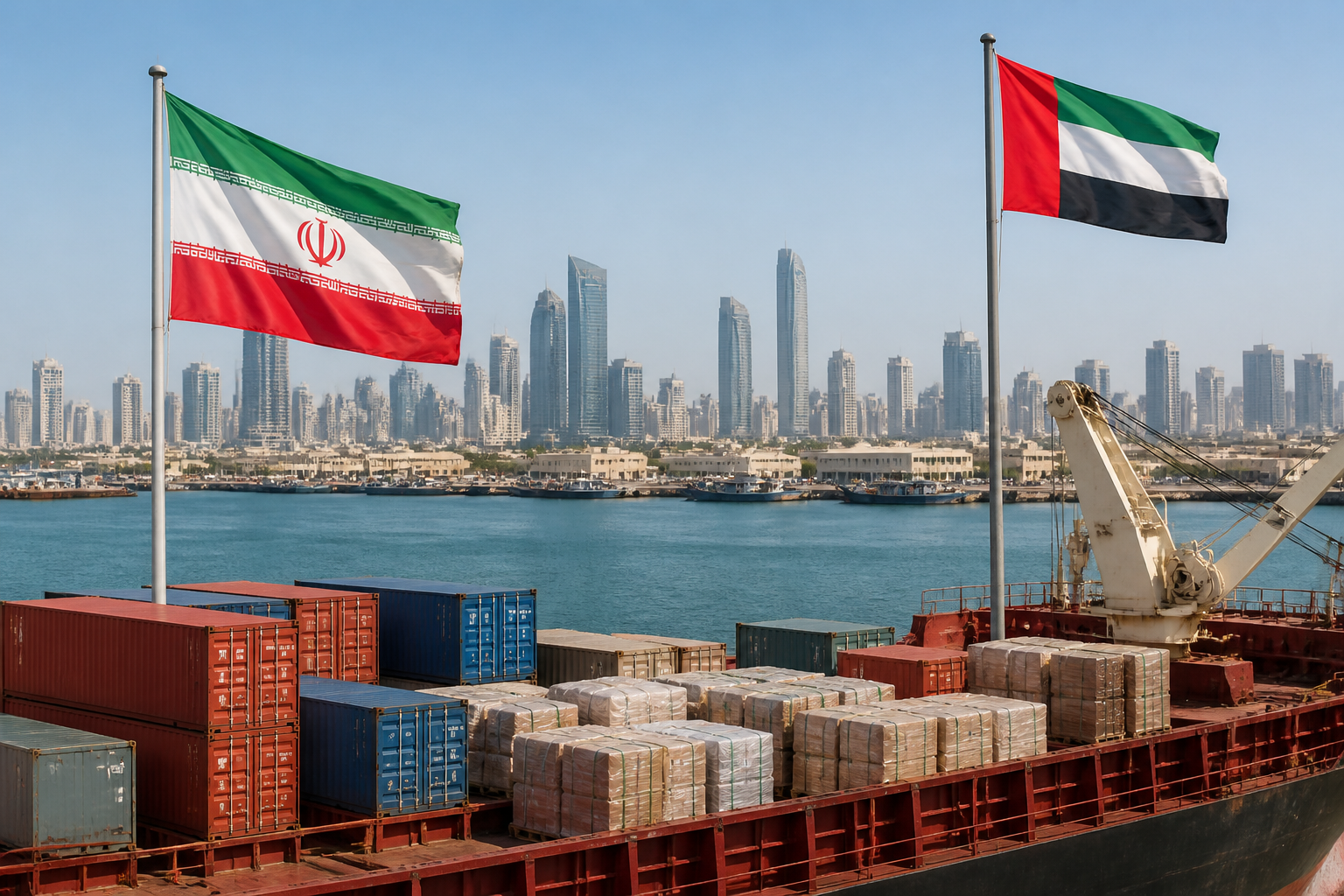
The move is also linked in the material to continuing uncertainty surrounding the conflict between the United States and Iran. Both countries are described as asserting claims over Hormuz, affecting ships carrying oil and gas from the Middle East towards Asia through the waterway.
Although India is continuing oil and gas supplies with several countries, the cost of supply has increased. The material says the government is therefore prioritising PNG as it seeks to reduce dependence on LPG and expand the use of pipeline gas.
District coordination committees planned
To speed up the PNG connection process, oil distribution companies and city gas distribution organisations have been directed to form PNG coordination committees in each area. States have also been asked to designate a district supply officer from the Food and Civil Supplies Department as the district nodal officer.
The directions place responsibility on state and district-level authorities, fuel distribution companies and city gas distribution organisations to coordinate the expansion of PNG connections. The reported process centres on areas where the PNG network has already reached and customers have been given notice to switch.