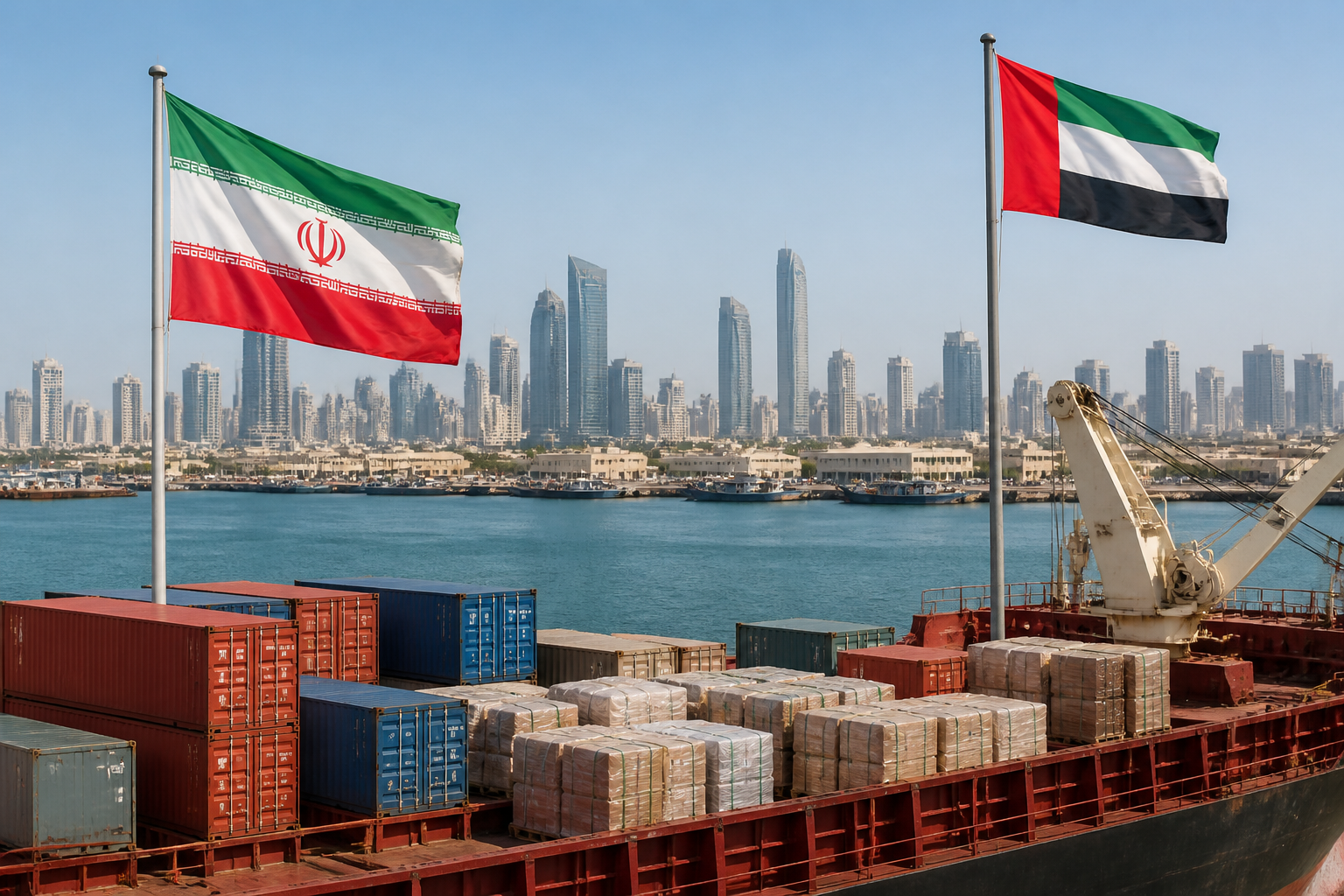
Iran has threatened to halt oil exports through the Strait of Hormuz, the Persian Gulf and other parts of the Middle East if the United States begins what Tehran describes as an economic war. The warning comes as Washington prepares possible new economic measures against Iran and countries that continue trading with it.
Mohsen Rezaei, secretary of Iran’s Supreme National Security Council, said Iran would not allow even a drop of oil to be exported from the Strait of Hormuz or the Persian Gulf if economic hostilities continued. He also warned that Tehran would treat any country supporting or participating in the US campaign against Iran as taking an act of war.
US weighs pressure on Iran’s trading partners
The United States is working on a proposal that could impose heavy tariffs on countries doing business with Iran. US Treasury Secretary Scott Bessent has discussed the planned approach, although the specific measures have not been disclosed.
In an opinion article published by the Financial Times on Sunday, Bessent described the possible steps as the largest economic attack ever directed at an adversary, according to Reuters. He had also urged China to cooperate with the United States, saying that half of China’s oil imports come from the Gulf region.
Iran is waiting to see the form and scope of the measures being prepared by Washington. Its warning has been aimed especially at countries that may join US sanctions, support them or become involved in an operation against Tehran.
Why the Strait of Hormuz matters to India
Any prolonged disruption around the waterway could create serious risks for India because the country imports about 45% of its crude oil requirements through the Strait of Hormuz. India also receives substantial volumes of oil and LPG from Gulf producers including Saudi Arabia, Iraq, the United Arab Emirates and Kuwait through this route.
The article notes that Iran has indicated that friendly countries such as India could continue using the passage. However, a complete restriction or heightened military tension in the area could make shipping extremely difficult or dangerous, potentially bringing vessel movement close to a halt.
The possible effect on global oil markets would depend on how long shipping remained disrupted and how severe the confrontation became. The material cited in the report puts a possible crude oil price range of 120 to 150 dollars per barrel if attacks resume around the Strait of Hormuz or the Persian Gulf and shipping is interrupted.
Potential impact on fuel and LPG prices
Higher crude prices could push petrol, diesel and cooking gas prices in India to record levels, according to the report. India imports more than 85% of the oil it needs, leaving domestic energy costs exposed to major changes in international crude prices.
The report also warns that a sharp rise in oil costs could rapidly reduce India’s foreign-exchange reserves. The potential impact would extend beyond transport fuel, since disruption to crude and LPG supplies from the Gulf could affect household energy use as well as the wider economy.
The article refers to the conflict having started on 28 February and says the possible consequences of a closure or disruption at Hormuz have already been seen. Any further escalation would therefore place pressure on the route that links major Gulf energy exporters with international buyers, including India.