The Czech Republic, Slovakia, Hungary and Poland have backed India’s campaign for a permanent seat on the United Nations Security Council (UNSC). The 4 countries form the Visegrad 4 group, also known as V4, and their position adds European support to India’s long-running demand for a larger and more representative council.
Slovakia’s Foreign Minister Juraj Blanár said all Visegrad 4 members support India, describing it as a superpower in the Indo-Pacific region and saying it should receive permanent UNSC membership. The statement was welcomed by India’s External Affairs Minister S. Jaishankar.
Why the support matters
India has been seeking a permanent UNSC seat since 1994. Its bid includes a demand for veto power, a privilege currently held by the United States, Russia, China, France and the United Kingdom.
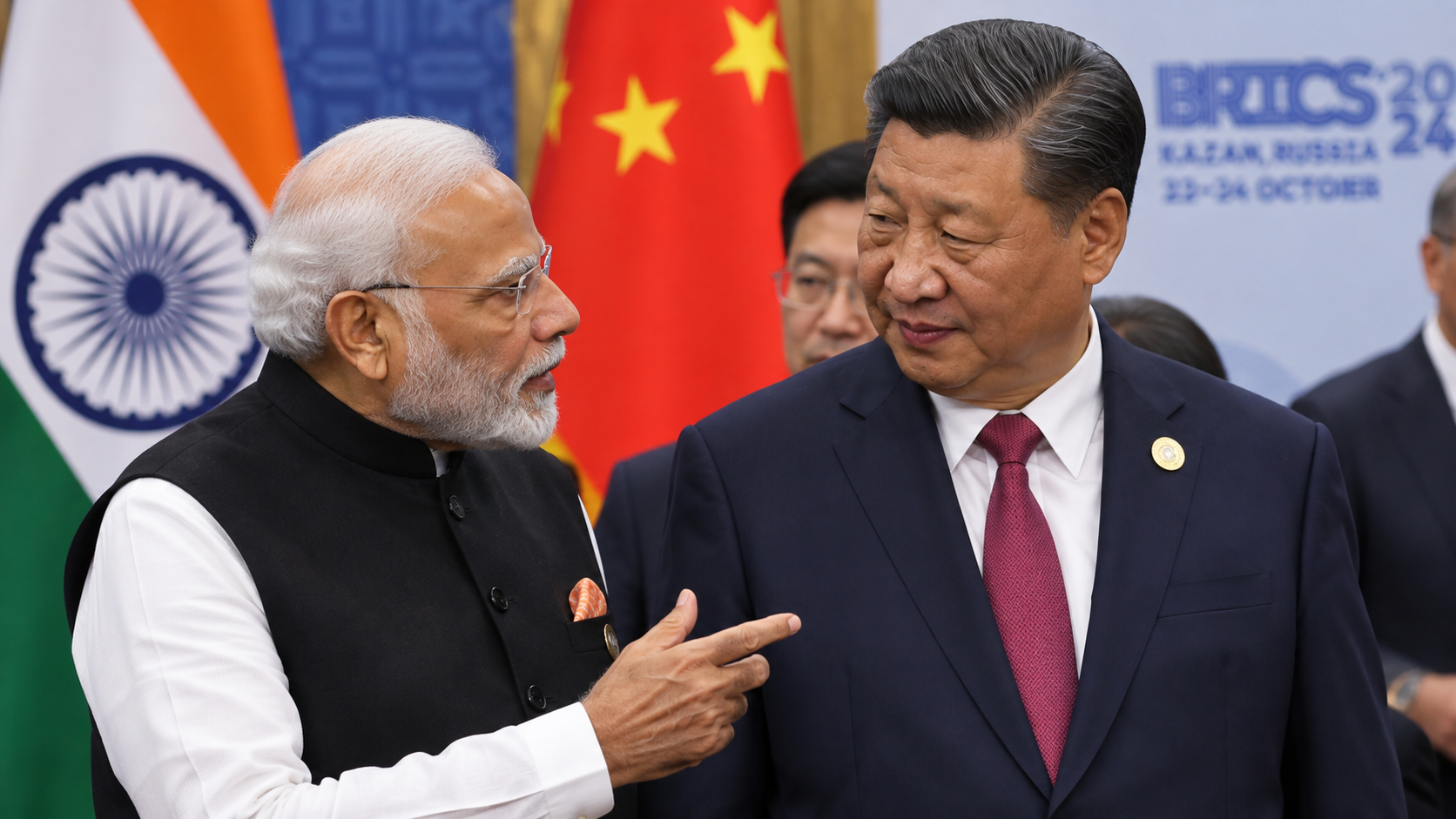
The article says China’s opposition has been a barrier to India’s permanent membership. India has also argued that the council needs expansion because its current structure does not reflect changes in the global geopolitical landscape.
Jaishankar said the V4 countries have been long-standing partners of India in the defence sector. He added that both sides are considering giving their cooperation a new direction.
India’s record at the United Nations
India has served 8 times as a non-permanent member of the Security Council. The council consists of 5 permanent members and 10 non-permanent members, with the latter changing from time to time.
India presents its contribution to peacekeeping missions around the world as part of its case for permanent membership. It also positions itself as a voice for the Global South.
How the membership structure changed
India first demanded a permanent Security Council seat during the 49th session of the UN General Assembly in 1994. In 2000, former Prime Minister Atal Bihari Vajpayee renewed the claim at a UN summit in New York.
The United Nations was established in 1945, but the Security Council has expanded only once since then. A 1965 amendment to the UN Charter increased the council’s total membership from 11 to 15 by adding 4 non-permanent seats. The 5 permanent seats were not changed.
India says the world has changed substantially since that arrangement was created. Its argument is that the council’s composition should reflect those geopolitical shifts rather than continue with what it considers an outdated structure.
Conclusion
Support from the Visegrad 4 countries strengthens the public backing for India’s permanent UNSC membership bid. India’s campaign remains focused on council reform, its peacekeeping record and representation for the Global South, while China’s opposition remains identified as an obstacle.
Frequently Asked Questions
Q. Which countries support India’s permanent UNSC membership bid?
The Czech Republic, Slovakia, Hungary and Poland support India’s bid through the Visegrad 4 group.
Q. Who spoke for the Visegrad 4 countries?
Slovakia’s Foreign Minister Juraj Blanár said all Visegrad 4 members support India.
Q. Which countries currently have veto power at the UNSC?
The United States, Russia, China, France and the United Kingdom have veto power.
Q. How many times has India been a non-permanent UNSC member?
India has served as a non-permanent member 8 times.
Q. When did India first seek a permanent UNSC seat?
India first made the demand in 1994 during the 49th session of the UN General Assembly.
Q. How many members are on the Security Council?
The council has 5 permanent members and 10 non-permanent members.
Q. Why does India seek UNSC reform?
India says geopolitical realities have changed and the council’s structure should better reflect the current global landscape.