Ukraine has launched an Army of Robots initiative designed to move some of the battlefield's most dangerous duties from soldiers to machines. Former Ukrainian official Mykhailo Fedorov unveiled the programme at the IT Arena 2026 conference in Lviv, presenting it as the next step after the country's Army of Drones.
The initiative focuses on robotisation of warfare and aims to help protect Ukrainian troops while supporting military operations. According to Fedorov, drones now account for over 95% of battlefield strikes, and Ukraine has more than 700 UAV manufacturers. The new programme seeks to apply that technology-driven approach to ground and other high-risk missions.
What the robot army is intended to do
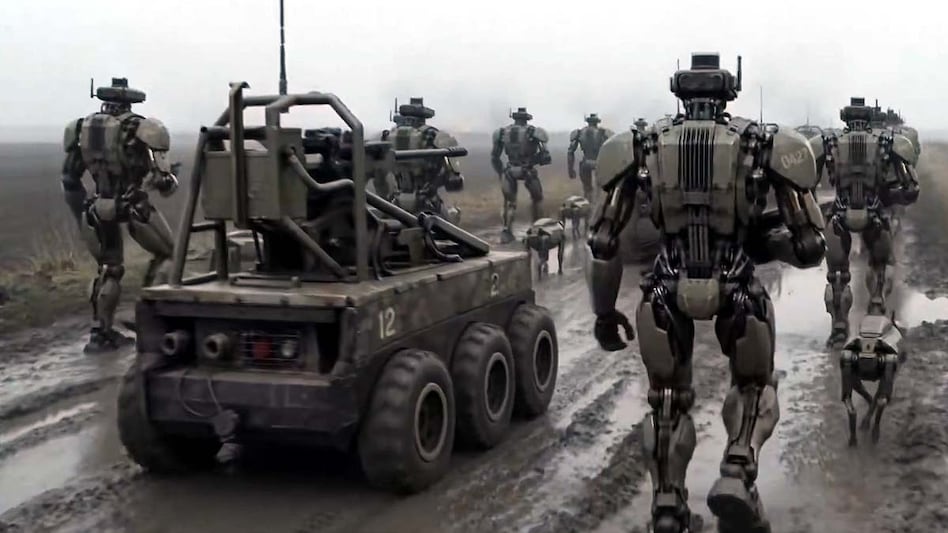
The proposed systems could be used for tasks that expose soldiers to direct danger, including:
- Evacuating wounded personnel
- Delivering ammunition
- Laying mines
- Conducting reconnaissance
- Attacking targets
Using machines for these duties could reduce the need for soldiers to enter exposed areas. A robotic vehicle, for example, could transport ammunition instead of a crewed convoy, while a robotic system could be sent to assist an injured soldier in a dangerous location.
The programme is being led by Fedorov from outside the Ukrainian government. A website has been opened to recruit defence technology companies, engineers and a technical lead. The planned ecosystem is intended to cover private innovation, research, development, testing and rapid expansion.
Private sector at the centre
Fedorov's approach seeks to bring companies and technical specialists directly into the development effort. Ukraine's wartime experience with smaller drone start-ups is being used as a model for expanding work in robotics.
The recruitment drive is open to talented people from Ukraine and other countries. A technical lead would be responsible for giving direction to the wider programme, while private-sector participation is expected to support faster development and deployment of new systems.
The programme also reflects an effort to connect defence needs with technology and engineering. By unveiling it at an event focused on technology, Ukraine is positioning robotics as part of its broader military response.
Reliability remains a challenge
Robots could work for long periods without the fatigue or fear that affect people, but their use in war would still require continuous testing and improvement. Machines would need to operate reliably in difficult battlefield conditions, maintain secure communications and withstand enemy countermeasures.
The initiative's stated priority is to save soldiers' lives while making high-risk work more machine-led. Its development will depend on how quickly the proposed network of companies, engineers and researchers can produce systems suitable for battlefield use.
Conclusion
Ukraine's Army of Robots programme aims to extend the country's drone-led military technology effort into dangerous ground and battlefield missions. Its central test will be whether private innovation can produce reliable systems that reduce soldiers' exposure to risk.
Frequently Asked Questions
Q. What is Ukraine's Army of Robots?
It is a Ukrainian programme focused on using robots for dangerous battlefield tasks and protecting soldiers.
Q. Who launched the Army of Robots initiative?
Former Ukrainian official Mykhailo Fedorov unveiled the programme at the IT Arena 2026 conference in Lviv.
Q. Which tasks could the robots perform?
The listed tasks include casualty evacuation, ammunition delivery, mine-laying, reconnaissance and attacks on targets.
Q. How does the programme build on Ukraine's drone effort?
It follows Ukraine's Army of Drones, with drones accounting for over 95% of battlefield strikes and the country having more than 700 UAV manufacturers.
Q. Who is being recruited for the programme?
Defence technology companies, engineers and a technical lead are being invited to join the effort.
Q. What are the main challenges for the robot programme?
The systems will need to be reliable in difficult battlefield conditions, maintain secure communications and withstand enemy responses.