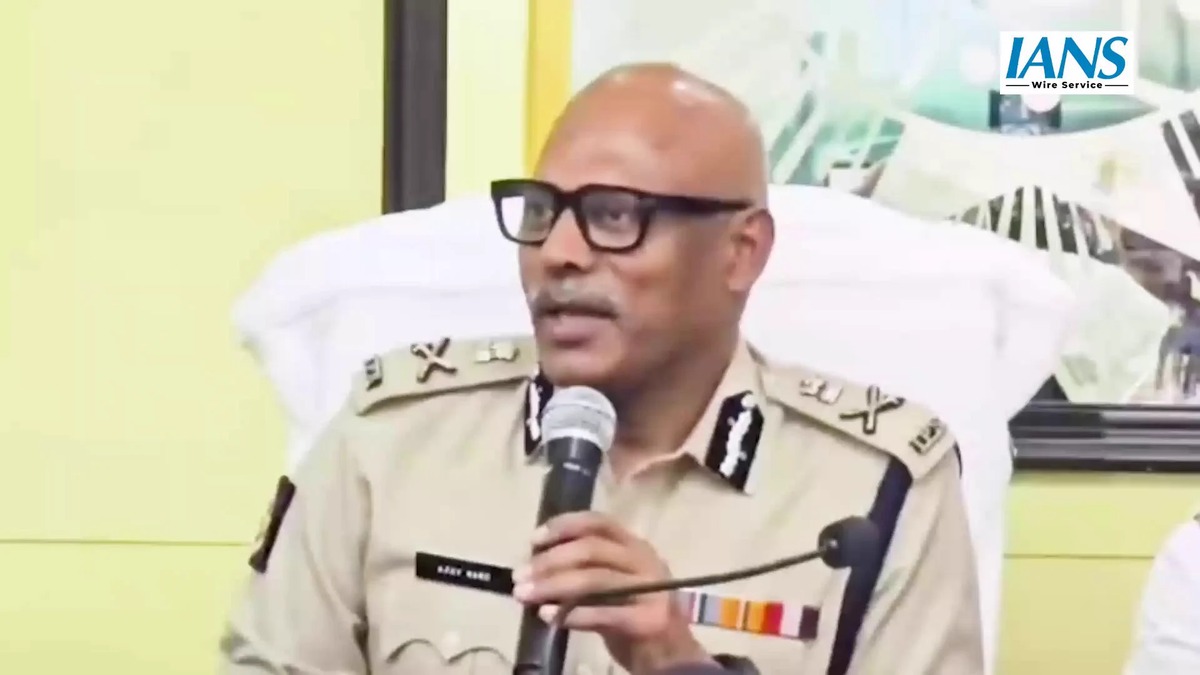
Kolkata Police Commissioner Ajay Nand has explained that torchlight processions in Kolkata require an application and official assessment before permission can be granted. The review is intended to determine whether the proposed event can proceed alongside other planned activities and local requirements.
Organisers are expected to provide details about the procession, including its timing, route and anticipated number of participants. Police will examine the proposed movement from its starting point to its destination before deciding how the event can be managed.
Why applications are required
Nand said authorities must establish who is organising a procession and when it is planned. The police also need to check whether another group has already proposed an event at the same time or whether local circumstances could affect the arrangement.
This process allows officials to discuss the proposal with organisers and identify the practical requirements for maintaining public order. It also gives police an opportunity to assess the proposed route and the size of the gathering.
Traffic management is a central part of that assessment. A procession can affect movement on city roads, requiring police to consider how traffic will be handled while the event takes place.
Nand said people organising such events should consider these issues before making plans. He urged them to consult the relevant authorities, including law-enforcement agencies responsible for maintaining law and order.
s are not enough
The commissioner also addressed announcements or calls appearing on social media. He said police cannot organise law-and-order arrangements by acting only on s.
That means an online message does not replace the formal process for submitting details and discussing an event with the authorities. Without the required compliance, permission may not be granted because the proposed arrangements may not be feasible.
The approval process is therefore linked to both public safety and the rights of other citizens. Nand said organisers must remember that people exercising their rights are not the only members of the public affected by a procession.
Other citizens also have rights, including the ability to move through the city while public events are taking place. Police consideration of timing, route, participation and traffic is intended to account for those competing requirements.
What organisers need to keep in mind
Organisers should be prepared to discuss:
- The identity of the group conducting the procession
- The proposed schedule
- The expected number of participants
- The route between the starting point and destination
- The traffic arrangements required during the event
These details help police determine whether a procession can be managed under the circumstances. Nand said failure to follow the process can create lawlessness and disorder.
The commissioner's remarks place responsibility on organisers to contact the appropriate authorities before proceeding. They also make clear that permission depends on an assessment of the event and its wider effect on the city.
Conclusion
Kolkata police says torchlight processions must go through an application and consultation process covering timing, route, participation, traffic and law-and-order needs. Social media announcements alone are not sufficient for permission or police planning.
Frequently Asked Questions
Q. Do torchlight processions require permission in Kolkata?
Yes. Organisers must submit an application for assessment before a procession can receive permission.
Q. What information do police need to examine?
Police need to assess the organiser, timing, expected participation and route from the starting point to the destination.
Q. Why is the route reviewed?
The route is reviewed because a procession can create traffic-management challenges and affect other citizens.
Q. Can police rely only on s?
No. The commissioner said s alone cannot provide the basis for law-and-order management.
Q. What happens if organisers do not comply?
Permission may not be granted when the required compliance is absent or the arrangements are not feasible.
Q. Who should organisers consult?
They should consult the relevant authorities and law-enforcement agencies responsible for maintaining law and order.