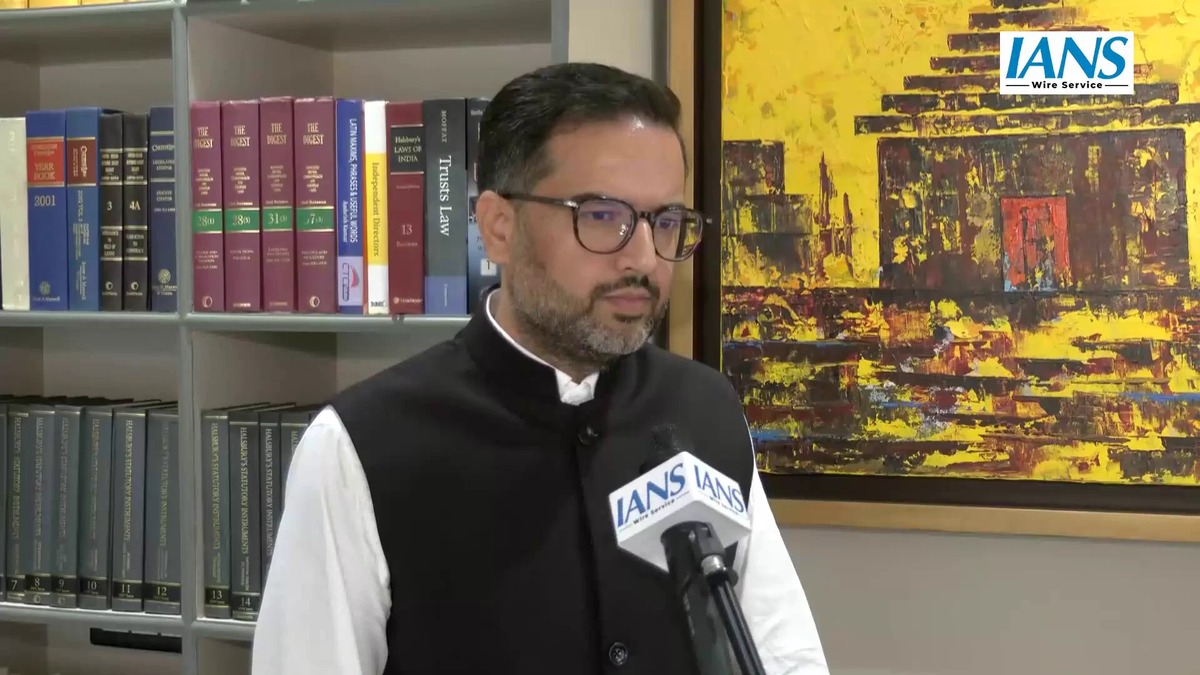
Prateek Som, a 2024 Harvard Kennedy School alumnus, has described an open letter by Harvard alumni as a collective statement by individuals rather than an institutional position of Harvard. The letter expresses deep concern over attacks on India's constitutional institutions, including the Election Commission and the Supreme Court.
Som said the statement calls for primary allegiance to the Constitution of India and the national interest. He identified the Supreme Court, the Office of the Chief Justice of India, the Election Commission and Parliament as institutions central to the country's democratic foundation.
What Som said about the letter
According to Som, the alumni statement is focused on the role of constitutional institutions and the importance of protecting their authority. His comments distinguish the position of participating individuals from any formal statement issued by the institution associated with them.
The issue has drawn attention because the letter addresses institutions responsible for key constitutional and democratic functions. Som said these bodies form the foundation of India's democracy, placing the debate within the broader question of how disagreement with public authorities should be expressed.
Som also acknowledged that the right to protest is fundamental. He said political differences and protests against the establishment or the government are understandable, but argued that such rights do not permit attempts to undermine or intimidate constitutional authorities.
Protest rights and the rule of law
The response sets out a distinction between legitimate dissent and conduct that, in Som's view, could weaken respect for constitutional bodies. He said protest cannot become a licence to disregard the rule of law.
His remarks therefore link two principles: the protection of peaceful political disagreement and the preservation of institutional credibility. The statement, as described by Som, does not reject protest itself. Instead, it calls for constitutional authorities to remain protected from intimidation while democratic criticism continues.
The institutions named in the discussion include the Supreme Court, the Office of the Chief Justice of India, the Election Commission and Parliament. Som said their place in India's constitutional structure makes respect for them a matter connected to the country's democratic foundation.
What the statement represents
Som's clarification is also about representation. He said the letter reflects the views of individuals who belong to or are associated with Harvard, rather than an official institutional declaration by Harvard.
That distinction means the comments should be understood as an alumni-led collective position. The central appeal, according to Som, is for primary loyalty to India's Constitution and national interest.
The debate described in the statement combines concern over attacks on constitutional institutions with recognition of the right to protest. Som's position is that both principles can coexist when political opposition respects constitutional authorities and the rule of law.
Conclusion
Som says the alumni letter is an individual collective statement, not a Harvard institutional position, and calls for constitutional allegiance, lawful dissent and protection of India's democratic institutions.
Frequently Asked Questions
Q. Who is Prateek Som?
Prateek Som is a 2024 Harvard Kennedy School alumnus.
Q. What does the open letter address?
It expresses deep concern over attacks on India's constitutional institutions, including the Election Commission and the Supreme Court.
Q. Is the letter an official Harvard statement?
Som says it is a collective statement by individuals belonging to an institution, not an institutional statement.
Q. Which institutions did Som identify?
He identified the Supreme Court, the Office of the Chief Justice of India, the Election Commission and Parliament.
Q. What is Som's position on protests?
He says the right to protest is fundamental, but protest cannot justify undermining or intimidating constitutional authorities or disregarding the rule of law.