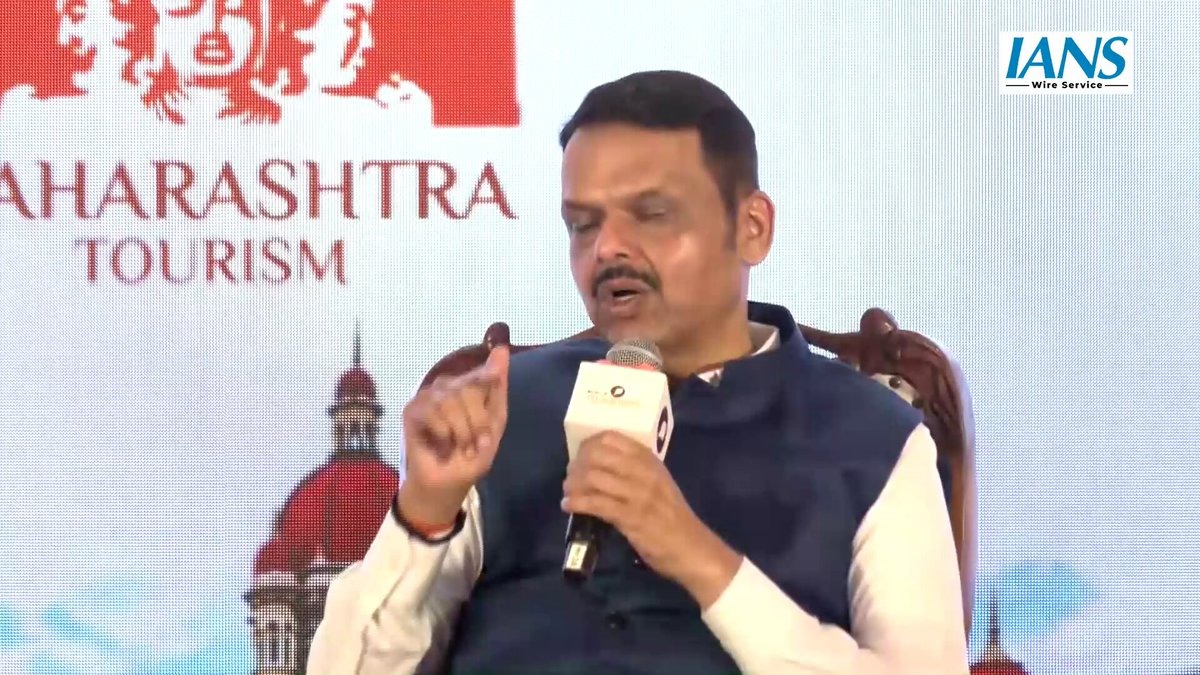
Maharashtra Chief Minister Devendra Fadnavis said the state has never defaulted and has kept its finances under control by borrowing below the limit set by the Reserve Bank of India (RBI).
Fadnavis said the RBI determines Maharashtra's annual borrowing ceiling according to GDP growth. Citing an example, he said the permitted amount can be ₹1,40,000 crore, while the state chooses to borrow ₹1,00,000 crore rather than use the full limit.
How the borrowing approach works
According to the chief minister, the RBI's limit represents the maximum amount Maharashtra can borrow in a year. The state's practice, as described by Fadnavis, is to remain below that ceiling.
He linked the difference between the approved limit and the amount borrowed to Maharashtra's fiscal health. His statement presented the state as a borrower that has avoided default while maintaining control over its finances.
The figures cited by Fadnavis show a ₹40,000 crore gap between the borrowing limit and the amount Maharashtra takes. This is the difference between ₹1,40,000 crore and ₹1,00,000 crore.
Why the statement matters
The comments highlight 2 points: Maharashtra's borrowing capacity is linked to GDP growth, and the state does not necessarily use the entire amount allowed by the RBI. Fadnavis said this restraint has helped keep the state's fiscal health under control.
The chief minister did not provide further details in the statement about the broader composition of Maharashtra's finances or the specific year covered by the example. The central claim was that the state has consistently borrowed below its permitted ceiling and has never defaulted.
Conclusion
Fadnavis's statement portrays Maharashtra's borrowing policy as conservative: the state has an RBI-set ceiling, borrows less than that amount and, according to him, has maintained control over its fiscal health without defaulting.
Frequently Asked Questions
Q. What did Devendra Fadnavis say about Maharashtra's borrowing?
Fadnavis said Maharashtra does not borrow up to the full annual limit set by the RBI.
Q. What borrowing limit did Fadnavis cite?
He cited a limit of ₹1,40,000 crore in the example he gave.
Q. How much does Maharashtra borrow in that example?
Fadnavis said the state borrows ₹1,00,000 crore.
Q. How is Maharashtra's RBI borrowing limit decided?
Fadnavis said the limit is set according to GDP growth.
Q. What did Fadnavis say about Maharashtra's repayment record?
He said Maharashtra has never defaulted.
Q. What was the stated effect of borrowing below the limit?
Fadnavis linked the approach to keeping Maharashtra's fiscal health under control.