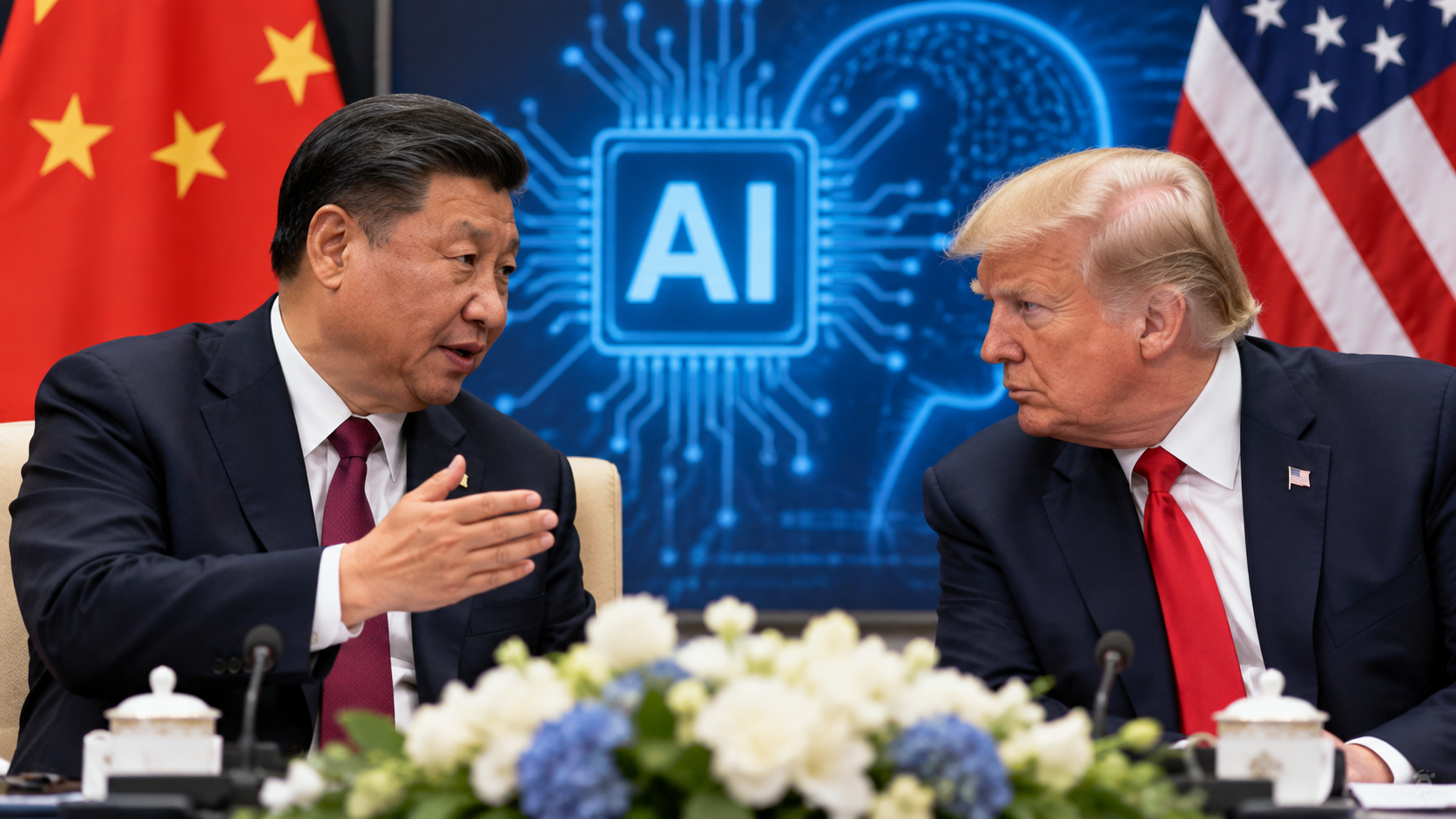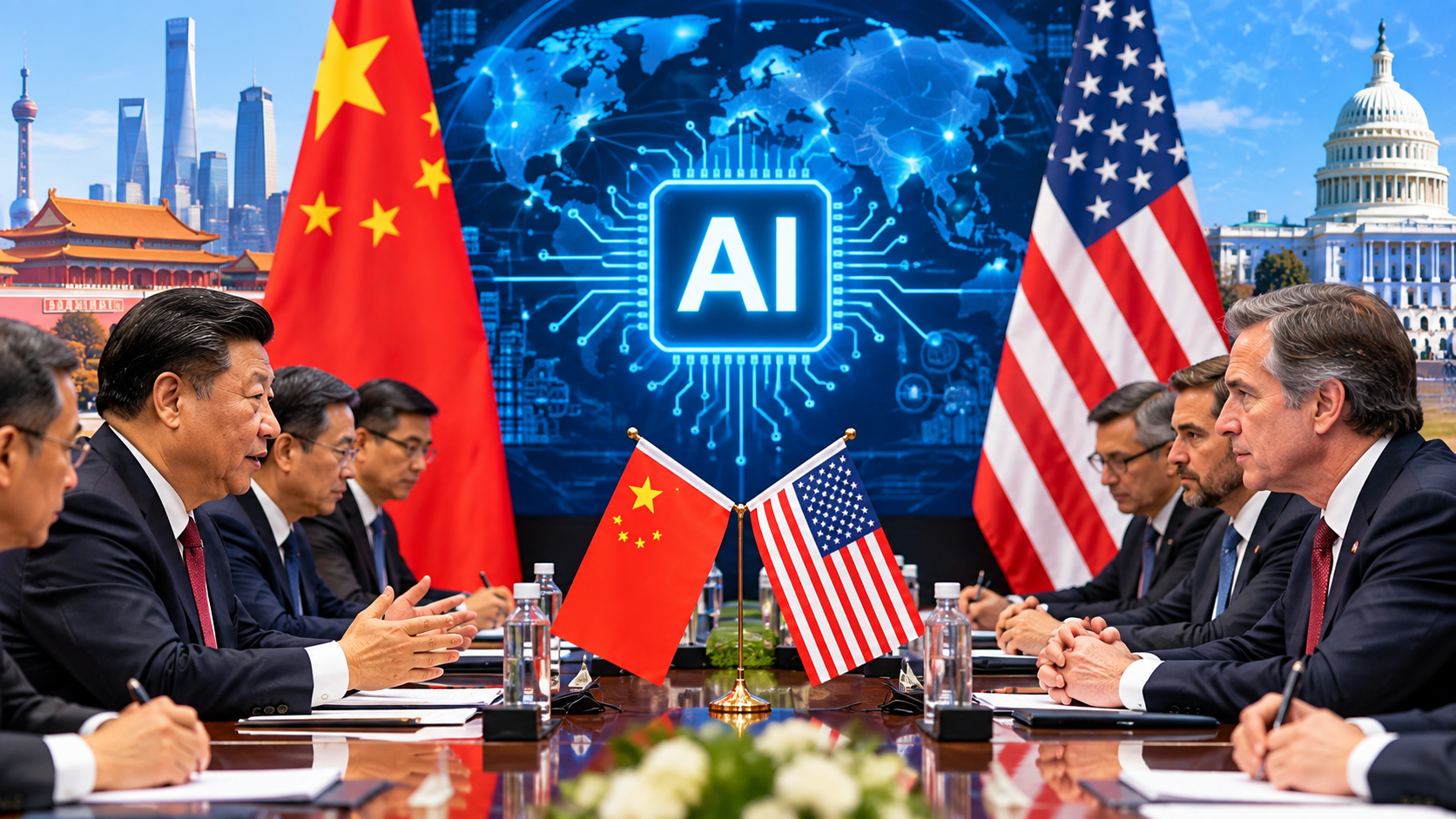
China is calling for the United Nations to take a central role in governing artificial intelligence, while promoting open-source cooperation and a stronger voice for the Global South.
The proposals were set out in Global Governance: Xiong'an Vision, a consensus document released on Sunday after a three-day forum in Xiong'an New Area, west of Beijing. Chinese officials said the meeting brought together delegates from over 90 countries and international bodies.
The document presents international collaboration, responsible open-source development and wider access to advanced technology as key elements of future AI regulation. It supports sharing research results and technical expertise so that more developers and countries can participate in the development of frontier systems.
Beijing's governance proposal
The document argues that multilateral oversight is necessary to give all countries an equal voice in decisions about AI. It also warns that technological and ethical risks must be addressed proactively, with safeguards against misuse and a continuing requirement that AI remain under human control.
That position gives the United Nations a proposed coordinating role in a field where national governments and technology companies are establishing competing approaches. The document does not outline a detailed enforcement system, but it sets out a preference for international cooperation rather than rules shaped by a limited group of countries.
The Global South, a broad term covering developing economies outside the traditional Western sphere, includes countries across Latin America, Africa, and parts of Asia and Oceania. China's proposal seeks to give those countries greater influence in discussions about access, standards and oversight.
Klaus Schwab, founder of the World Economic Forum, also stressed the need for international governance. He said the speed of progress in AI and other emerging technologies had created an urgent requirement for new global frameworks. He was cited as saying that a global governance system could not take shape without China's participation.
Open-source competition
The governance push comes as Beijing and Washington compete not only over the development of powerful AI models, but also over the standards governing their use across borders.
US technology companies retain an advantage in proprietary, closed-source models, according to the supplied report. Chinese companies, including DeepSeek and Alibaba Group Holding, have placed substantial emphasis on open-weight architectures.
Open-weight systems allow developers and businesses to download models, modify them and build new applications on top of them. The report says that approach has helped Chinese companies expand international adoption and offered Beijing a possible route to greater influence in global AI discussions.
Alibaba owns the South China Morning . That corporate relationship is relevant to the report's description of Alibaba's role in the AI market and its open-weight strategy.
Why the proposal matters
China's position links access to advanced AI with the structure of international decision-making. Its argument is that sharing technical knowledge and research can broaden participation, while United Nations involvement can prevent governance from being controlled by a small number of powers.
The proposal also reflects the wider strategic dispute between Beijing and Washington. The competition concerns both technological capability and the rules that determine how AI systems move between markets and are deployed in different countries.
For the Global South, the stated objective is a larger role in shaping those rules. For China, open-source development provides a way to promote cooperation while Chinese firms compete with US companies whose strongest systems are described as proprietary and closed-source.
Conclusion
China's forum document combines a call for UN-led AI governance with support for open-source cooperation and greater Global South participation. It places those ideas within the broader contest with Washington over AI technology and international standards.
Frequently Asked Questions
Q. What did China propose at the forum?
China proposed a central role for the United Nations in AI governance, alongside open-source cooperation and greater participation for the Global South.
Q. Where was the forum held?
The three-day meeting took place in Xiong'an New Area, west of Beijing.
Q. How many countries and international bodies attended?
Chinese officials said delegates from over 90 countries and international bodies attended.
Q. What does the proposal say about AI risks?
It calls for technological and ethical risks to be addressed proactively, AI misuse to be prevented and human control to be maintained.
Q. What is the Global South in this report?
It broadly refers to developing economies outside the traditional Western sphere, including countries in Latin America, Africa, and parts of Asia and Oceania.
Q. Which Chinese companies are mentioned?
The report names DeepSeek and Alibaba Group Holding as Chinese companies that have leaned heavily into open-weight AI architectures.
Q. How does open-weight AI work?
Developers and enterprises can download, adapt and build on open-weight models.
Q. What is the wider dispute involving China and the United States?
The two countries are competing to develop capable AI models and to shape the standards governing their cross-border deployment.