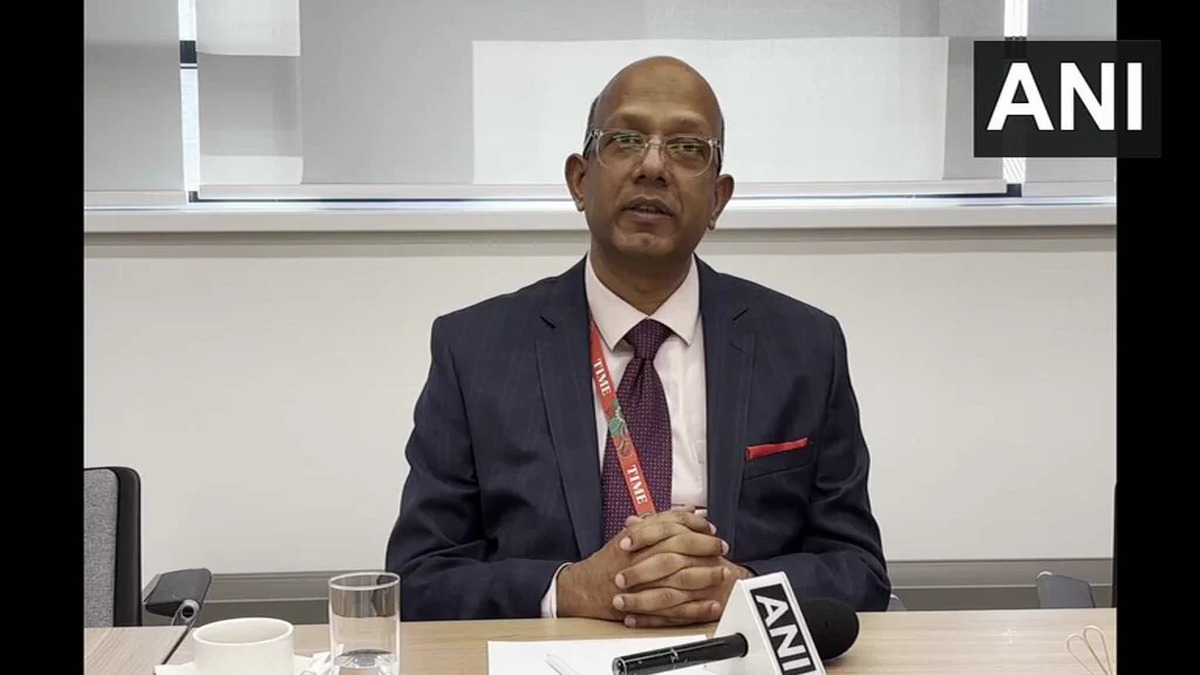
Indian diplomat Anuj Swaroop challenged a report by United Nations special rapporteur Gina Romero during a meeting of the UN General Assembly's Third Committee in New York, saying unverified allegations were weakening the organisation's credibility.
Speaking for India, Swaroop rejected the report concerning freedom of peaceful assembly and association. He objected to what he described as broad allegations based on anonymous claims and information that had not been verified.
India's objection to the report
Swaroop said allegations against the world's largest youth population could not be treated as evidence when they were based on anonymous and unconfirmed claims. India's delegation rejected the report in full, according to the account of his intervention.
His criticism focused on the reliability of the material used in the report. He said hearsay should not be presented in the form of a United Nations report, arguing that this kind of arbitrary reporting damages trust in the UN and its connected institutions.
The remarks placed the issue of evidence and verification at the centre of India's response. The available account does not provide further details about the report's findings or any response from Romero.
Who is Anuj Swaroop?
Swaroop is identified as an Indian Foreign Service officer from the 2016 batch. He represented India during the Third Committee meeting in New York.
Before his diplomatic service, Swaroop worked with NTPC for 5 years. He studied at the University of Delhi and had served as third secretary at the Indian embassy in Abu Dhabi.
Information attributed to his LinkedIn profile says he attended The Lawrence Public School in Janakpuri, Delhi. These details provide background on the official who presented India's position at the UN meeting.
What the intervention means
Swaroop's intervention was not simply an objection to one report. It also raised a wider concern about how claims are assessed before being included in United Nations reporting.
India's position, as presented at the meeting, was that unverified and anonymous allegations should not be treated as established evidence. Swaroop linked such reporting to a decline in confidence in the UN and its associated bodies.
The verified account records India's rejection of the report and its criticism of the material behind it. It does not establish any subsequent decision by the committee or indicate whether the report will be revised.
Conclusion
Anuj Swaroop represented India at the UN General Assembly's Third Committee and rejected Gina Romero's report, arguing that anonymous, unverified claims and hearsay-based reporting undermine the credibility of the United Nations.
Frequently Asked Questions
Q. Who is Anuj Swaroop?
Anuj Swaroop is an Indian diplomat and an Indian Foreign Service officer from the 2016 batch.
Q. Where did Swaroop make the remarks?
He made the remarks during a United Nations General Assembly Third Committee meeting in New York.
Q. Which report did India object to?
India objected to Gina Romero's report on freedom of peaceful assembly and association.
Q. What was Swaroop's main criticism?
He criticised anonymous and unverified allegations, saying hearsay should not be presented as a United Nations report.
Q. What did he say about the UN's credibility?
He said arbitrary reporting of this kind was reducing the credibility of the United Nations and its associated institutions.
Q. What is known about Swaroop's background?
He studied at the University of Delhi, worked at NTPC for 5 years and served as third secretary at the Indian embassy in Abu Dhabi.