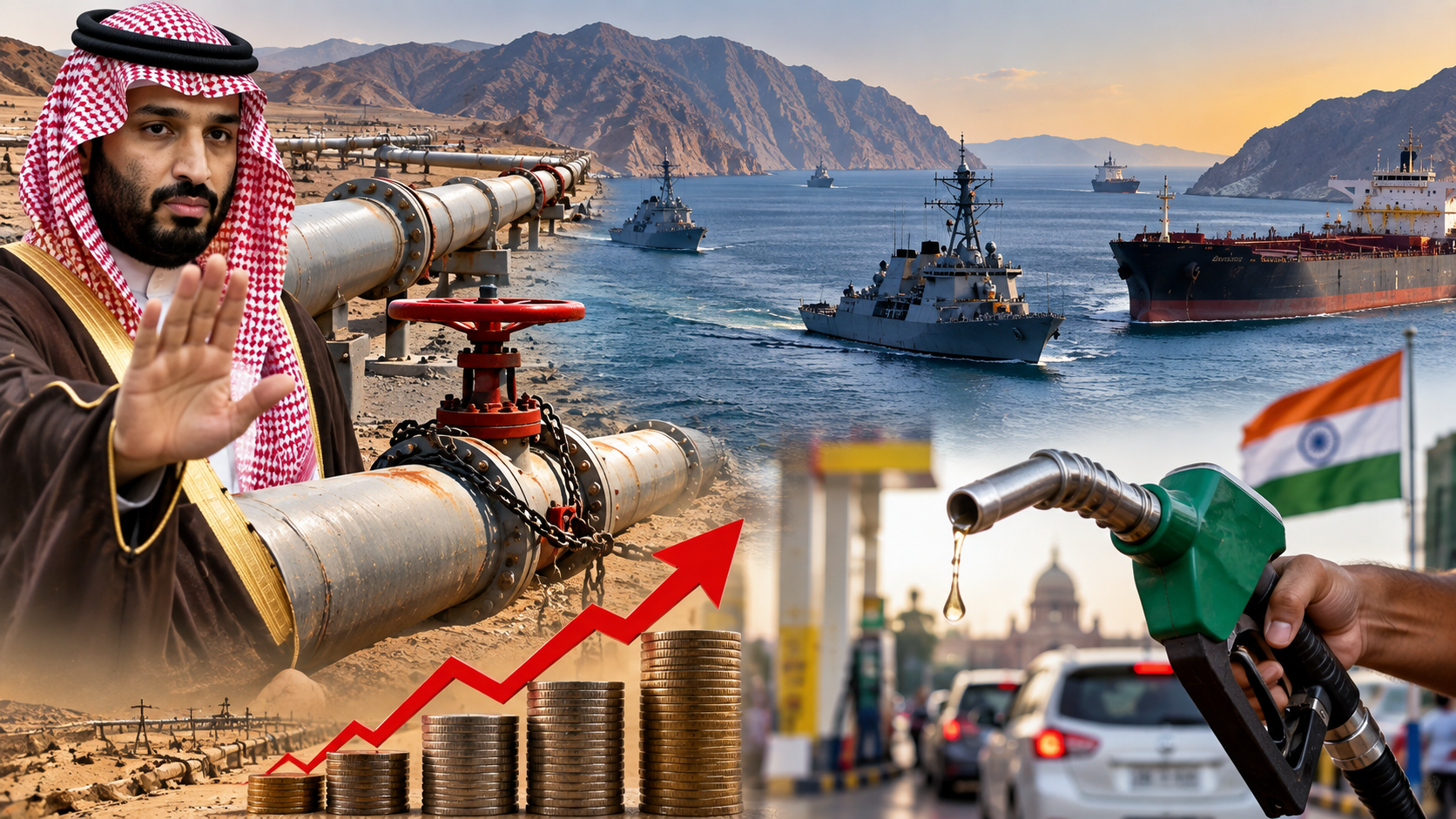
Saudi Arabia has halted its East-West pipeline after reported drone attacks damaged assets in the Riyadh and Medina areas and injured several people. The move has added fresh pressure to oil markets, with crude prices rising by more than 3% to around $108 a barrel.
The pipeline is being kept closed as a precaution while security checks are carried out. Its route is strategically important because it carries crude towards the Red Sea without relying on the Strait of Hormuz.
Why the pipeline matters
The East-West pipeline can transport 50-70 lakh barrels of oil a day. Its role has become more significant amid disruption to oil supplies linked to the United States-Iran conflict.
A prolonged interruption could make alternative crude supplies harder or more expensive to secure. The effect would depend on how long the shutdown continues and how quickly oil companies can arrange other sources and transport routes.
The pipeline has also been important for moving Saudi crude to the Red Sea. That makes the latest disruption relevant not only to Saudi exports but also to wider concerns about the availability and cost of crude in international markets.
Possible effect on Indian fuel prices
Indian oil companies are assessing the impact on crude availability, sourcing and overall procurement costs. The companies are also concerned that global inventories may offer less protection if supply tightens suddenly while prices remain volatile.
India relies heavily on imported crude. If the disruption persists, companies may need to diversify sourcing. That could increase purchase and shipping costs and put pressure on refining margins.
The resulting pressure could lead to higher petrol and diesel prices if the additional cost is passed on to consumers. The immediate effect, however, depends on the duration of the pipeline shutdown and the availability of alternative supplies.
Wider shipping concerns
The latest incident has renewed attention on the Strait of Hormuz after risks to shipping in the Red Sea increased last week. The source material also links the wider tension to Bab al-Mandeb, a key maritime route described as an alternative to Hormuz, where Iran-backed Houthi rebels fighting government forces in Yemen have seized an island.
Iran’s state news agency IRNA quoted the governor of Qeshm in blaming a “terrorist enemy” for a Sunday attack. According to that report, one person was killed and 4 others were injured. The US military had not immediately commented.
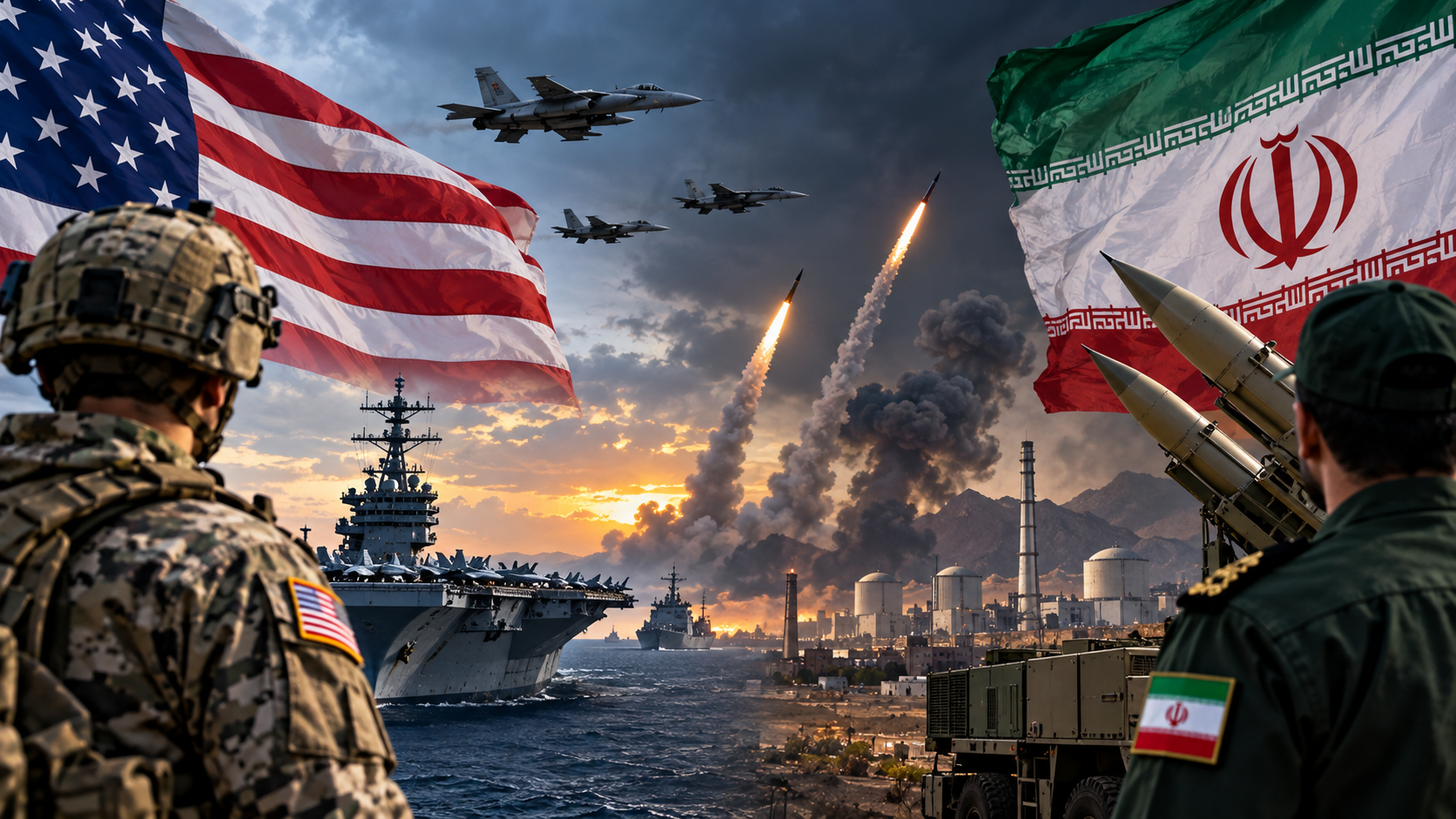
Qeshm Island, about 22 kilometres from the port city of Bandar Abbas, is described as important to Iran’s efforts to establish control around the Strait of Hormuz. The report also says the United States has targeted Iranian-flagged vessels during its blockade of Iranian ports and now faces a new threat from Iranian ballistic missiles fired at its warships.
Conclusion
The pipeline shutdown has pushed crude prices higher and increased uncertainty around supply routes. For India, the main risk is that a prolonged disruption could raise crude sourcing and transport costs, adding pressure to petrol and diesel prices.
Frequently Asked Questions
Q. Why has Saudi Arabia shut the East-West pipeline?
Saudi Arabia says it closed the pipeline as a precaution while security checks are conducted after reported drone attacks damaged assets near Riyadh and Medina.
Q. How much oil can the pipeline carry?
The pipeline can transport 50-70 lakh barrels of oil a day.
Q. Where had crude prices moved after the shutdown?
Crude prices had risen by more than 3% to around $108 a barrel.
Q. Could petrol and diesel become more expensive in India?
They could face upward pressure if the disruption lasts and higher crude, sourcing and transport costs are passed on to consumers.
Q. Why is the pipeline strategically important?
It carries Saudi crude towards the Red Sea while bypassing the Strait of Hormuz.
Q. What is the concern for Indian oil companies?
They are assessing the effect on crude availability, sourcing options, procurement costs and margins.
Q. What happened in the reported attack near Qeshm?
IRNA reported that one person was killed and 4 others were injured, while the US military had not immediately commented.
Q. Where is Qeshm Island?
Qeshm Island is about 22 kilometres from Bandar Abbas, the Iranian port city.
Q. Which wider shipping routes are part of the concern?
The developments have drawn attention to the Strait of Hormuz, the Red Sea and Bab al-Mandeb.