Prime Minister Narendra Modi met representatives of Indian space startups and praised their energy, ambition and optimism, according to a post shared for National Space Day. The discussion brought together companies working across launch vehicles, satellite propulsion, orbital services, space manufacturing and ground infrastructure.
The exchange placed private businesses at the centre of India’s expanding space ambitions. Startup representatives described new technologies and commercial plans, while Modi stressed the importance of consistent decisions so that companies willing to take risks can rely on continued support.
Policy and private enterprise
Participants said India’s space policy was forward-looking and gave companies the backing needed to compete internationally. One speaker argued that policy was no longer the main obstacle and that startups and other companies now had to build their businesses and capabilities.
Modi said technological progress must ultimately be connected to practical use for the common man. He also told entrepreneurs that their willingness to enter a new field showed courage, and that trust between the government and private companies would form the basis of their efforts.
The emphasis on consistency was a recurring theme. Modi said decisions should not be changed repeatedly, because people considering risks need confidence that support will not disappear if an undertaking encounters difficulties.
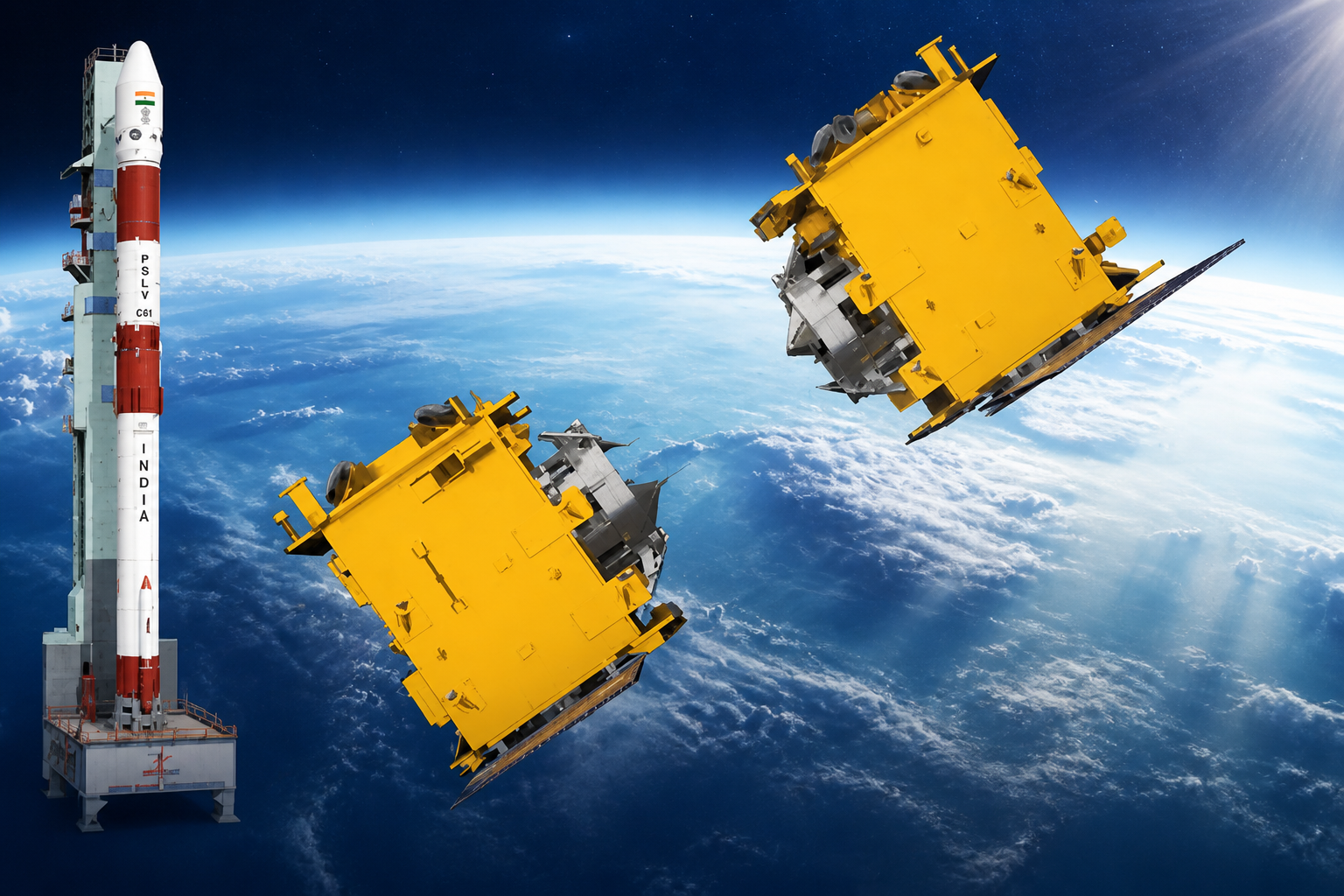
 An AI Enhanced visual related to Modi meets Indian space startups, highlights private-sector ambitions.
Skyroot outlines launch plans
Skyroot described itself as India’s first space-tech unicorn and said it had successfully launched India’s first private rocket on July 18th. The company called that flight only the beginning of its programme.
Its representatives said the company had built three factories and already had capacity for one rocket per month. The longer-term ambition is to move from one launch per month to one launch per week and, eventually, several launches per day.
The company also said it had developed engines based on highly modern designs and that testing was under way. It reported stronger investor interest after its first launch, with the launch followed by renewed attention from investors.
Another update concerned contracts. After one launch, the company said it had secured 8 launch contracts in the last one month, most of them international. The statement linked those contracts to growing confidence in India’s private space sector.
A wider range of space businesses
The startups represented at the meeting described work extending beyond rockets. One company said it was developing engines for satellites that move from one location to another in space. It said these systems could operate over periods of 5 years or 15 years and that there was substantial global interest in the technology.
The same discussion highlighted India’s cost competitiveness, available talent and the willingness of people in the country to take risks. The company said Indian businesses were already exporting and credited government support as part of that progress.
Another venture presented a robotic spacecraft designed to capture a dead satellite physically and remove it from orbit. The company said it was the first Indian company working on docking and refuelling technologies with a vision of creating a fuel station in space.
A separate startup introduced work in space pharmaceuticals. Antariksh, identified as a co-founder, said the company was India’s first space pharma startup. Its proposed satellites would manufacture pharmaceuticals in space and bring them back from space.
Ground stations and global talent
One startup said its vision was to establish a global ground-station network in the next 18 months. The discussion also connected India’s space growth with the ability to attract talent from around the world.
Participants said India should create an environment that encourages people seeking careers in space to join its startups and space agency. They described the country’s talent pool as a potential major strength and said the opening of the sector had helped make that opportunity visible.
The meeting therefore covered both immediate commercial activity and longer-term infrastructure. Launch contracts, factory capacity and engine testing were discussed alongside orbital servicing, refuelling, pharmaceuticals and ground stations.
Modi’s post invited people to share what excites them most about India’s space journey. The startup presentations offered several answers: more frequent private launches, international business, satellite mobility, removal of orbital debris, manufacturing in space and a wider network supporting spacecraft on the ground.