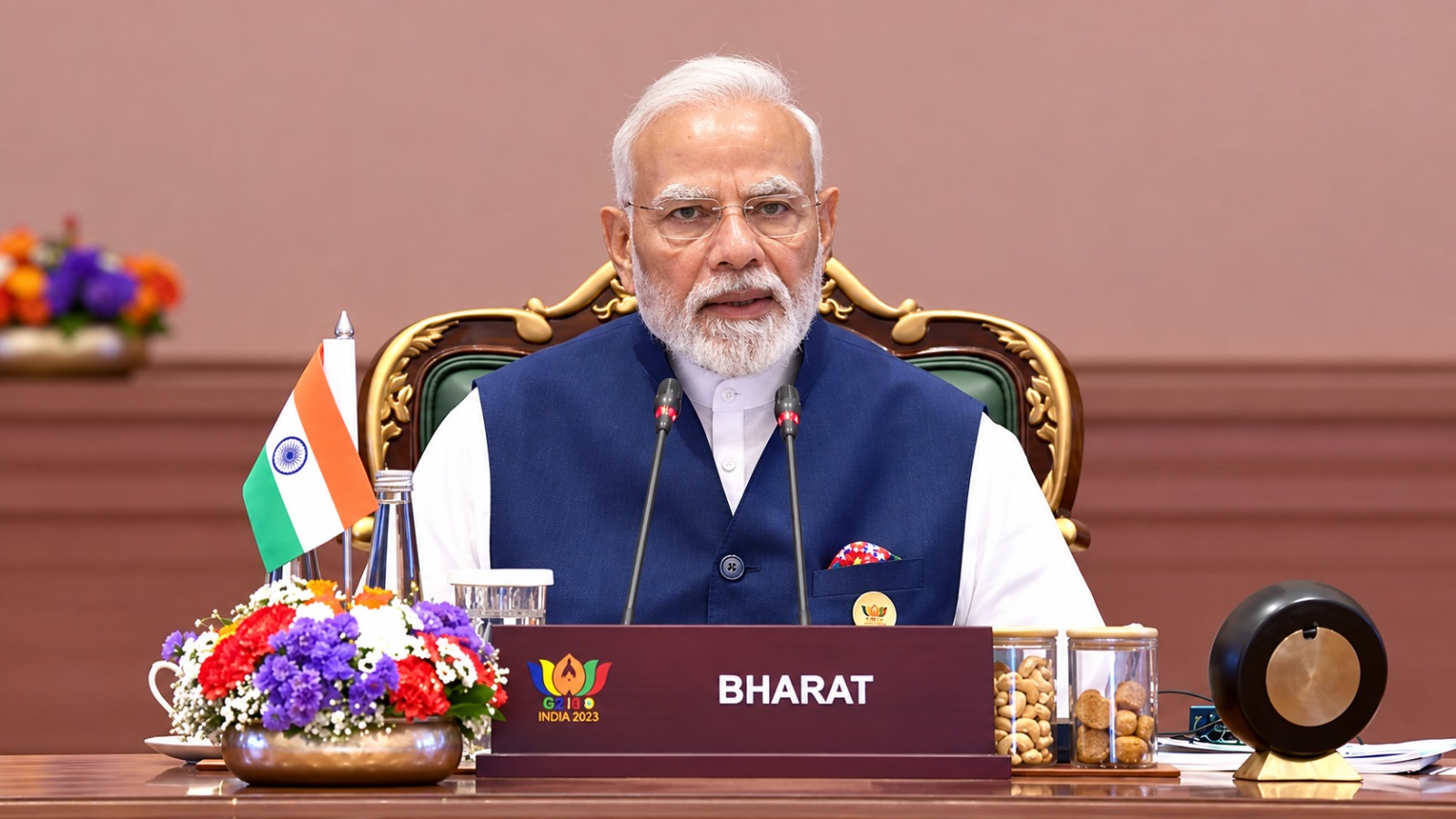
India used its BRICS presidency to secure a unanimous joint declaration, bring Iran and the UAE into a shared call for restraint, and obtain collective condemnation of the terrorist attack in Pahalgam. The New Delhi summit also kept the grouping focused on Global South priorities instead of allowing it to become a direct anti-US platform.
The 2-day summit was held in India on 12 and 13 September. Its central diplomatic challenge was maintaining unity among countries facing different wars, strategic pressures and regional positions. Russia is at war with Ukraine, while Iran is involved in conflict with the United States and Israel. BRICS members have also held differing views on West Asia.
5 outcomes that mattered for India
# Iran and the UAE backed a common call for restraint
West Asia was one of the most difficult issues before the summit because Iran and the UAE have taken different positions on the conflict. Earlier disagreements over the region had prevented BRICS foreign ministers from issuing a joint statement.
In New Delhi, both countries supported the joint declaration’s appeal for restraint in West Asia. Iran’s President Masoud Pezeshkian and UAE Crown Prince Sheikh Khaled bin Mohamed bin Zayed Al Nahyan also met on the sidelines. The meeting was described as the highest-level contact between the 2 countries since the war began.
# Members agreed on a joint declaration
Reaching consensus became harder after BRICS expanded, bringing together a wider range of national interests and positions. Despite those differences, the New Delhi summit adopted a joint declaration unanimously.
The document covered cooperation on global governance, development, trade, digital technology, AI and supply chains. It also praised India’s BRICS presidency.
# The declaration condemned the Pahalgam attack
The joint document strongly condemned the terrorist attack in Pahalgam, Jammu and Kashmir. It stated that there should be 0 tolerance for terrorism and called for terrorists, those who support them and people linked to terrorist activities to be held accountable under the law.
Pakistan was not named in the declaration. However, the attack was directly described as a terrorist attack. Securing this collective condemnation in a grouping that includes China was presented as a significant diplomatic achievement for India.
# BRICS remained focused beyond rivalry with the United States
India also faced the challenge of preventing BRICS from becoming an anti-US platform shaped primarily by Chinese and Russian interests. Russia faces strict US sanctions, while China and the United States are competing over trade and global influence.
The summit instead placed the concerns of developing countries and the Global South at the centre. The declaration called for reform of the United Nations and other global institutions, greater participation for developing countries and a more balanced global order.
# The grouping stayed together despite divergent positions
The summit’s wider test was whether BRICS could function despite differences in political outlook, economic interests and external relationships. The impact of the Russia-Ukraine war and the conflict involving Iran, the United States and Israel added to those pressures.
The declaration combined a call for restraint, dialogue and diplomacy in West Asia with space for members’ separate national positions. On economic matters, it focused on shared interests such as supply chains, development, technology and finance.
Modi’s bilateral diplomacy
Prime Minister Narendra Modi held 15 formal bilateral meetings during the summit. The meetings formed part of India’s broader diplomatic effort while leaders gathered in New Delhi.
The summit therefore produced 2 parallel outcomes for India: BRICS adopted a common position on selected issues, while bilateral engagement continued alongside disagreements among members.
What comes next for BRICS
The next major challenge will come under China’s BRICS presidency in 2027. India’s summit demonstrated that the grouping could reach a shared position on selected issues despite differences, while keeping Global South concerns and development-related cooperation on its agenda.
Conclusion
India’s BRICS summit combined a unanimous declaration, condemnation of the Pahalgam terrorist attack, Iran-UAE engagement and a Global South-focused agenda. The grouping remained together despite serious differences, leaving its next phase under China’s presidency as the following test of that cohesion.
Frequently Asked Questions
Q. What were India’s main BRICS summit outcomes?
India secured a unanimous joint declaration, collective condemnation of the Pahalgam terrorist attack, an Iran-UAE meeting and continued focus on Global South issues.
Q. When was the BRICS summit held in India?
The 2-day summit was held on 12 and 13 September.
Q. What did the BRICS declaration say about the Pahalgam attack?
It strongly condemned the terrorist attack, supported 0 tolerance towards terrorism and called for accountability under the law.
Q. Did the BRICS declaration name Pakistan?
No. Pakistan was not named, although the Pahalgam incident was directly described as a terrorist attack.
Q. What issues were covered by the joint declaration?
The declaration addressed global governance, development, trade, digital technology, AI and supply chains.
Q. How many bilateral meetings did Narendra Modi hold?
Prime Minister Narendra Modi held 15 formal bilateral meetings during the summit.
Q. Who will hold the BRICS presidency in 2027?
China is due to hold the BRICS presidency in 2027.