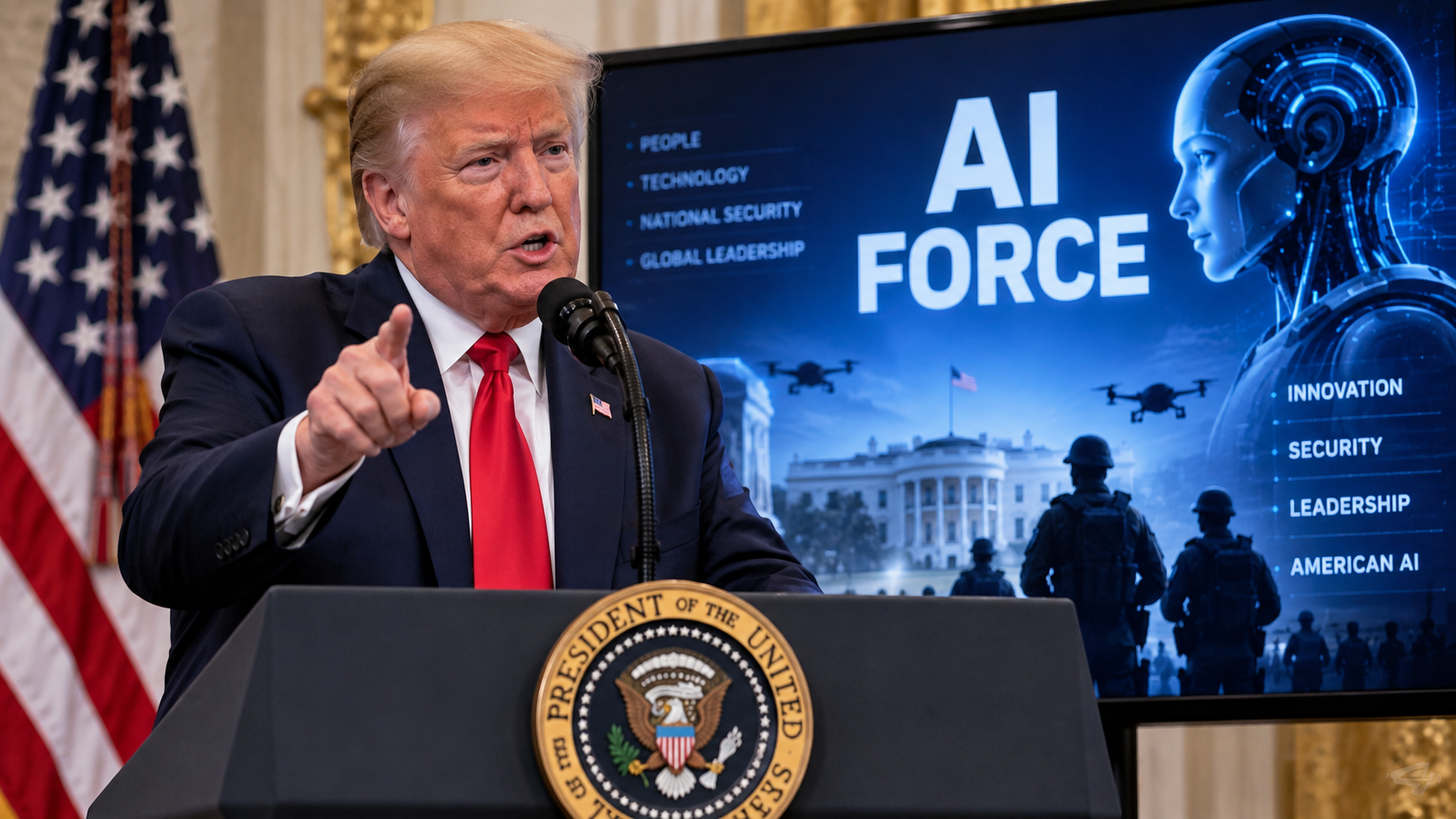
US President Donald Trump says he plans to appoint a new artificial intelligence adviser, known as an “AI tsar”, and establish an “AI force”. He has not provided details about the proposed structures, their authority or how they would operate.
The announcement comes as lawmakers in Washington examine the potential risks of artificial intelligence to people and property. Trump has repeatedly argued against additional AI regulation, saying government should support the sector rather than restrict its growth.
In a , Trump said his administration would not “hinder or stifle” the industry. He also said it would look for wrongdoing through the existing criminal and civil justice system.
Debate over AI oversight
The proposal places Trump’s approach against growing concern among some lawmakers and safety advocates about the consequences of rapidly developing AI systems. Earlier this month, former Anthropic researcher Jacob Coxon said people working on AI seriously believe the technology could pose an existential threat by the end of the decade.
Trump’s position is that additional federal rules could slow US development and weaken American companies competing with Chinese rivals. Safety advocates often reject that argument, maintaining that stronger safeguards are needed.
Venture capitalist David Sacks, who previously served as Trump’s AI tsar, has expressed a similar view on regulation. At a Politico event on Wednesday, Sacks said AI developers should be responsible for product safety and could face liability if problems occur. He also said new federal rules were unnecessary.
If Trump carries out the new appointment, it would be his 2nd AI tsar. Sacks left the role in the spring and moved into an external advisory position.
US-China competition
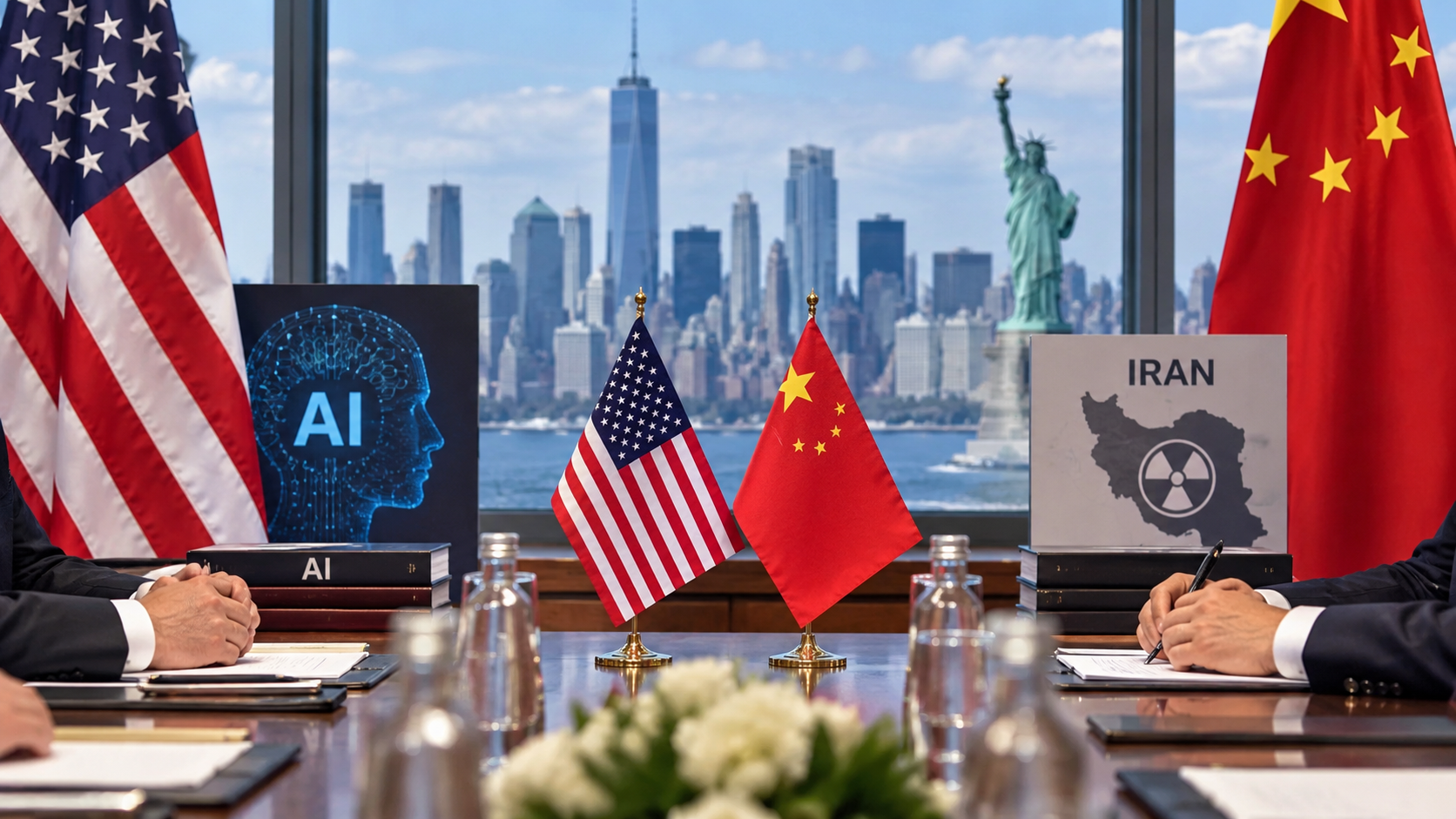
The timing of Trump’s announcement is significant because it comes before his scheduled meeting with Chinese President Xi Jinping on Thursday. Washington and Beijing are competing for leadership in artificial intelligence, which both governments regard as important to their economic and military strength.
US Treasury Secretary Scott Bessent is due to meet Chinese Vice Premier He Lifeng on Sunday at JPMorgan Chase headquarters in New York. A person familiar with the planning said the discussions would cover AI security, trade and other economic issues.
The White House did not immediately respond to a request for comment on Trump’s . The lack of detail leaves the proposed AI force and adviser without a defined mandate, organisational structure or implementation timetable.
Conclusion
Trump has announced plans for an AI force and a new adviser while rejecting additional regulation as a barrier to US competitiveness. The next step is to see whether his administration provides details and follows through on the appointment.
Frequently Asked Questions
Q. What did Donald Trump announce about artificial intelligence?
Trump said he plans to appoint an AI adviser, known as an AI tsar, and create an AI force.
Q. Has Trump explained how the AI force will work?
No. He has not provided details about its structure, authority or implementation.
Q. Why is the announcement important?
It comes during debate in Washington about AI risks and competition between the US and China for leadership in the technology.
Q. Who previously served as Trump’s AI tsar?
Venture capitalist David Sacks previously held the role before moving into an external advisory position.
Q. Does Trump support additional AI regulation?
Trump has repeatedly argued that additional regulation is unnecessary and could hinder the industry.
Q. What will Scott Bessent and He Lifeng discuss?
Their planned meeting will cover AI security, trade and other economic issues.
Q. When is Trump scheduled to meet Xi Jinping?
Trump is scheduled to meet the Chinese president on Thursday.
Q. What approach did David Sacks support on AI safety?
Sacks said developers should be responsible for product safety and could be held liable if problems arise.