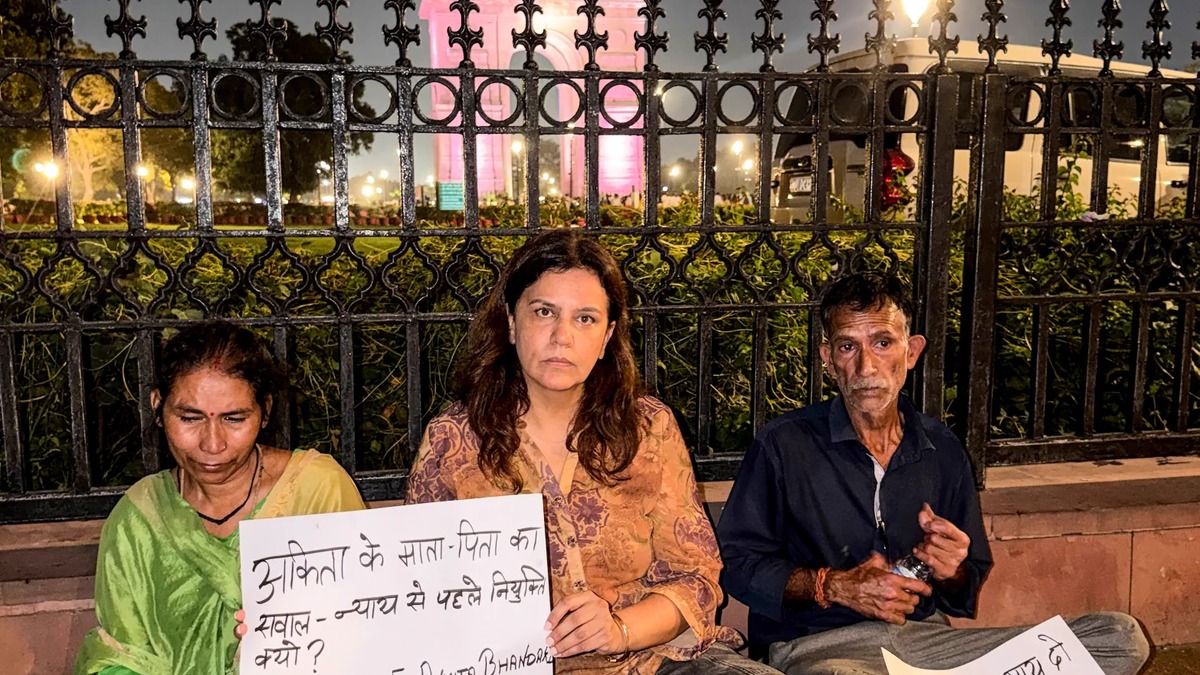
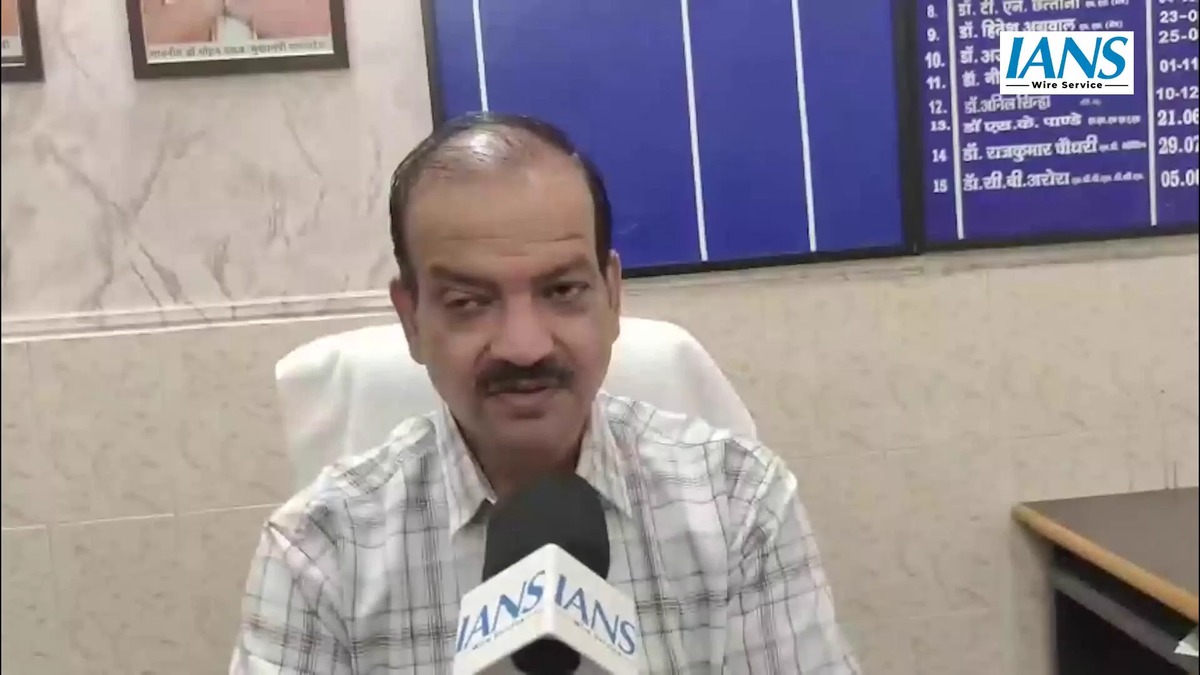
The Supreme Court has taken a firm view of allegations that women journalists were assaulted or mistreated during protests, directing Delhi Police not to arrest a woman journalist whose safety was raised during the hearing.
The court also ordered law-enforcement agencies and police officers to preserve CCTV footage, digital records and other material connected with protests. Private parties may retain videos and related evidence in their possession for possible presentation before the court.
The material could be relevant to allegations concerning police action, detentions and alleged mistreatment at protest sites. The court said it would consider all aspects before passing further orders.
Proposed inquiry into alleged mistreatment
Chief Justice of India asked senior advocate Indira Jaising to submit documents in two sealed covers. One cover is to contain the names of women journalists who have alleged assault or mistreatment by police. The other is to list retired women judges and police officers who could be considered for a possible inquiry committee.
The court indicated that such a committee could be formed to examine and investigate the allegations. The proceedings also focused on women journalists' safety, their ability to report from demonstrations and the conduct of police during crowd-control operations.
Jaising raised the case of a woman journalist after an FIR was registered against her under the Scheduled Castes and the Scheduled Tribes (Prevention of Atrocities) Act. The name of Delhi Police ACP Vivek Bhagat came up in connection with that case.
Jaising sought the court's intervention and asked that further action against the journalist be stopped. The Chief Justice told Delhi Police not to proceed with her arrest. Solicitor General Tushar Mehta assured the court that she would not be arrested if she joined the investigation.
Mehta also said it could be difficult at protest sites to distinguish journalists from content creators making reels for social media. He nevertheless made clear that no woman should face indecent behaviour or mistreatment, including women police personnel.
Debate over reporting rights and police powers
The women journalists' side argued that they were performing professional duties while covering protests. Jaising said women journalists face difficulties while reporting in India and sought protection for their reporting rights, along with a halt to new FIRs against them.
She said journalists identify themselves through press identity cards or other credentials issued by their institutions. She also proposed a clear national protocol covering journalists' identification, work and safety at protest sites.
Senior advocate Arundhati Katju raised the alleged use of mobile jail vans to detain protesters and referred to the seizure of equipment. She sought a court-monitored inquiry into police action, detention and the records available from the protests.
The court also issued notice on petitions challenging the constitutional validity of section 172 of the Bharatiya Nagarik Suraksha Sanhita. The provision requires people to follow lawful directions issued by police officers and gives police the power to detain or arrest a person for non-compliance.
The petitioners questioned the use of the provision and the rights involved in related action. They argued that official orders forming the basis of police action were not available on the record.
Senior advocates Kapil Sibal and others said they had not seen the relevant orders. Senior advocate Guruswamy pointed to the absence of an order issued under section 163 of the BNSS in the Delhi Police affidavit and also raised the failure to provide the number of people detained.
Justice Bagchi said challenging action becomes difficult when the relevant order is not part of the record. He told the Solicitor General that the restrictive order relied upon should be included in future affidavits.
Jantar Mantar and notices to opposition leaders
The court questioned the government about the removal of Jantar Mantar from its notified status as a protest venue. It asked whether the decision followed oral observations by the Supreme Court or resulted from a separate assessment of the venue's usefulness for demonstrations.
Mehta said the decision was not based on a Supreme Court judgment. He told the court that a committee had been formed earlier and had submitted a detailed report.
In another issue arising during the proceedings, the Supreme Court issued notices to Rahul Gandhi and other opposition leaders who were co-petitioners in his application. The notices seek their response to events involving a disturbance at the Supreme Court filing counter.
The leaders named in the proceedings include Congress leader Rahul Gandhi, Congress president Mallikarjun Kharge, Samajwadi Party president Akhilesh Yadav and Trinamool Congress MP Mahua Moitra. They are required to present their position before the court.
Conclusion
The verified focus of the hearing is the protection of women journalists, preservation of protest-related evidence and scrutiny of police action and detention powers. The Supreme Court will consider the issues before passing further orders.
Frequently Asked Questions
Q. What did the Supreme Court direct regarding CCTV footage?
The court directed law-enforcement agencies and police officers to preserve CCTV footage, digital records and other material connected with protests.
Q. What protection was given to the woman journalist?
Delhi Police was told not to arrest her. The Solicitor General assured the court that she would not be arrested if she joined the investigation.
Q. Could the Supreme Court form an inquiry committee?
The court indicated that a committee could be formed to examine allegations of assault and mistreatment involving women journalists.
Q. What information was sought in the sealed covers?
One cover is to contain the names of women journalists making allegations. The other is to contain names of retired women judges and police officers who could serve on a possible committee.
Q. What is the challenge involving BNSS section 172?
The petitions challenge the constitutional validity of section 172, which concerns compliance with lawful police directions and related powers of detention or arrest.
Q. Which other leaders received notices?
The named leaders include Rahul Gandhi, Mallikarjun Kharge, Akhilesh Yadav and Mahua Moitra. The notices concern events at the Supreme Court filing counter.