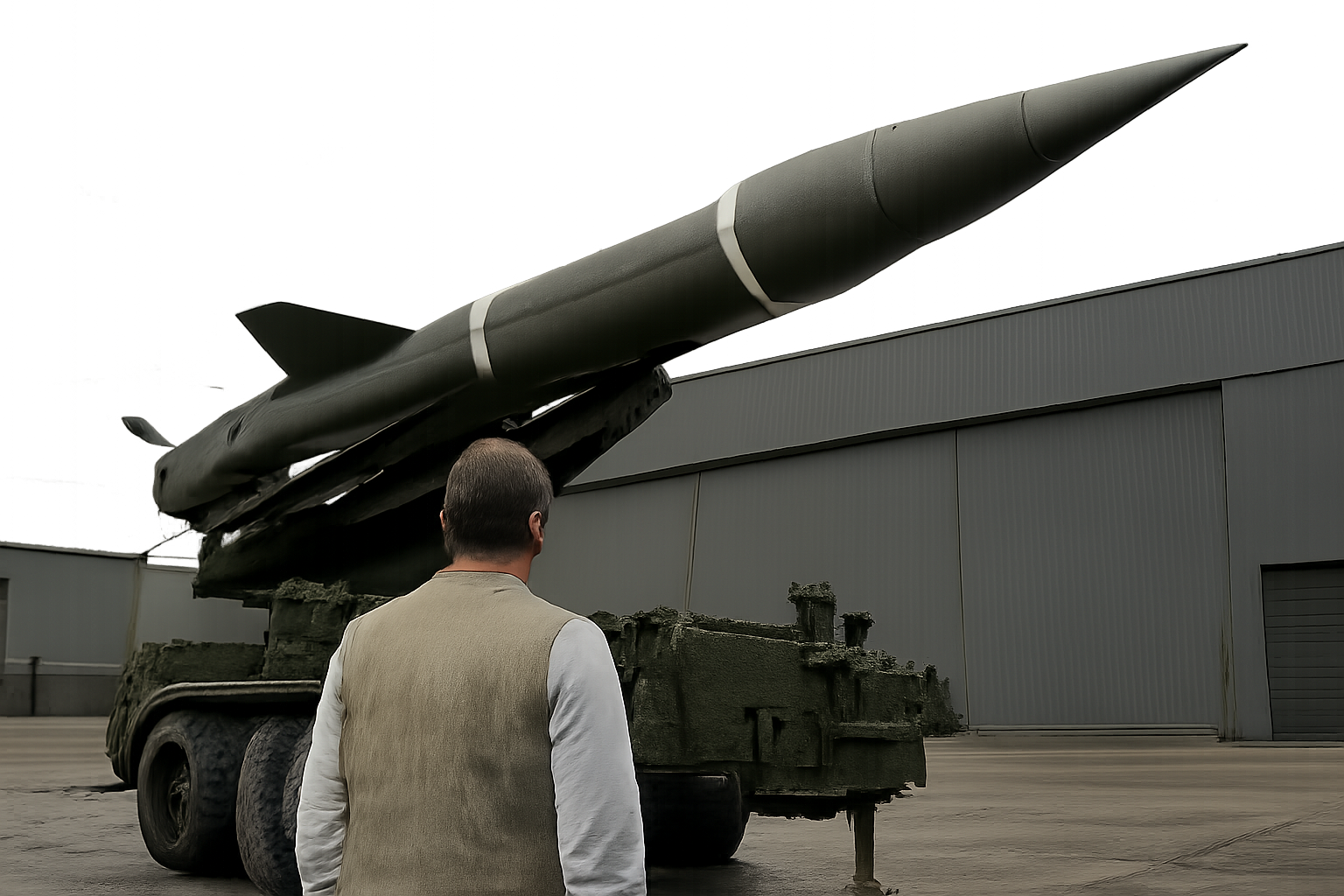
Defence Minister Rajnath Singh has approved the transfer of technology for all conventional missile systems developed by the Defence Research and Development Organisation to eligible Indian defence companies. The decision will allow qualified firms to manufacture these systems within India after meeting the required standards.
The move is aimed at strengthening domestic defence production and improving the process through which missile technologies move from research and development to industrial manufacturing. It is also expected to support the armed forces by making the domestic supply of required missile systems more accessible.
How the technology transfer will work
Under the arrangement, DRDO-developed technologies will be made available to Indian industries that satisfy defined qualification, certification and regulatory requirements. Companies will be responsible for converting tested and approved technologies into industrial-scale production.
DRDO has played a leading role in developing advanced missile systems. The new approach separates that research role from the task of expanding production through industry. This could allow the organisation to focus more closely on advanced defence research and development while certified technologies are taken forward by manufacturing partners.
The decision does not mean that every company can immediately produce the systems. Eligible firms will first have to meet the prescribed technical and regulatory conditions. Once those requirements are fulfilled, the technology transfer is intended to make the transition from development and testing to production easier.
Focus on domestic capacity and supply chains
The policy is linked to the government’s broader objective of building self-reliance in defence. Domestic capability in this context covers more than the use and development of weapons within the country. It also includes manufacturing and the creation of a supply chain based in India.
Expanding local production is expected to help reduce dependence on foreign sources and strengthen the Indian defence industry. The technology transfer could also enable Indian companies to manufacture DRDO-developed missile systems on a larger industrial scale.
Missile production requires a wide range of inputs, including equipment, components, electronic systems, materials and other technical elements. A stronger domestic manufacturing network would therefore involve businesses across several parts of the supply chain rather than only the companies that assemble the final systems.
Opportunities for smaller Indian businesses
A key feature of the decision is the expected increase in participation by small and medium-sized companies. Micro, small and medium enterprises could find opportunities to supply components, materials, electronics and other technical inputs needed for missile manufacturing.
The stated objective is to build a domestic industrial base that includes large defence companies as well as MSMEs and other technology partners. Such participation would broaden the manufacturing ecosystem supporting missile production and help develop capabilities across the supply chain.
What the decision means for DRDO and the armed forces
The policy gives DRDO a clearer role in the wider production framework. The organisation can concentrate on developing advanced technologies, while certified technologies are taken to manufacturing through Indian industry.
The decision is also intended to narrow the gap between the development of a new technology and its availability to the armed forces. Faster movement from research and testing to production could support the timely supply of required missile systems, although companies must still complete the necessary qualification, certification and regulatory processes.
The government is pursuing the measure as part of efforts to expand defence production in India and develop the country’s capacity to manufacture advanced military systems. Its immediate focus is the domestic transfer and industrial use of DRDO-developed conventional missile technologies.