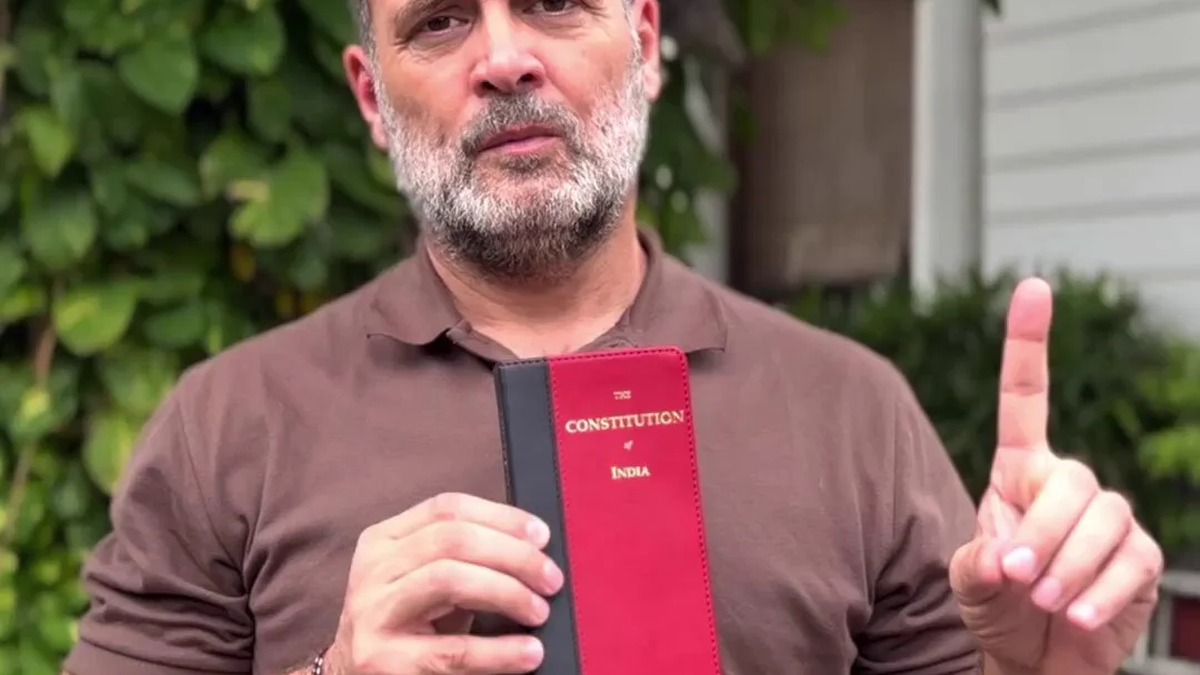
Congress leader and Leader of Opposition in the Lok Sabha Rahul Gandhi has announced a planned march to the Supreme Court, following what he described as a peaceful youth protest in Delhi.
In a on X, Gandhi said young people had gathered without hatred or anger but were beaten by police and what he called BJP goons. These claims were made by Gandhi and were not independently established in the material available.
He said the proposed march would bring together young people, opposition parties, civil society groups and others who support democracy and the Constitution of India. Gandhi framed the action as one that would cross political, gender, caste, community and state divisions.
What Gandhi said the memorandum would seek
According to Gandhi's , the group plans to submit a memorandum to the Chief Justice on behalf of the nation. He said it would demand action on several political and electoral issues:
- An end to what he called “vote chori”
- A halt to SIR
- The resignation of Gyanesh Kumar
did not provide further details about the memorandum, the meaning of SIR in this context or the evidence supporting the allegations. It also did not confirm whether the planned march had taken place.
Gandhi said the action would challenge what he described as attempts to silence India's voice. He named Narendra Modi, Amit Shah, Ajit Doval and Mohan Bhagwat while asserting that they could not intimidate the movement. Those statements were part of his political message.
The announcement follows Gandhi's account of the earlier Delhi protest, which he characterised as peaceful. His did not give the number of participants, identify those allegedly beaten or provide details about any police response.
Why the announcement matters
The proposed action places the Supreme Court at the centre of an opposition campaign focused on alleged electoral wrongdoing and the conduct of public institutions. However, the supplied material records Gandhi's demands and allegations rather than any ruling, response or finding by the court.
Gandhi urged participants not to be afraid and presented the planned mobilisation as an expression of love, brotherhood and patriotism. also called for participation from people beyond party lines.
No response from the BJP, police, the Chief Justice or Gyanesh Kumar is included in the available material. The next verified development in the account is Gandhi's proposed march and the submission of the memorandum.
Conclusion
Rahul Gandhi has called for a broad opposition-backed march to the Supreme Court and a memorandum addressing “vote chori”, SIR and Gyanesh Kumar's resignation. The available material records his claims and proposed demands, but does not establish the allegations or confirm the march's outcome.
Frequently Asked Questions
Q. Who announced the proposed march?
Rahul Gandhi, the Congress leader and Leader of Opposition in the Lok Sabha, announced it in a on X.
Q. Where was the march supposed to go?
Gandhi said participants would march to the Supreme Court.
Q. Who did Gandhi invite to join?
He named young people, opposition parties, civil society groups and people who support democracy and the Constitution of India.
Q. What would the memorandum demand?
Gandhi said it would demand an end to “vote chori”, a halt to SIR and the resignation of Gyanesh Kumar.
Q. What did Gandhi claim about the earlier Delhi protest?
He said young protesters were beaten by police and BJP goons. The available material does not independently establish that claim.
Q. Has the march been confirmed as completed?
No. The available material describes it as a planned action and does not report its outcome.