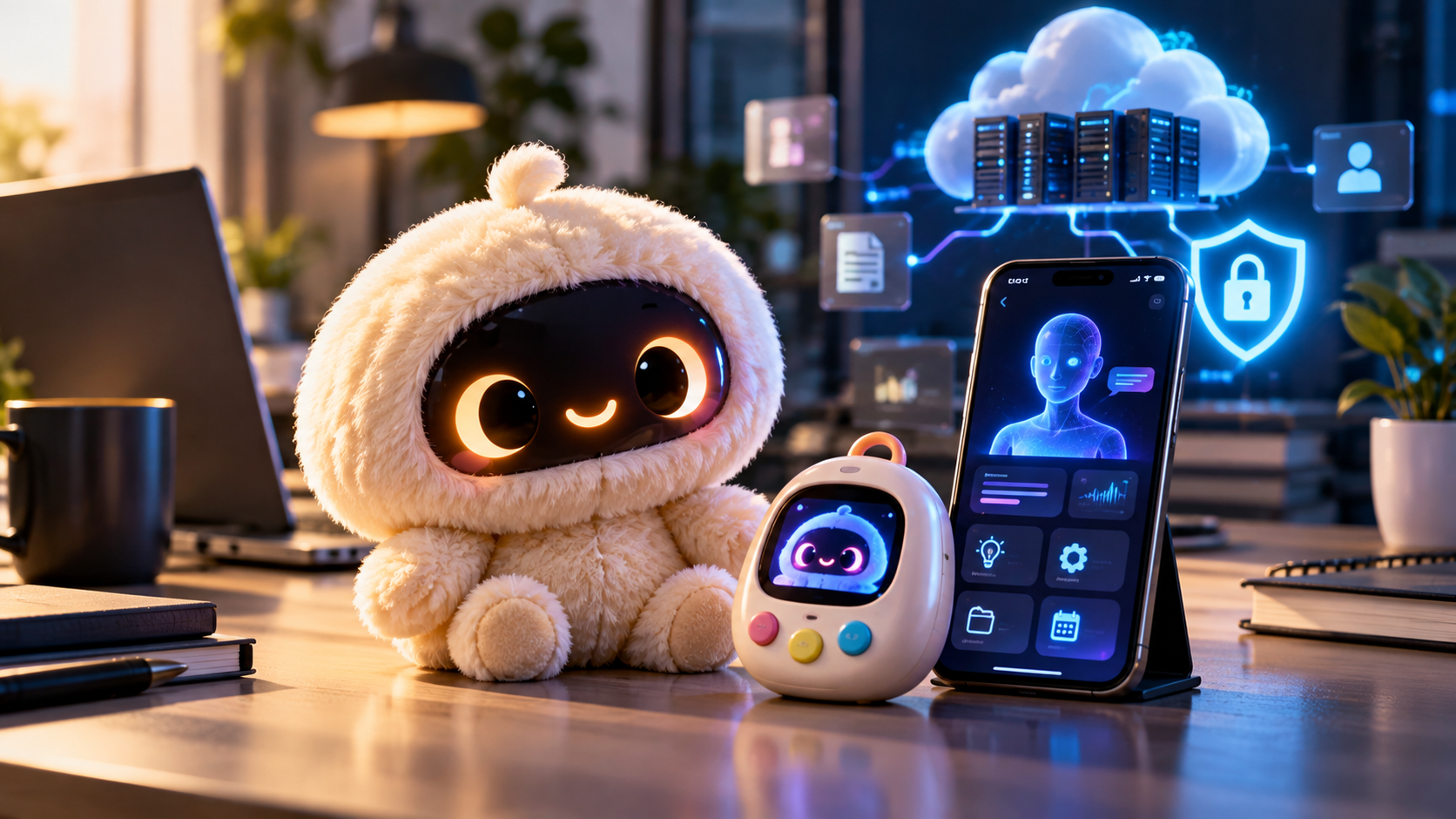
Meta's Muse AI app is intended for adults, but its soft, toy-like mascot has triggered questions about who the design is meant to attract and whether a friendly appearance could make users less cautious about privacy.
Muse is restricted to people aged 18 and over. Meta spokesperson Daniel Roberts said the app asks everyone for a date of birth, blocks people it detects may be under 18 from opening an account and carries out further checks to help confirm that users claiming to be adults are over 18.
The mascot, Jolly, has become a prominent part of Muse's identity. Alexandr Wang, Meta's chief AI officer, has repeatedly shared memes featuring the character, including some with suggestive scenarios. Meta's Mona Sarantakos said the product team chose “delightful” design elements so interacting with Muse would feel less awkward than speaking with a corporate logo or entity.
Why the mascot is drawing scrutiny
Josh Golin, executive director of Fairplay, said Jolly resembles a Teletubby and appears designed to appeal to very young children. He argued that rounded shapes are particularly attractive to preschool-age audiences. Fairplay has previously campaigned against Meta's targeting of children.
The character's appeal is not limited to children. The branding can also make the product approachable for adults, including users who remain uneasy about Meta and generative AI. Julian De Freitas, a Harvard marketing professor who studies AI companions, said cute design can make a product seem warmer and less threatening.
De Freitas also pointed to the challenge Meta faces because public attitudes toward the company remain negative after social addiction rulings. In August, Meta settled claims linked to social media addiction, agreeing to add restrictive features for teens on Instagram and Facebook and to pay up to $16.7 billion.
The privacy question
Researchers disagree about whether the mascot was specifically designed to attract children. Some compare Meta's approach with Japan's long-standing use of adorable characters to market technology. Anthropomorphised assistants have also appeared in products such as Microsoft's Clippy and the red-shelled OpenClaw lobster.
The concern is broader than age appeal. Meta trains its AI models on Muse interactions unless users opt out. Jathan Sadowski of Australia's Monash University said cute, low-friction design and nostalgia can encourage people to stop asking critical questions about how an AI agent operates.
Sadowski described Muse as an always-open route into the servers of a major surveillance company, rather than merely a harmless character in a pocket. He also cited research suggesting that adopting AI agents could make people more passive.
What Meta plans next
Meta says it will release a “confidential” version of the virtual machine that helps power Muse later in 2026. The company says that version could cryptographically and verifiably prevent Meta from accessing a user's data.
That proposed safeguard does not remove every concern about trusting an AI agent. Ryan Calo, a University of Washington professor and faculty cofounder of its Tech Policy Lab, compared agents with tour guides: users rely on an intermediary without necessarily knowing whose interests influence the recommendations.
Meta is also preparing Muse Charm, a Tamagotchi-like device. With that launch approaching, youth advocates remain concerned that the company's character-led design could draw younger users toward Muse despite the app's adults-only rule.
Conclusion
Muse combines an adults-only access policy with a mascot that critics say has strong child appeal. Meta points to age checks and a planned privacy-focused virtual machine, while researchers and youth advocates want users and regulators to examine how the product's design shapes trust.
Frequently Asked Questions
Q. Is Meta's Muse available to children?
Muse is restricted to users aged 18 and over. Meta says it uses birth-date collection, detection measures and additional checks to help verify adult users.
Q. Who is Jolly?
Jolly is the mascot associated with Meta's Muse AI app. Its rounded and cuddly appearance has prompted comparisons with children's characters.
Q. Does Meta train AI models on Muse interactions?
Yes. Meta trains its AI models on Muse interactions unless users opt out.
Q. What is Meta's confidential Muse version?
Meta says it plans to release a confidential version of the virtual machine powering Muse later in 2026. The company says it could prevent Meta from accessing user data through cryptographic verification.
Q. What is Muse Charm?
Muse Charm is a Tamagotchi-like device that Meta is preparing to launch.
Q. Why are youth advocates concerned about Muse?
They argue that the mascot's design could appeal to young children, even though Muse is intended only for adults.
Q. What privacy concern do researchers raise?
Researchers warn that friendly, frictionless design may make users less likely to question how an AI agent handles data and influences decisions.