Delhi's Jantar Mantar has been removed from the designated list of protest venues after nearly three and a half decades as a central location for movements from across India. The Union Home Ministry's decision directs organisers towards Ramlila Maidan, Burari Maidan and CBD Maidan in east Delhi.
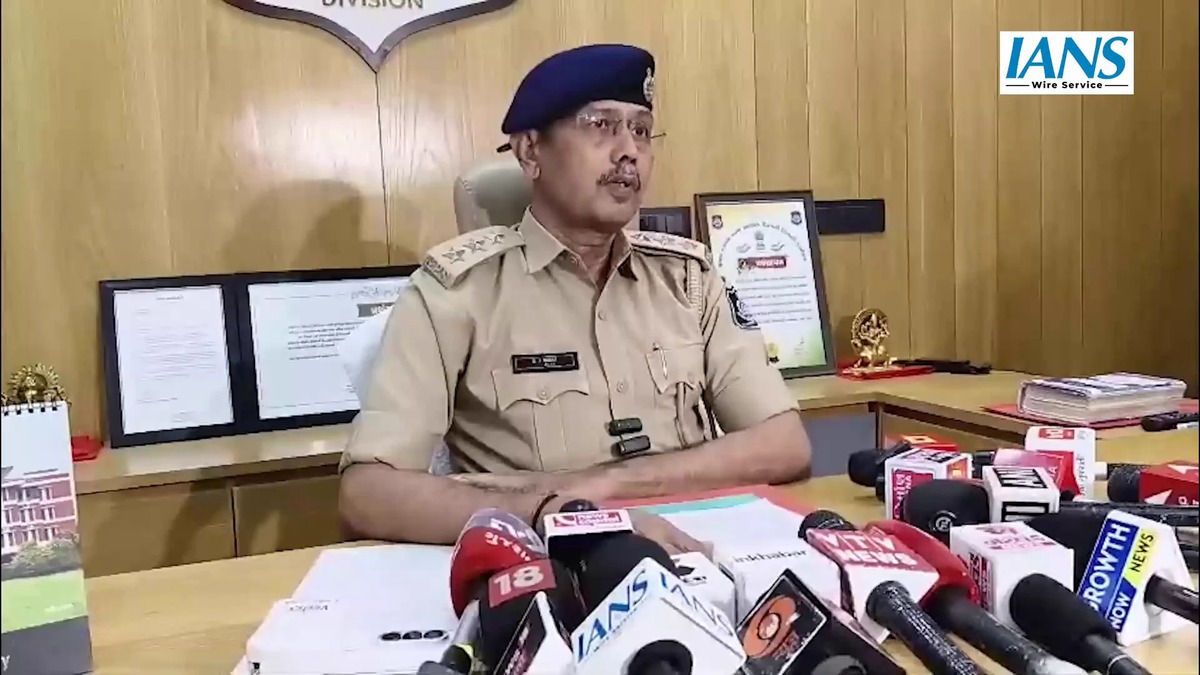
The change was announced by Delhi Police Commissioner Anurag Kumar in a standing order issued on 11 October. The order says the new arrangement follows recommendations from a committee formed by the Union Home Ministry to review alternative locations for demonstrations.
The decision matters because the three approved venues are outside the central administrative area around Parliament. Ramlila Maidan is in central Delhi, while Burari Maidan is in north-west Delhi and CBD Maidan is in east Delhi.
What the new order changes
Under the revised arrangement, Jantar Mantar is no longer listed as a designated protest site. A separate and revised standard operating procedure for demonstrations at the three new venues is to be issued.
The police order partially modifies standing order L&O/48/22, issued on 28 April 2022. It identifies Ramlila Maidan, Burari Maidan and CBD Maidan as the locations recommended for notification as protest venues.
Ramlila Maidan is about 3 kilometres from Jantar Mantar, making it the closest of the three alternatives. Burari Maidan is approximately 21 kilometres away, while CBD Maidan is 13 kilometres from the former protest site.
The change followed a period of heightened protest activity. The Cockroach Janata Party had approached Parliament Street police station on Monday seeking permission to demonstrate at Jantar Mantar. The organisation said it wanted to protest over demands for Chief Election Commissioner Gyanesh Kumar's resignation and cancellation of the Special Intensive Revision campaign, known as SIR, in electoral rolls.
The same demands have been linked to a protest presence at Jantar Mantar since 2 October. After a CJP demonstration on 10 October, petitioners also asked during a Supreme Court hearing that peaceful protests be permitted at the designated venue.
Political and legal criticism
CJP has rejected the government's decision. Its representatives describe the removal as an attack on the fundamental right to protest and assemble peacefully. CJP's Saurav Das said the organisation had given Delhi Police an ultimatum of 24 hours to grant permission for its demonstration.
CJP founder Abhijit Deepke called the move authoritarian and argued that the issue was not merely the location of a protest, but the ability of people to express opposition. Das questioned whether the Union Home Ministry had consulted citizens, stakeholders or organisations before taking the decision.
Ratna Singh, who heads CJP's legal cell, said the change removed the place people had traditionally approached when they came to Delhi to demonstrate. Senior advocate Prashant Bhushan argued that the government could not limit peaceful assembly only to designated locations and alleged that the decision would push protests towards the outskirts of Delhi.
AISA leader Neha Bora's team also criticised the decision on X, saying Jantar Mantar represented the voice of the people and that the organisation would continue to oppose its removal from the list.
These reactions represent the positions of the organisations and individuals quoted. The police order, as reported, presents the change as an implementation of the committee's recommendations and does not include the criticisms made by protest groups.
Why Jantar Mantar became significant
Jantar Mantar has been associated with major public campaigns for decades. Earlier demonstrations included protests over the paper leak issue and calls for the then Education Minister Dharmendra Pradhan to be removed. A large mobilisation during a Parliament march on 20 July involved clashes and violence between police and demonstrators.
The venue's importance is also linked to its location near Parliament. A history account written for BBC by senior journalist Tribhuvan said the Boat Club had served as a major centre of democratic expression from the late 1960s through the 1980s.
After 1993, amid rising political tensions, demonstrations began moving away from Rajpath, now known as Kartavya Path. Jantar Mantar subsequently emerged as an intermediate location: close enough to Parliament to remain visible, but sufficiently separated from the main administrative zone.
The alternatives also have their own protest histories. Ramlila Maidan hosted Jayaprakash Narayan's rally in 1975 and the anti-corruption movement led by Anna Hazare in 2011. Burari Maidan gained attention during the farmers' movement in 2020, when the government asked protesters to move there.
What happens next
The immediate next step identified in the order is the release of detailed and revised operating procedures for protests at the three newly designated venues. CJP, meanwhile, has said it does not accept the decision and has sought permission for its proposed demonstration.
The dispute therefore concerns both the venue change and the conditions under which demonstrations can take place. The government's order establishes the alternative locations, while critics continue to challenge whether moving protests away from Jantar Mantar affects peaceful assembly and public visibility.
Conclusion
Jantar Mantar has been removed from Delhi's designated protest-site list, with Ramlila Maidan, Burari Maidan and CBD Maidan identified as alternatives. The change has prompted objections from CJP, student activists and other critics, while revised operating procedures for the new venues remain due.
Frequently Asked Questions
Q. Which Delhi protest site has been removed from the designated list?
Jantar Mantar has been removed from the designated list for protests.
Q. Which venues have been identified as alternatives?
The listed alternatives are Ramlila Maidan, Burari Maidan and CBD Maidan.
Q. Who issued the order announcing the change?
Delhi Police Commissioner Anurag Kumar issued the standing order on 11 October.
Q. Why was CJP seeking permission to protest?
CJP was seeking permission to demonstrate over demands for Chief Election Commissioner Gyanesh Kumar's resignation and cancellation of the SIR campaign.
Q. What will happen at the new protest venues?
A separate and revised standard operating procedure for demonstrations at the three venues is to be issued.