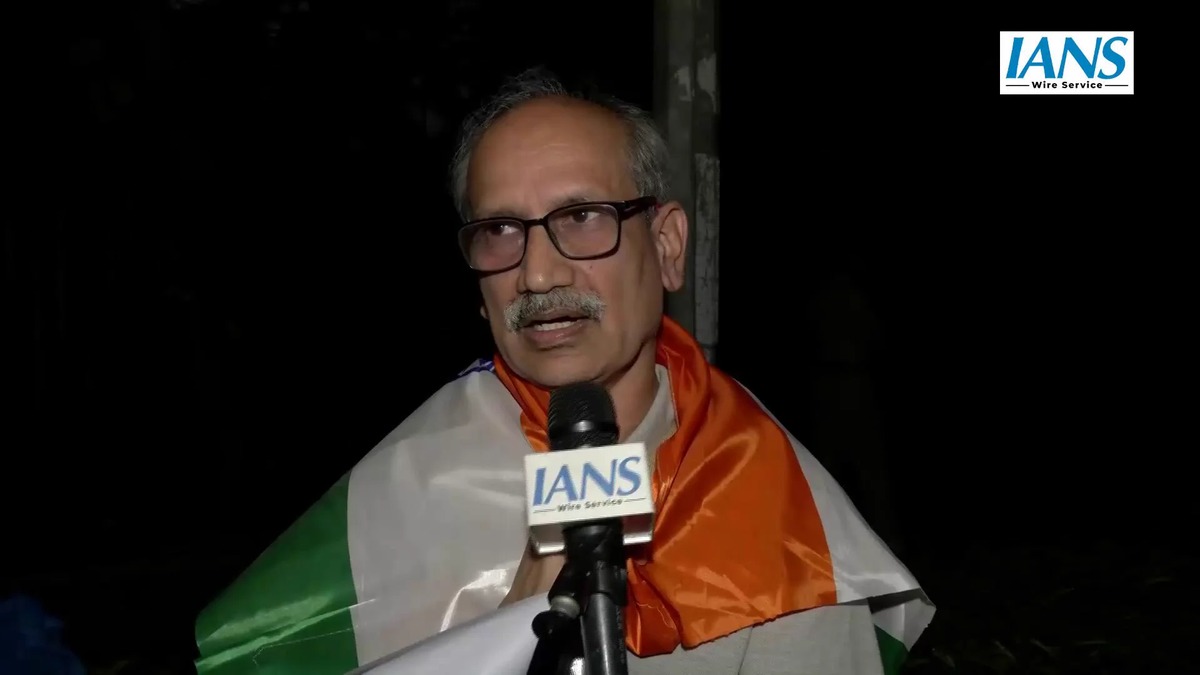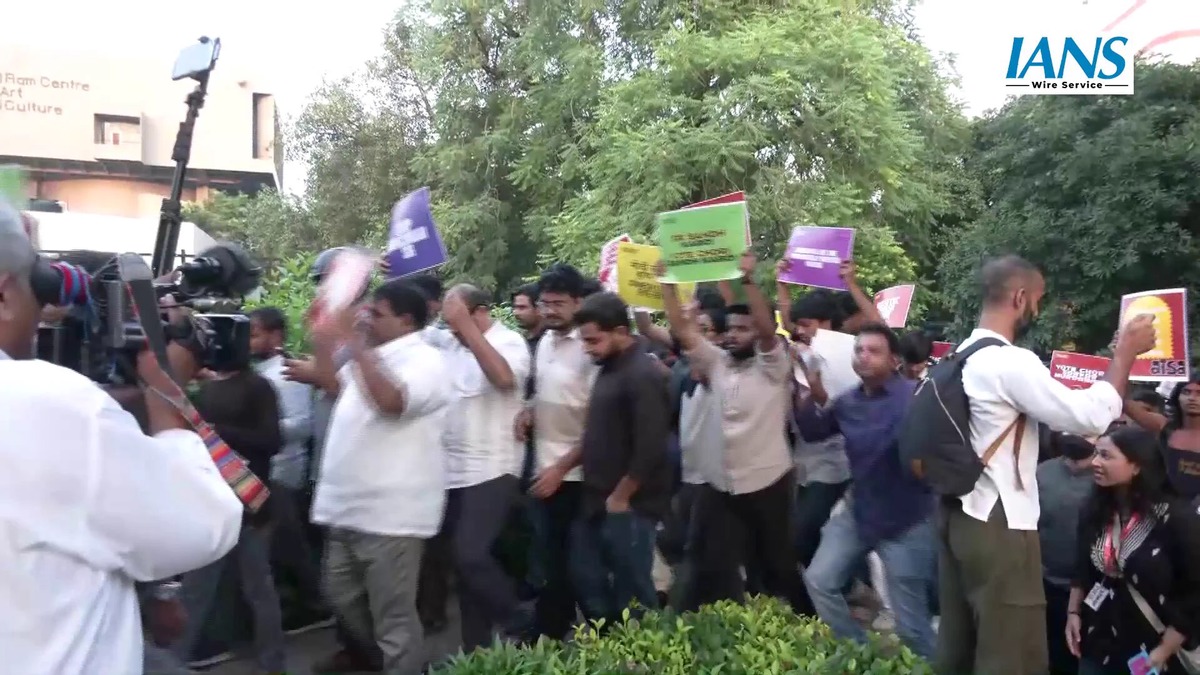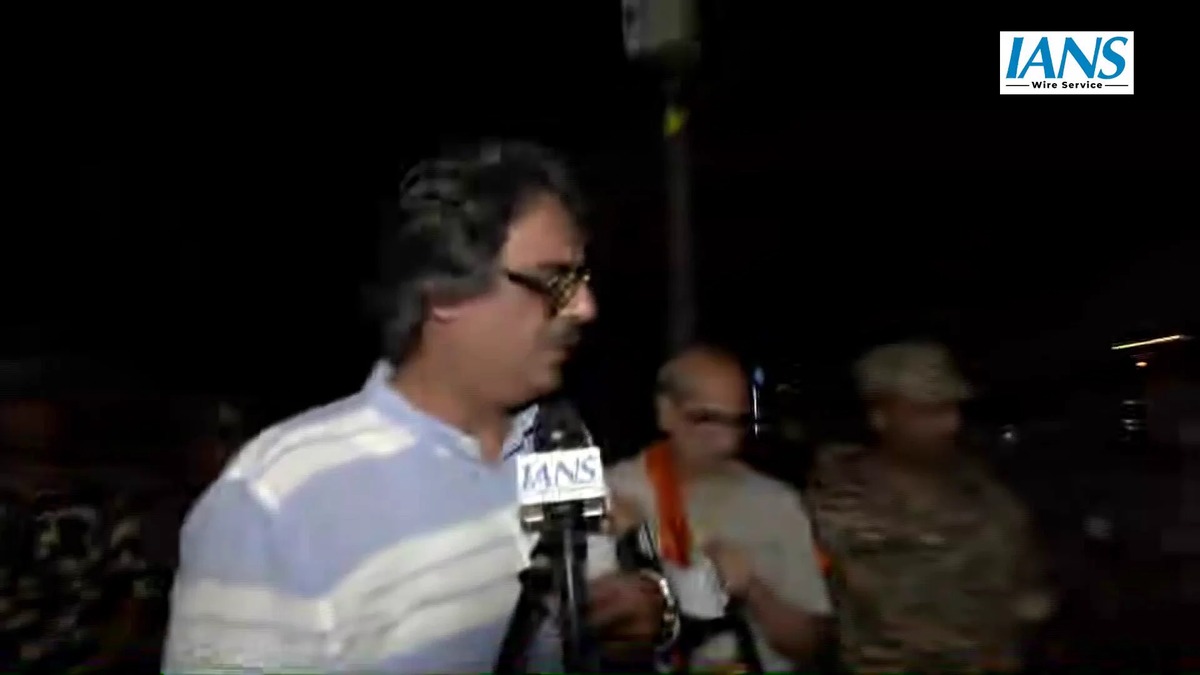
A participant in the CJP's “Lehra Do Tiranga” march in Delhi has defended the right to protest beyond officially designated locations, arguing that restrictions on where people may demonstrate raise fundamental democratic questions.
The participant said people living in a democratic country should have the freedom to protest outside their homes, in their neighbourhoods or in other places. They described the requirement that demonstrations take place only in designated areas as anti-democratic and called protest an essential part of democracy.
The comments place the debate over the march around a central question: whether public demonstrations should be confined to specific spaces or allowed in a wider range of locations. The participant's remarks were presented as a defence of public protest rather than as a statement about a separate policy proposal.
Developments around the march
Related reports identified CJP's Abhijeet Dipke and AISA's Neha Bora as having been detained ahead of the “Lehra Do Tiranga” protest. Another report described the Tiranga march as having been broken up.
Separate coverage reported that Delhi Police might allow only “select few” people to attend the protest. That report also said 32,000+ personnel were on alert. further details about the police deployment or specify how many people were permitted to participate is not yet available.
A report published on 09 Oct 2026 described heightened security in Delhi ahead of the protest march. Another report from the same period referred to a top court position that there could not be a complete prohibition on Delhi Metro and trains in connection with CJP protests.
What the participant's remarks highlight
The participant's argument links the location of protest to the broader meaning of democratic participation. In their view, the ability to demonstrate is not limited to a specially assigned site. It can also include public spaces near homes and within neighbourhoods.
The remarks do not establish a court ruling or an official change in protest rules. They express the position of one participant in the march. The surrounding reports instead show that the demonstration was taking place amid detentions, disruption and extensive security preparations.
The available information does not state what further action organisers, police or courts will take after the reported developments. It also does not provide a complete account of the march's size, route or final outcome.
Conclusion
The Delhi march has renewed a public argument over protest rights and designated demonstration areas. A participant said democratic freedom should include the ability to protest in places beyond officially assigned sites, while related reports described detentions, disruption and heightened security.
Frequently Asked Questions
Q. What was the “Lehra Do Tiranga” march?
It was a CJP march in Delhi connected with a protest.
Q. What did the participant argue?
The participant argued that people should be able to protest outside their homes, in neighbourhoods or elsewhere in a democratic country.
Q. What did the participant say about designated protest spaces?
They argued that requiring protests to take place only in designated spaces is anti-democratic.
Q. Who were reported detained ahead of the protest?
Related reports named CJP's Abhijeet Dipke and AISA's Neha Bora.
Q. What happened to the Tiranga march according to related coverage?
A related report described the march as having been broken up.
Q. How many personnel were reportedly on alert?
One report said 32,000+ personnel were on alert.
Q. What did related coverage say about attendance?
It reported that Delhi Police might allow only “select few” people to attend the protest.