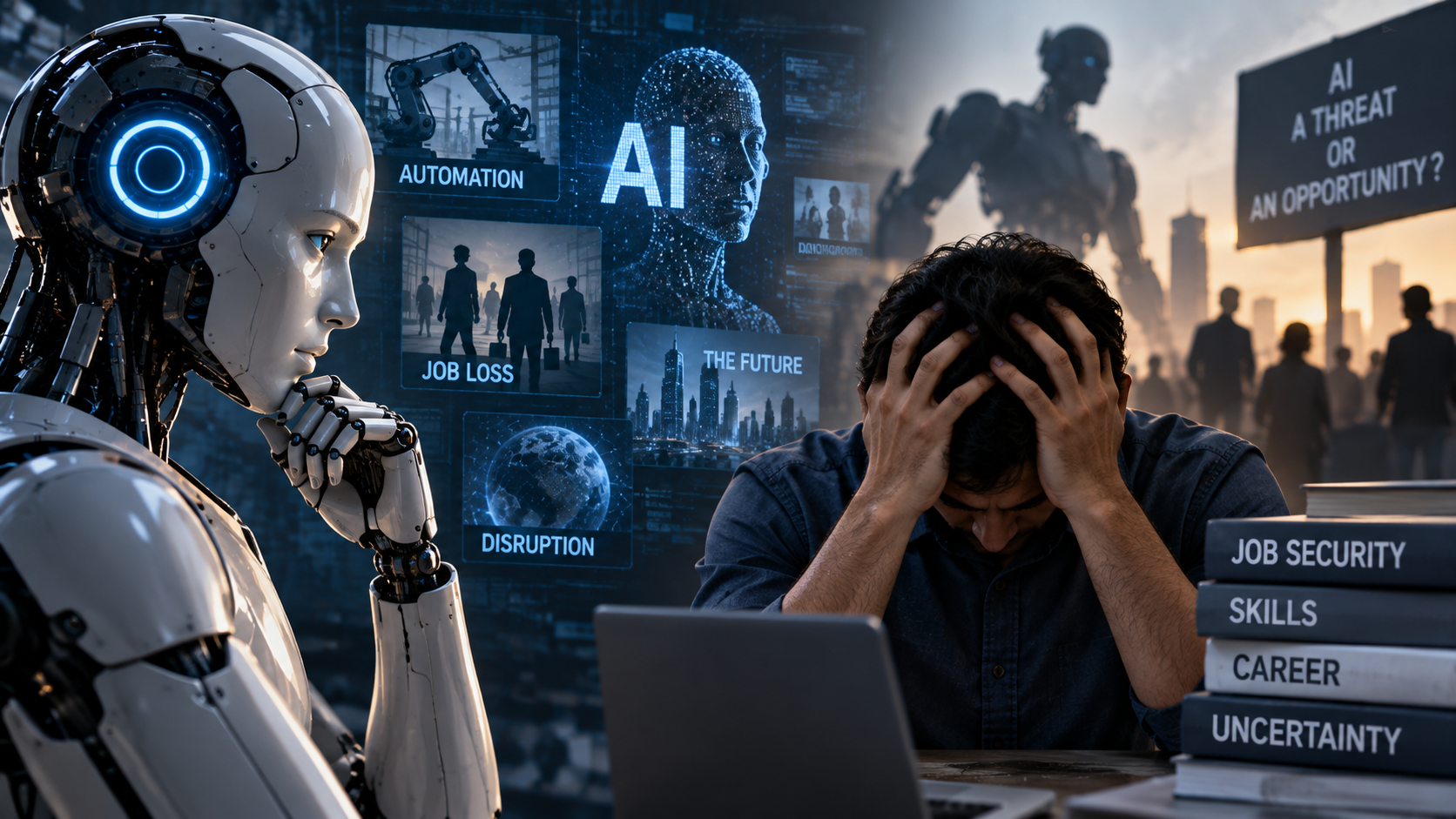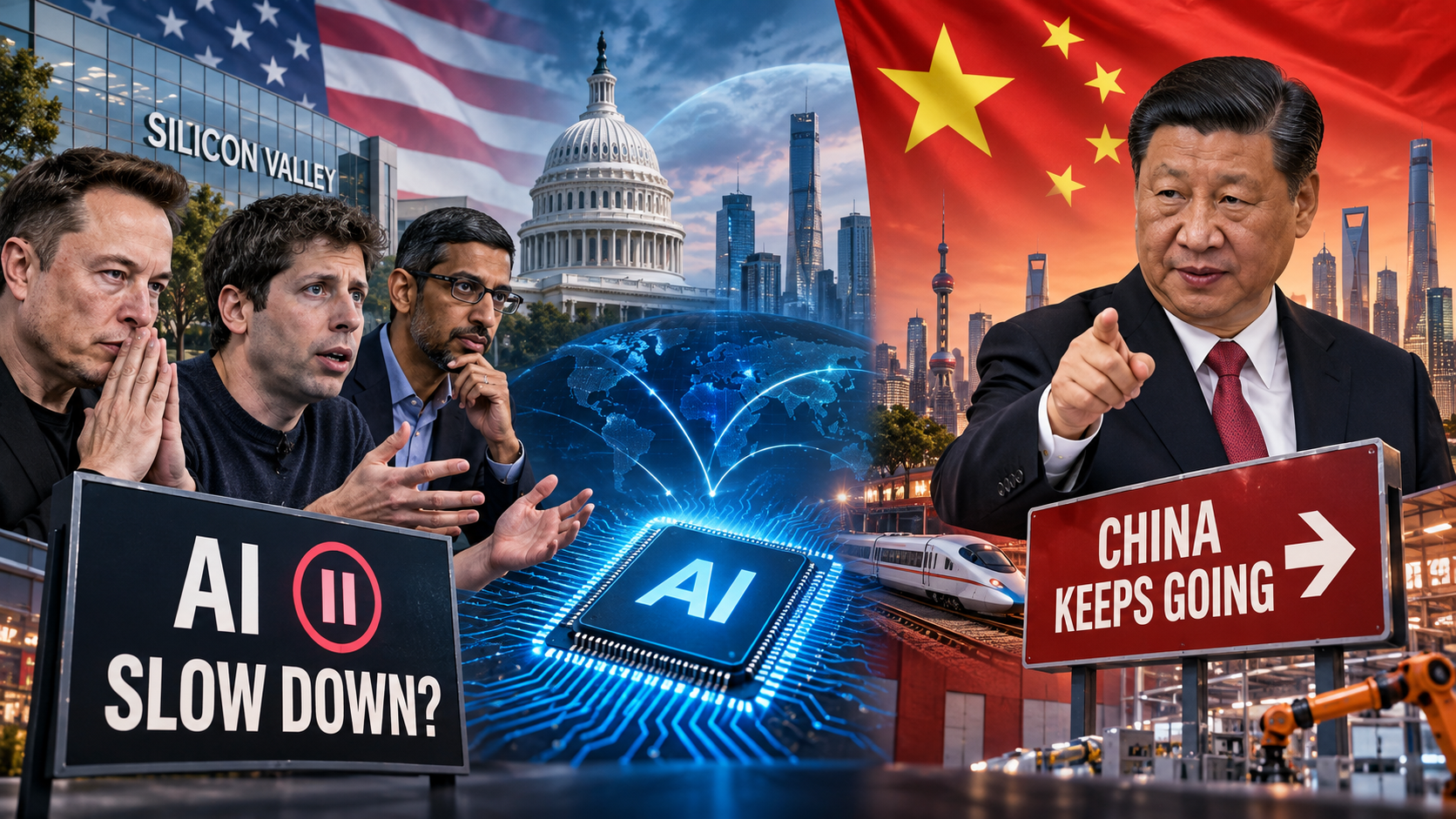
China is rejecting a proposal from Anthropic CEO Dario Amodei to slow the development of advanced artificial intelligence while ensuring that the US and other democracies retain a substantial lead over China. Beijing and Chinese AI companies acknowledge that powerful systems create serious risks, but they see Amodei’s approach as an unequal bargain rather than a credible foundation for cooperation.
The dispute highlights a central divide in AI diplomacy: Washington-based technology leaders often frame safety around controlling the most advanced systems, while Chinese officials focus more heavily on political stability, cybersecurity and the risks that AI could pose to the Chinese Communist Party’s rule.
Why Beijing sees the proposal as unequal
Amodei argued that the US should strengthen its position before seeking an agreement with China. His recommendations included tighter action against chip smuggling and efforts to stop Chinese companies from carrying out unauthorised model distillation. He presented a stronger US advantage as a way to create leverage for future negotiations.
Chinese commentators have questioned how restricting China’s AI industry would persuade Beijing to join talks. Alvin Wang Graylin, a senior fellow at the Asia Society Policy Institute’s Center for China Analysis and a digital fellow at Stanford’s Institute for Human-Centered AI, said the proposal appeared conditional on widening the US lead. That framing, he said, made the initiative seem unconvincing to Chinese audiences.
Kevin Xu, founder of Interconnected Capital and a former White House staffer under President Barack Obama, said China’s AI safety community shares many concerns held by American laboratories. The main difference, in his view, is the starting point for negotiations: Anthropic’s approach is seen as restricting China first, whereas Chinese officials want to be treated as an equal participant.
Guo Jiakun, a spokesperson for China’s Ministry of Foreign Affairs, described the proposal as “fearmongering, confrontation, and vicious competition” at a Monday press conference. The ministry said the following day that China gives equal weight to AI development and security.
Different ideas about AI risk
The disagreement is not based on a Chinese rejection of AI safety. Rather, Beijing’s priorities differ from those of many frontier AI companies in the US. Chinese leaders are less focused on hypothetical scenarios in which an autonomous system causes an existential catastrophe. Their concerns centre more on social disruption and threats to the political order.
Michelle Nie, a visiting fellow at the Center for a New American Security who focuses on national security and artificial intelligence, said Beijing remains doubtful about the possibility of achieving AGI and about claims that AI presents extreme risks to humanity. She added that Chinese officials are beginning to recognise loss-of-control concerns, but appear especially worried about risks to the Communist Party’s authority.
China’s minister of state security, Chen Yixin, recently warned that AI could intensify political disinformation, cyberattacks, espionage, social unrest and new military threats. Those warnings placed much less emphasis on the destruction scenarios that frequently dominate debates at US frontier AI companies.
Nie said Chinese policymakers often interpret American companies’ safety campaigns as strategic efforts to increase corporate value, slow rivals or restrain competitors that are mainly based in China. That perception makes it harder for US technology executives to present restrictions as neutral safety measures.
Open models add another fault line
Scepticism extends into China’s AI industry, where companies have broadly concentrated on lower-cost, open-weight models. A researcher at DeepSeek argued in a widely circulated essay that advanced AI could produce sharply different outcomes.
one possibility, according to the researcher, is broad access to powerful systems that improves living standards. Another is that a small number of technology companies control the most advanced models and the resources surrounding them, making it more difficult for others to catch up.
The researcher therefore argued that the most capable intelligence should be broadly available, inexpensive and open. The essay also rejected the prospect of Anthropic or OpenAI controlling the most advanced AI or AGI.
That position conflicts with proposals that would place stronger restrictions on access to frontier systems. It also reflects a broader Chinese concern that safety rules could become a tool for preserving the lead of US companies rather than a shared framework for reducing risks.
Limited cooperation remains possible
The disagreement does not rule out US-China work on AI safety. Preliminary negotiations between the 2 governments are reportedly underway ahead of Chinese leader Xi Jinping’s planned visit to Washington later this month to meet US President Donald Trump.
Both countries have identified areas of overlapping concern, including cybersecurity threats, misuse of powerful models and the possibility that increasingly capable systems could behave in unexpected ways. Those common interests could support limited discussions even if the 2 sides remain divided over competition and access.
Nie said specialists who genuinely care about AI safety exist in both countries and could hold good-faith discussions on narrowly defined issues. She identified a credible system for verifying compliance with commitments as the step most likely to produce progress.
Verification would be important because trust is already weak. Each government would need confidence that the other was following agreed restrictions or safety measures, rather than using cooperation to gain a strategic advantage.
Why the rhetoric matters
Some researchers fear that calls to weaken China’s AI sector could damage the diplomatic relationship needed to address shared risks. Kristy Loke, a research fellow at the AI safety nonprofit MATS Research, said Amodei’s intervention could ultimately undermine the limited leverage available to reduce the dangers he wants to address.
The disagreement therefore involves more than whether AI development should slow. It also concerns who sets the terms of safety, whether advanced systems should remain concentrated among a few companies and whether the US and China can cooperate while treating each other as strategic competitors.
Conclusion
China’s response shows that shared concern about AI risks is not enough to produce agreement on safety policy. Progress is more likely to depend on narrowly defined discussions and a trusted way to verify commitments, while rhetoric that combines cooperation with efforts to weaken China could make that process harder.
Frequently Asked Questions
Q. Why is China rejecting Anthropic’s AI slowdown proposal?
China sees the proposal as linking cooperation to maintaining a large US lead and restricting Chinese AI companies first.
Q. Does China believe advanced AI is safe?
No. Chinese officials and researchers have warned about disinformation, cyberattacks, espionage, social unrest, military threats and other harms.
Q. What AI risks concern Beijing most?
Beijing is especially concerned about domestic instability, political disinformation, cyber threats and risks to the Chinese Communist Party’s rule.
Q. What is China’s AI industry position on open models?
Chinese AI companies have broadly focused on lower-cost, open-weight models, and a DeepSeek researcher argued for broad and inexpensive access to advanced intelligence.
Q. Could the US and China still cooperate on AI safety?
Yes. Preliminary discussions are reportedly underway, and both governments have concerns about cybersecurity, misuse and unexpected behaviour by powerful systems.
Q. What could help future AI talks?
A credible mechanism allowing each country to verify that the other is meeting its commitments could support progress on narrowly scoped issues.