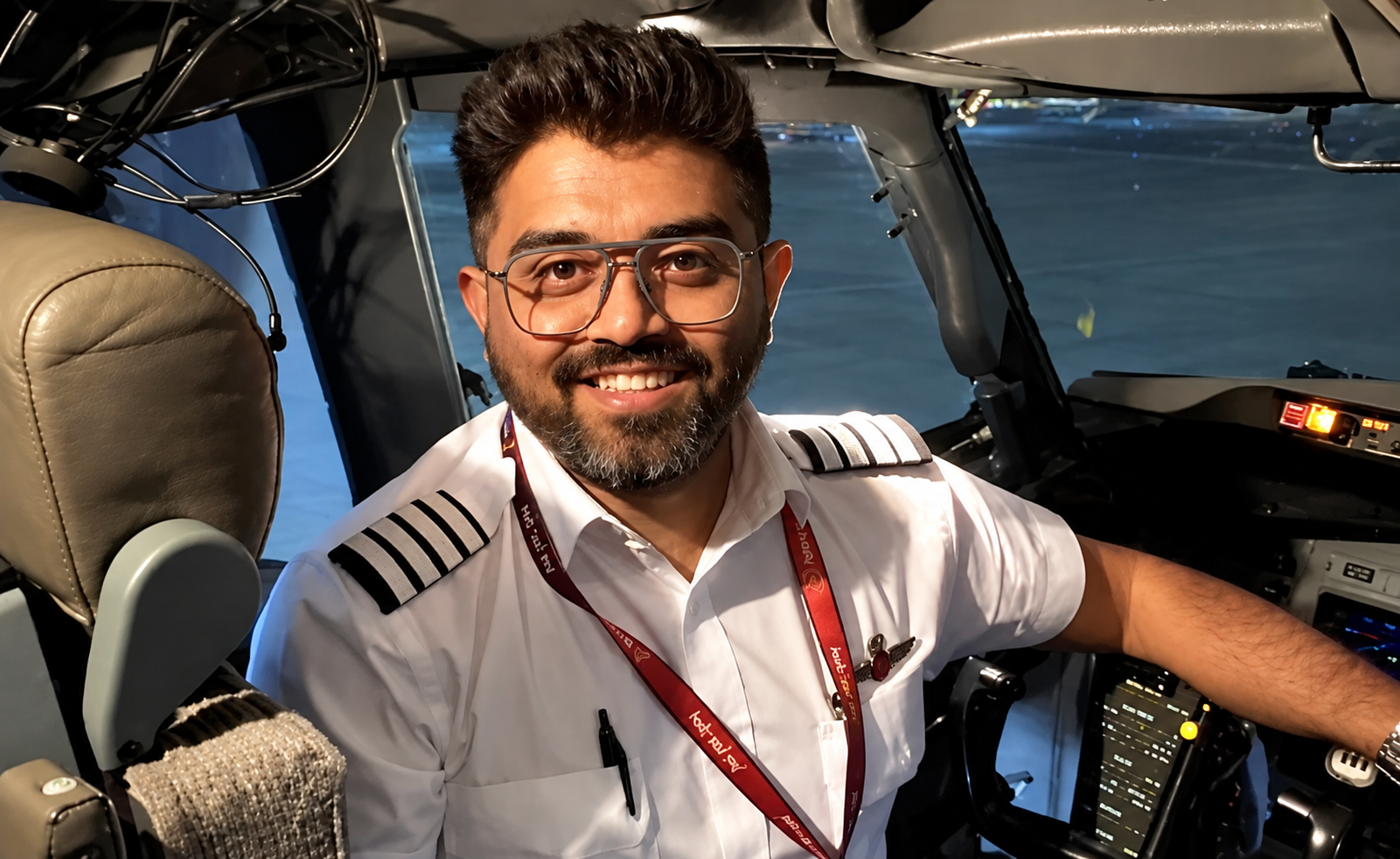
A discussion around a courageous moment on FlyDubai Flight 1073 spotlights Captain Smita Machchhar's quick thinking. A passenger described to Prime Minister Benjamin Netanyahu how, before losing consciousness, Machchhar reportedly opened the cockpit door, enabling others to access the cockpit and help save the aircraft. Netanyahu later praised Machchhar on X, saying that had the cockpit door remained shut, it might have prevented inside help from reaching the plane. His account asserts that Machchhar's decision played a crucial role in saving lives aboard.
The conversation about bravery among Indian airline crew members is not new. The story of Neerja Bhanot, a senior flight attendant aboard Pan Am Flight 73 in 1986, is recalled in this context. The hijacking began while the aircraft was en route from Mumbai to New York via Karachi and Frankfurt. The flight carried hundreds of passengers and crew members, and the hijackers planned to blow up the plane. Neerja alerted the pilots, and the crew evacuated via emergency exits and a cockpit route during a long standoff that lasted about 16 hours. As darkness fell, Neerja opened the aircraft's emergency door, allowing passengers to escape. While most had exited, three young children remained inside. Neerja helped them out as hijackers targeted her; she did not survive the gunfire that followed. The hijackers, identified as Palestinian militants, faced subsequent legal action in the United States. Reports later documented the crew's experiences, including their reflections on moments when doors and exits were used and the terror of the attackers.
Over the years, survivors and witnesses have continued to discuss the trauma and the lessons from these events. One flight attendant recalled considering wing exits but realizing that doing so would endanger other passengers. The broader narrative remains a reminder of the pressures faced by cabin crew during crises and the complex choices that can influence survival outcomes.