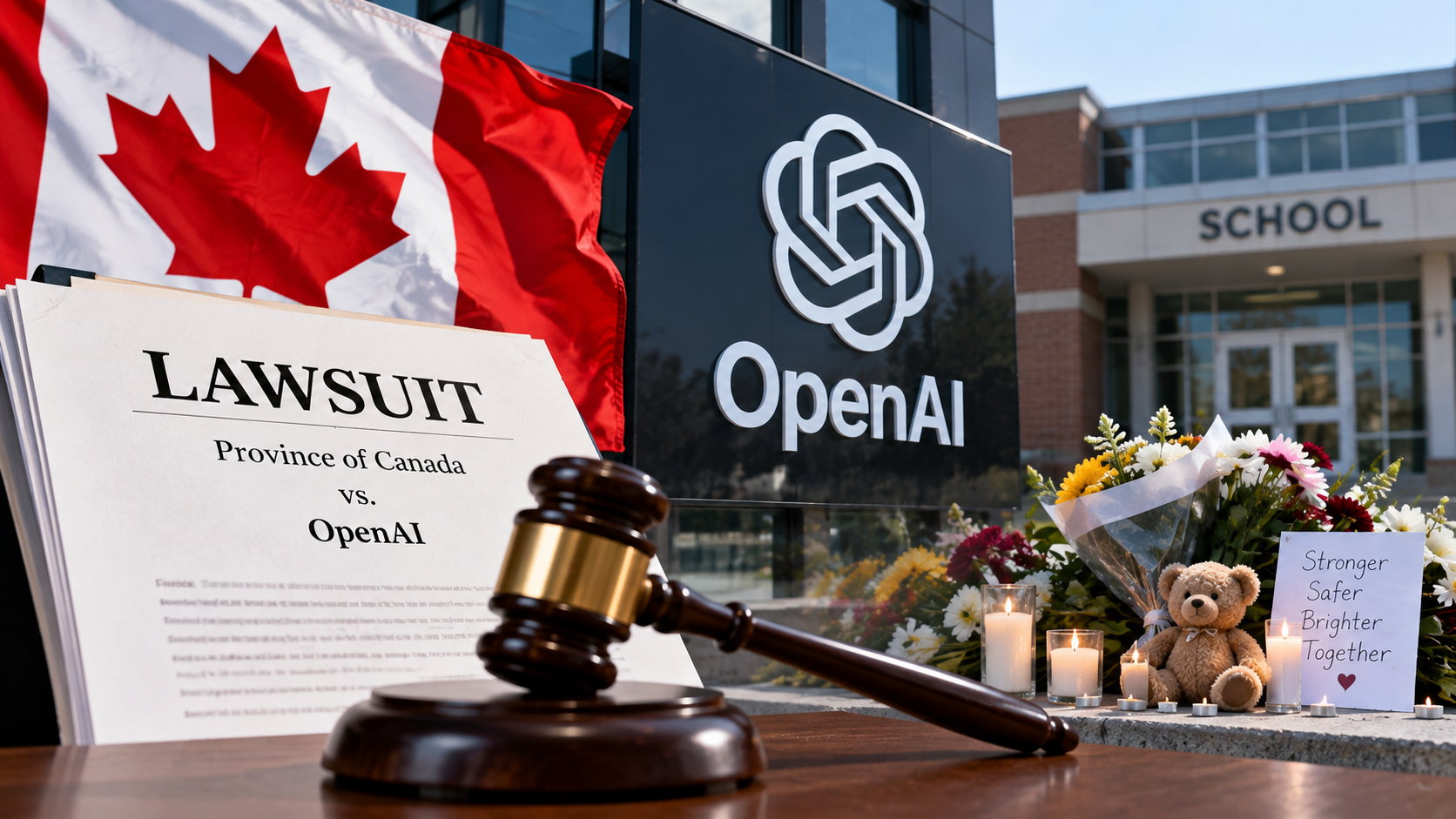
British Columbia has filed a lawsuit against OpenAI in California over the company’s alleged failure to report violent activity on ChatGPT by the person responsible for the Tumbler Ridge school shooting.
Attorney General Niki Sharma said the province is seeking “accountability and change” from the US technology company. The case was filed on Monday, after Sharma said in July that British Columbia intended to take legal action over OpenAI’s connection to the February gun violence in the western Canadian province.
Why British Columbia chose California
Reporters asked Sharma why the province brought its case in California rather than British Columbia. She said the alleged decision not to report the activity took place in California.
“What we’re alleging in our claim is that AI knew that there were serious things happening in that chat and they failed to report,” Sharma said.
The province has not specified how it might use any settlement funds. Sharma said resources would be devoted to building a new school in Tumbler Ridge.
The lawsuit concerns an account linked to Jesse Van Rootselaar, an 18-year-old transgender woman. Van Rootselaar killed her mother and brother at the family home before going to the local secondary school, where 5 children and a teacher were killed. She died from a self-inflicted gunshot wound after police entered the building.
OpenAI’s response
OpenAI previously apologised for not flagging the account. In April, Chief Executive Officer Sam Altman said in a public letter that he was “deeply sorry that we did not alert law enforcement to the account that was banned in June”.
The company has said it did not report the account when it was suspended because it found no evidence of an imminent attack. OpenAI has also said that security guidelines imposed after June 2025 would have required the account to be reported to police.
Separate family lawsuits
Families affected by the Tumbler Ridge shooting have filed separate lawsuits against OpenAI in California. The company has moved to dismiss those cases, arguing that legal actions related to the shootings should be heard in British Columbia.
Lawyers representing the families allege that OpenAI remained silent because “reporting one case would mean reporting thousands”. Their lawsuit also claims that, after an account is shut down for dangerous behaviour, OpenAI tells users how to resume using the service, including ways to bypass the 30-day suspension period.
The financial damages available through a Canadian court would likely be substantially smaller than a prospective award from a US court, according to the report.
Conclusion
British Columbia’s case places OpenAI’s account-monitoring and reporting decisions at the centre of a legal dispute over the Tumbler Ridge shooting. The province is seeking accountability, while the venue and claims in the separate family lawsuits remain contested.
Frequently Asked Questions
Q. What is British Columbia suing OpenAI over?
The province alleges that OpenAI failed to report violent activity on ChatGPT linked to the person responsible for the Tumbler Ridge shooting.
Q. Where was British Columbia’s lawsuit filed?
It was filed in California.
Q. Who is Niki Sharma?
Niki Sharma is British Columbia’s attorney general.
Q. What has OpenAI said about the account?
OpenAI said it saw no evidence of an imminent attack when the account was suspended and later apologised for not alerting law enforcement.
Q. Are families also suing OpenAI?
Yes. Families affected by the shooting have filed separate lawsuits against the company in California.
Q. What does OpenAI want in the family cases?
OpenAI has moved to dismiss those lawsuits, arguing that they should be heard in British Columbia.
Q. What happened at the Tumbler Ridge school?
5 children and a teacher were killed at the local secondary school. The person responsible later died from a self-inflicted gunshot wound.