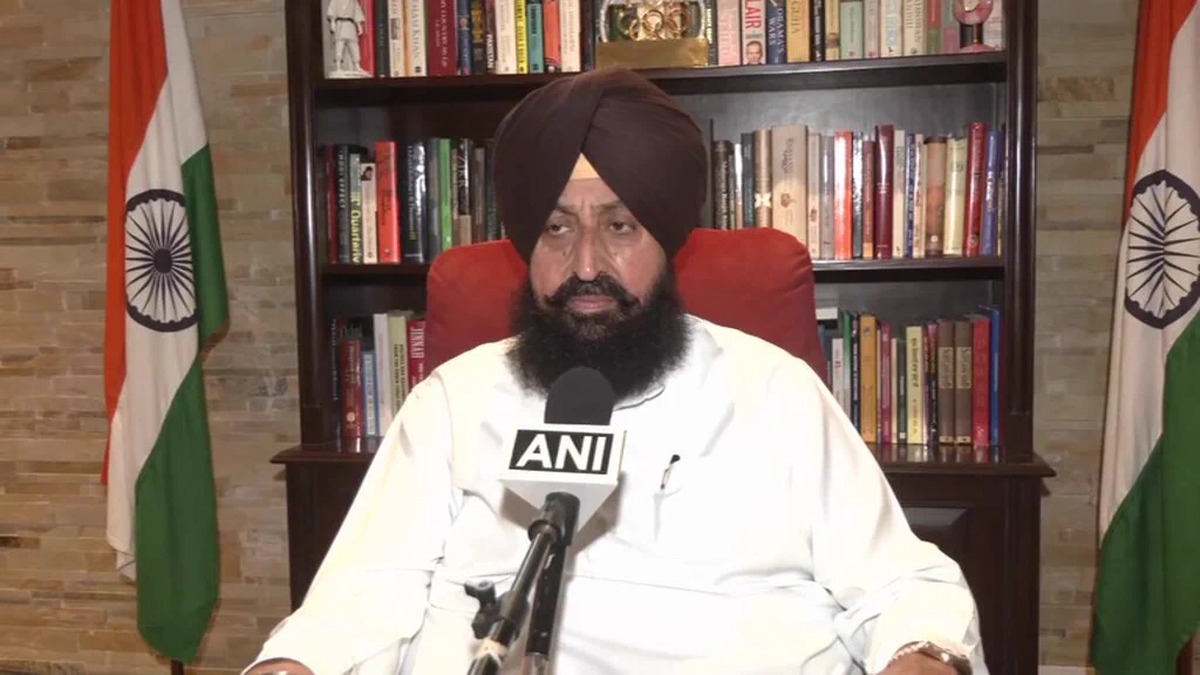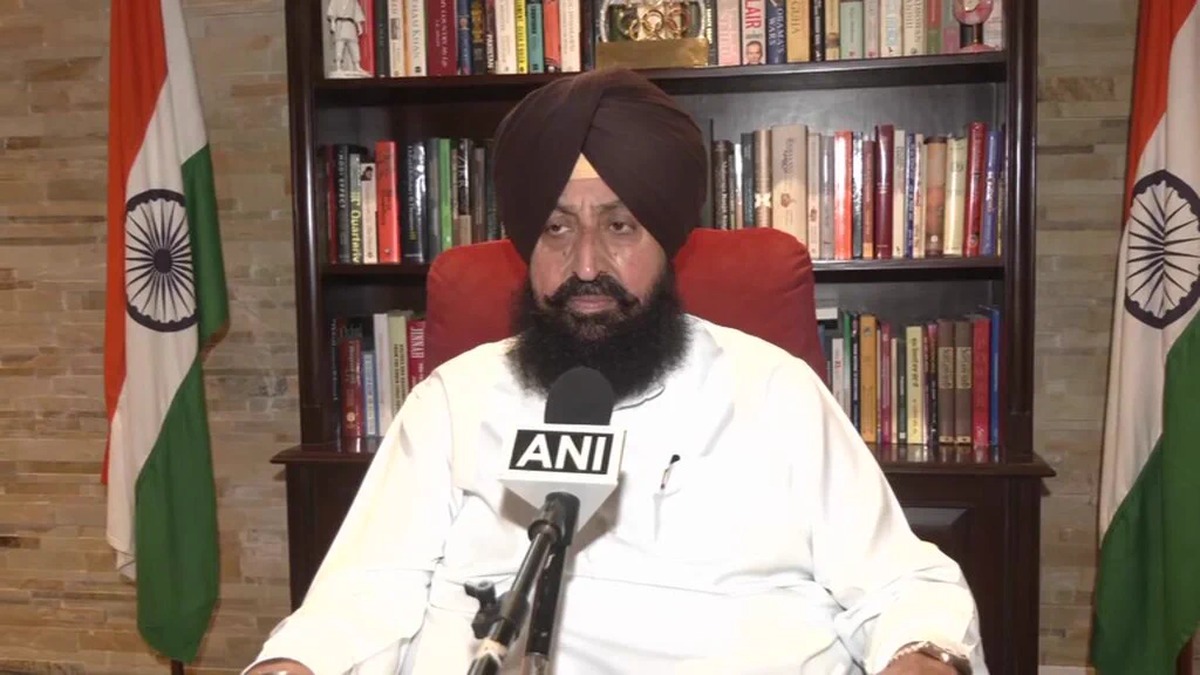
The BJP won 32 seats in the Silchar local elections in Assam, while Congress was limited to 2 seats. The result has drawn a sharp political response from Chief Minister Himanta Biswa Sarma, who mocked the party over its criticism of electronic voting machines.
The Silchar election was conducted using ballot papers rather than electronic voting machines. Sarma said this made the result particularly significant for his political argument, claiming that Congress could not win even when voting was held through paper ballots.
Silchar election result
The local body has 42 wards. Voting took place in 40 wards on 3 October, while BJP candidates in ward 9 and ward 20 were elected unopposed. The two candidates were Bijendra Prasad Singh and Bhakti Sen Talukdar.
Across the full result, BJP won 32 seats. The Asom Gana Parishad secured 2 seats, Congress won two, and independent candidates took 6 seats. Congress's two-seat tally placed it behind both the BJP and independent candidates.
The result came while demonstrations were taking place against the Special Intensive Revision, referred to in the report as SIR. The report described the outcome as a major setback for Congress in Silchar.
Sarma's attack on Congress
Sarma said Congress regularly opposes electronic voting machines but had also lost an election conducted through ballot papers. He argued that voters understand the ballot process, while suggesting that some people may become nervous when they see a machine and could mark the wrong place.
He also said the party had failed to receive support in 10 seats that, in his assessment, could have been won with votes from religious minorities. According to Sarma, Congress still secured only 2 seats in those areas, while independent candidates won five.
Sarma presented the result as evidence for a political message that Congress could lose under both voting systems. His remarks were directed at the party's position on electronic voting machines and its performance in the Silchar contest.
What the result shows
The available figures show a clear difference between BJP's performance and Congress's tally in the Silchar local elections. BJP's 32 seats formed the largest share of the 42-ward result, while Congress won the same number of seats as the Asom Gana Parishad.
The result also shows that independent candidates won 6 seats, placing them ahead of Congress in the final distribution. Sarma highlighted this outcome while arguing that Congress had not received the support it expected in parts of the area.
Conclusion
BJP won 32 of the 42 Silchar local election seats, while Congress won two in a ballot-paper contest. Chief Minister Himanta Biswa Sarma used the result to criticise Congress's opposition to electronic voting machines.
Frequently Asked Questions
Q. How many seats did BJP win in Silchar?
BJP won 32 seats in the Silchar local elections.
Q. How many seats did Congress win?
Congress won 2 seats.
Q. Were electronic voting machines used in the election?
No. The Silchar election was conducted using ballot papers.
Q. How many wards does the local body have?
The local body has 42 wards.
Q. When was voting held in the contested wards?
Voting for 40 wards took place on 3 October.
Q. Which candidates were elected unopposed?
BJP candidates Bijendra Prasad Singh and Bhakti Sen Talukdar were elected unopposed from ward 9 and ward 20.
Q. How many seats did independent candidates win?
Independent candidates won 6 seats.
Q. What did Himanta Biswa Sarma say about the result?
Sarma said Congress had lost despite the election being held with ballot papers, and used the outcome to criticise its position on electronic voting machines.