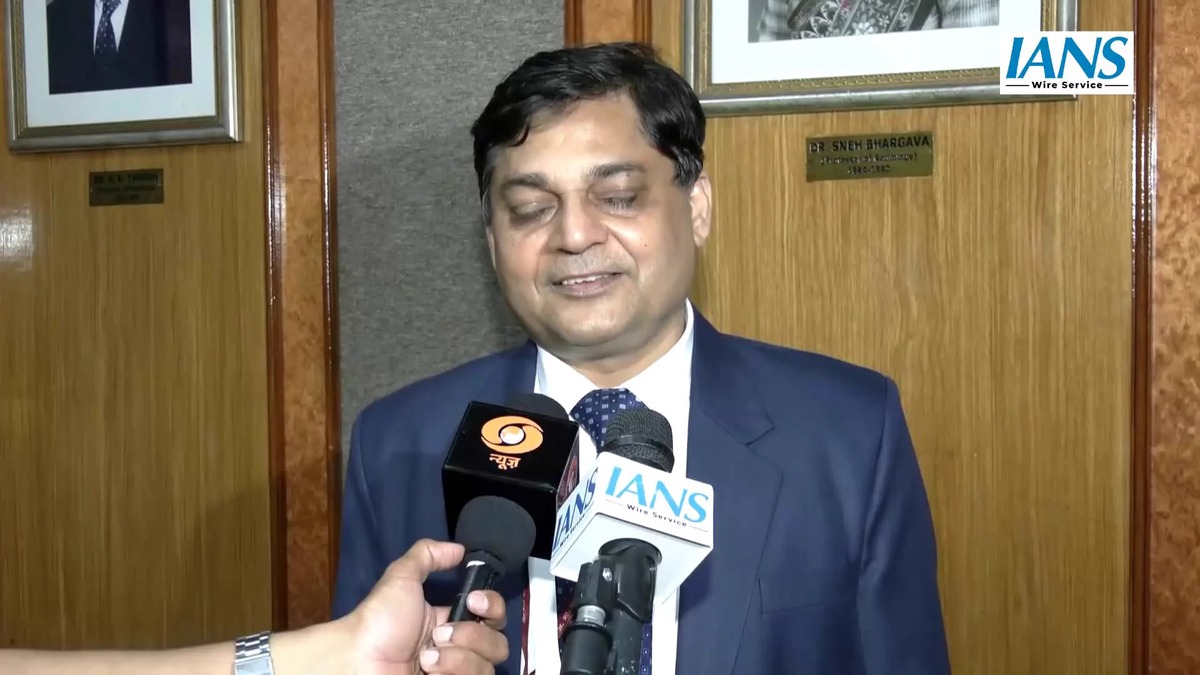
Dr. Praveen Vashist, Professor and Head of Community Ophthalmology at AIIMS, said a tool developed in collaboration with WHO Geneva has been used to assess refractive-error needs in Delhi.
The tool, called RESET, stands for the “Refractive Error Situation Analysis Tool”. Dr. Vashist said its use helped produce a comprehensive report covering the issues, gaps and potential solutions related to refractive errors in the city.
The assessment has led to discussions about an action plan for Delhi. The proposed plan would focus on providing spectacles to people of all ages who need them.
What the RESET assessment found
According to the RESET tool, approximately 30% of Delhi's population needs spectacles and would benefit from wearing them. Dr. Vashist described this as one in every 3 people.
The finding places refractive-error correction at the centre of the meeting being held in Delhi. The discussion is focused on the citywide response and the preparation of an action plan for spectacle provision.
Officials attend the Delhi meeting
A Joint Secretary from the Government of India is attending the meeting, along with the State Program Officer, Chief District Medical Officer and District Program Officer from the Delhi Government.
An AIIMS team is also present. Their participation brings together officials from the central government, Delhi Government and AIIMS for discussions on the reported need for spectacles.
The available information identifies the meeting as the current step after the RESET-based report. It does not provide details about the action plan's final design, implementation schedule or delivery arrangements.
Conclusion
The RESET assessment has identified a reported need for spectacles among approximately 30% of Delhi's population, while officials and an AIIMS team discuss a citywide action plan for people who require them.
Frequently Asked Questions
Q. What is the RESET tool?
RESET is the “Refractive Error Situation Analysis Tool”. It was developed in collaboration with WHO Geneva.
Q. Who discussed the RESET assessment?
Dr. Praveen Vashist, Professor and Head of Community Ophthalmology at AIIMS, discussed the assessment and the proposed action plan.
Q. What did the assessment report cover?
It covered issues, gaps and potential solutions related to refractive errors in Delhi.
Q. How many people in Delhi reportedly need spectacles?
According to the RESET tool, approximately 30% of Delhi's population needs spectacles and would benefit from wearing them.
Q. Who attended the meeting?
A Joint Secretary from the Government of India, Delhi Government officials and an AIIMS team attended the meeting.