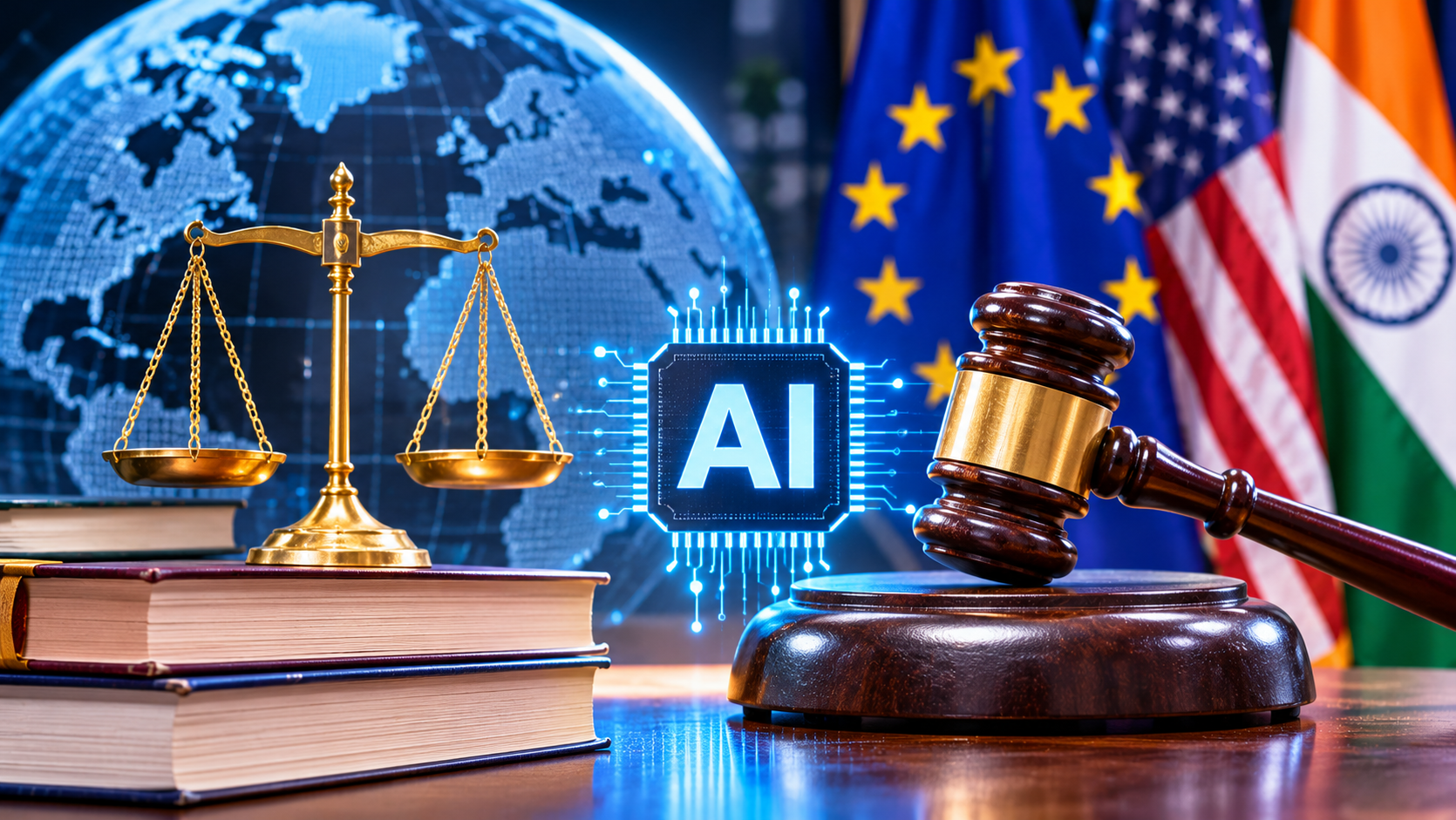
The debate over who should regulate artificial intelligence is gaining importance as governments consider how to address the technology's risks without blocking its potential benefits. An explainer published by The Hindu examines the question of who sets the rules for AI.
India's next reported step is a consultation paper expected within a month. The Hindu reported on 8 October 2026 that Electronics and Information Technology Minister Ashwini Vaishnaw identified safety and deepfakes among the key areas of focus.
Why the debate matters
Artificial intelligence raises questions about safety, responsibility and the spread of manipulated or misleading content. Deepfakes are among the issues highlighted in the reported Indian regulatory discussion, making the debate relevant to people who encounter AI-generated material online.
The central policy question is whether AI should be governed through new dedicated rules, existing legal frameworks, or a combination of approaches. The supplied material does not specify which model India will adopt.
The issue is also being discussed internationally. A 14 August 2026 report by The Hindu described Europe's AI rules as a possible opportunity for India, linking overseas regulation with India's technology and policy choices. The supplied background does not provide further details of that assessment.
Balancing benefits and risks
OpenAI chief executive Sam Altman was reported by The Hindu on 5 October 2026 as saying that AI's benefits warrant accepting some risks. That view reflects one side of the wider policy debate, although the supplied material does not identify the specific risks or safeguards discussed.
The regulatory discussion therefore involves competing priorities. Policymakers must consider safety and harmful uses while also accounting for the potential benefits of AI. The available material does not establish the final position of the Indian government or any completed regulatory framework.
What happens next
The consultation paper is the next identified step in India's process. Its publication would provide more information about the government's proposed approach, including how it intends to address safety and deepfakes.
The supplied material does not state the consultation paper's exact publication date, the agency responsible for enforcing any future rules, or whether Parliament will be asked to approve legislation. Those details remain unavailable in the material provided.
Conclusion
India's AI regulation debate is moving towards a consultation paper focused, among other issues, on safety and deepfakes. The paper is expected within a month, but the country's final regulatory model has not yet been established.
Frequently Asked Questions
Q. What is the main issue in the AI regulation debate?
The main issue is who should set the rules governing artificial intelligence and how its risks should be addressed.
Q. What is India expected to publish?
India is expected to publish a consultation paper within a month.
Q. Which issues has Ashwini Vaishnaw identified?
Ashwini Vaishnaw identified safety and deepfakes as key focus areas.
Q. What are deepfakes in this context?
The supplied material identifies deepfakes as a key focus area in AI regulation but does not provide a further definition.
Q. What position did Sam Altman reportedly express?
The Hindu reported that Sam Altman said AI's benefits warrant accepting some risks.
Q. Has India finalised its AI rules?
The supplied material does not establish that India has finalised a regulatory framework.