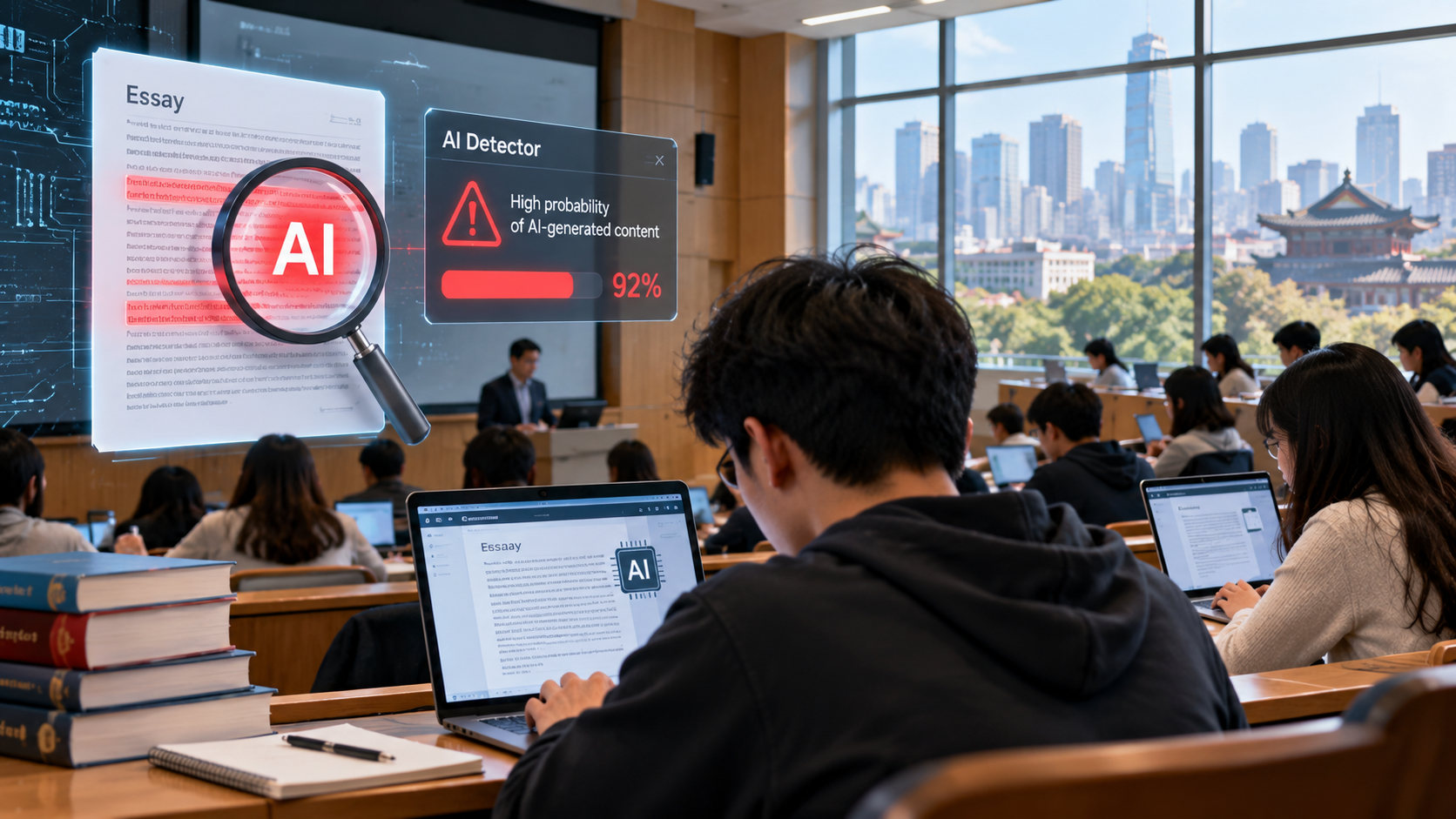
Artificial intelligence is advancing across customer service, medical diagnosis, coding and content creation, with the potential to raise productivity and stimulate economic activity. Yet the benefits of this transformation may not reach workers and households quickly, according to an article published in India Narrative.
The article links this risk to the economic idea known as the “Engels Pause”. It describes a period in which productivity and wealth rise rapidly while ordinary workers see delayed improvements in income and living standards.
Lessons from earlier industrial change
Britain's Industrial Revolution is presented as an example. Industrial output grew sharply during the nineteenth century, but improvements in workers' earnings and living conditions took considerable time. The historical experience suggests that technological progress does not automatically distribute its gains evenly across society.
Earlier industrial transformations also created large numbers of jobs by establishing entirely new sectors. Textiles generated factory employment, automobiles expanded manufacturing and services, and the digital revolution led to software, e-commerce and platform-based businesses.
Artificial intelligence could likewise create occupations that are difficult to imagine today. However, the transition could be challenging before new opportunities become widely available.
Why India faces a major shift
The change has particular importance for India, which built a strong global position through labour-intensive services including information-technology outsourcing, business-process management and customer support.
The article warns that artificial intelligence can now perform several tasks, including basic coding, data entry, customer assistance and document processing, at lower cost and greater speed. That could place pressure on employment in activities that have supported India's service economy.
At the same time, artificial intelligence could create significant opportunities across the country. The article identifies agriculture, healthcare, logistics, education and governance as areas where the technology may improve productivity, access or efficiency.
Indian startups are also developing artificial-intelligence solutions in fintech, language technology and other fields. These developments could support new applications and businesses, although the article does not suggest that the transition will be automatic or evenly shared.
Skills and social protection
The central challenge, according to the article, is not simply adopting artificial intelligence. It is ensuring that productivity gains reach a broad section of society instead of remaining concentrated among a small number of large companies.
The historical discussion notes that governments initially responded too slowly when industrialisation worsened workers' conditions and increased inequality. Later, worker movements, labour rights, public education and social-welfare policies helped create a greater balance.
For the artificial-intelligence era, the article argues that similar institutional preparation will be needed. Policymakers will have to prepare in advance for changes in the employment market so that technological change does not contribute to social instability.
It also calls for large-scale investment in digital education, upskilling and reskilling. Universities and vocational-training institutions will need to adjust their courses to changing skill requirements.
Social-protection systems, the article adds, should be strengthened for workers affected by technological change. Together, training and support measures are presented as important ways to help people manage the employment transition.
Conclusion
Artificial intelligence may expand productivity and open new economic opportunities, but the article warns that shared prosperity could take time. India's response will depend on preparation through skills development, adaptable education and stronger support for affected workers.
Frequently Asked Questions
Q. What is the main concern about artificial intelligence?
The concern is that productivity and wealth may increase before ordinary workers experience higher incomes or better living standards.
Q. What does “Engels Pause” mean?
It refers to a period when productivity and wealth rise quickly, while improvements in workers' incomes and living standards are delayed.
Q. Which Indian jobs could face pressure?
Basic coding, data entry, customer assistance and document processing are identified as tasks that artificial intelligence may perform at lower cost and greater speed.
Q. Which areas could benefit from artificial intelligence in India?
The article identifies agriculture, healthcare, logistics, education and governance as areas with potential benefits.
Q. Could artificial intelligence create new jobs?
It could create new occupations and industries, although the transition before those opportunities become widely available may be difficult.
Q. What preparation does the article call for?
It highlights digital education, upskilling, reskilling, updated institutional courses and stronger social-protection systems.