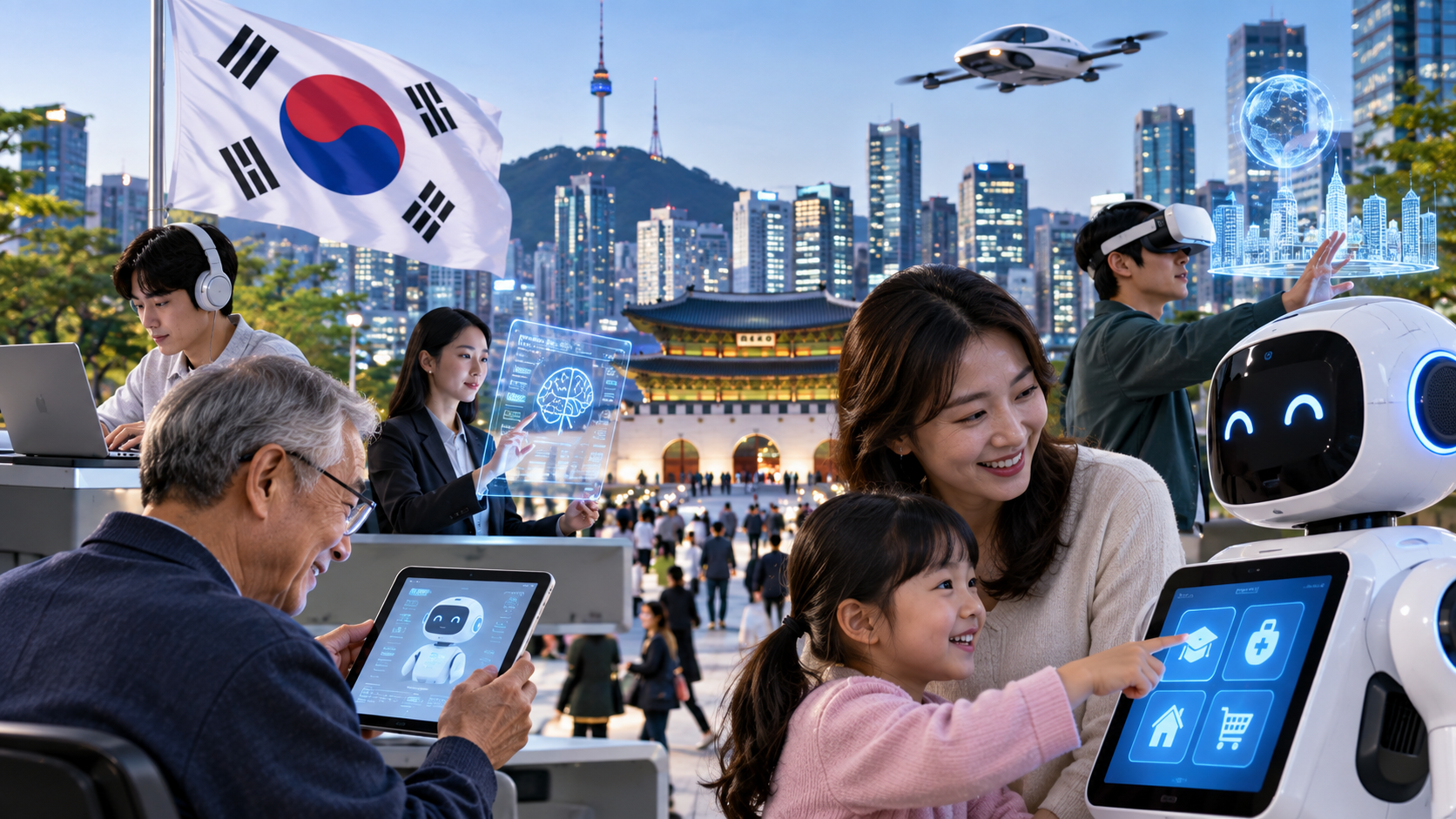
दक्षिण कोरिया हर नागरिक को मुफ्त artificial intelligence access देने की तैयारी कर रहा है। राष्ट्रपति ली जे म्यॉन्ग की ‘AI for All’ initiative का मकसद technology तक पहुंच की बाधाएं घटाना और उसके फायदे ज्यादा लोगों तक पहुंचाना है। सरकार AI को अस्पतालों, स्कूलों, सरकारी दफ्तरों और रोजमर्रा की सेवाओं में शामिल करना चाहती है।
इस योजना का beta version इसी महीने शुरू होने वाला है। इसमें 3 consortiums द्वारा विकसित free और unlimited general-purpose chatbots तथा AI agents शामिल होंगे। इन consortiums की अगुवाई telecom कंपनियां SK Telecom, KT और Kakao कर रही हैं। सरकार ने उन्हें Nvidia B200 graphics processing units भी उपलब्ध कराए हैं।
योजना कैसे काम करेगी
दक्षिण कोरिया ने मौजूदा financial year के लिए AI पर 10 trillion won का budget रखा है। 2027 तक rollout के लिए 250 billion won अतिरिक्त allocated किए गए हैं। अगले साल से temporary trial को permanent, taxpayer-funded public utility में बदलने की योजना है।
आगे चलकर नागरिक AI intermediaries की मदद से doctor’s appointment book कर सकेंगे, घर तलाश सकेंगे और tax advice ले सकेंगे। सरकार का लक्ष्य AI को अलग-अलग public systems से जोड़ना है, हालांकि इस पूरी प्रक्रिया की अंतिम रूपरेखा अभी सामने नहीं आई है।
सरकार का कहना है कि free access से AI का फायदा केवल कुछ लोगों तक सीमित नहीं रहेगा। दक्षिण कोरिया technology को shrinking workforce से निपटने और export-driven economy को मजबूत करने के साधन के तौर पर भी देख रहा है। उसका लक्ष्य United States और China के साथ दुनिया की 3 leading AI powers में शामिल होना है।
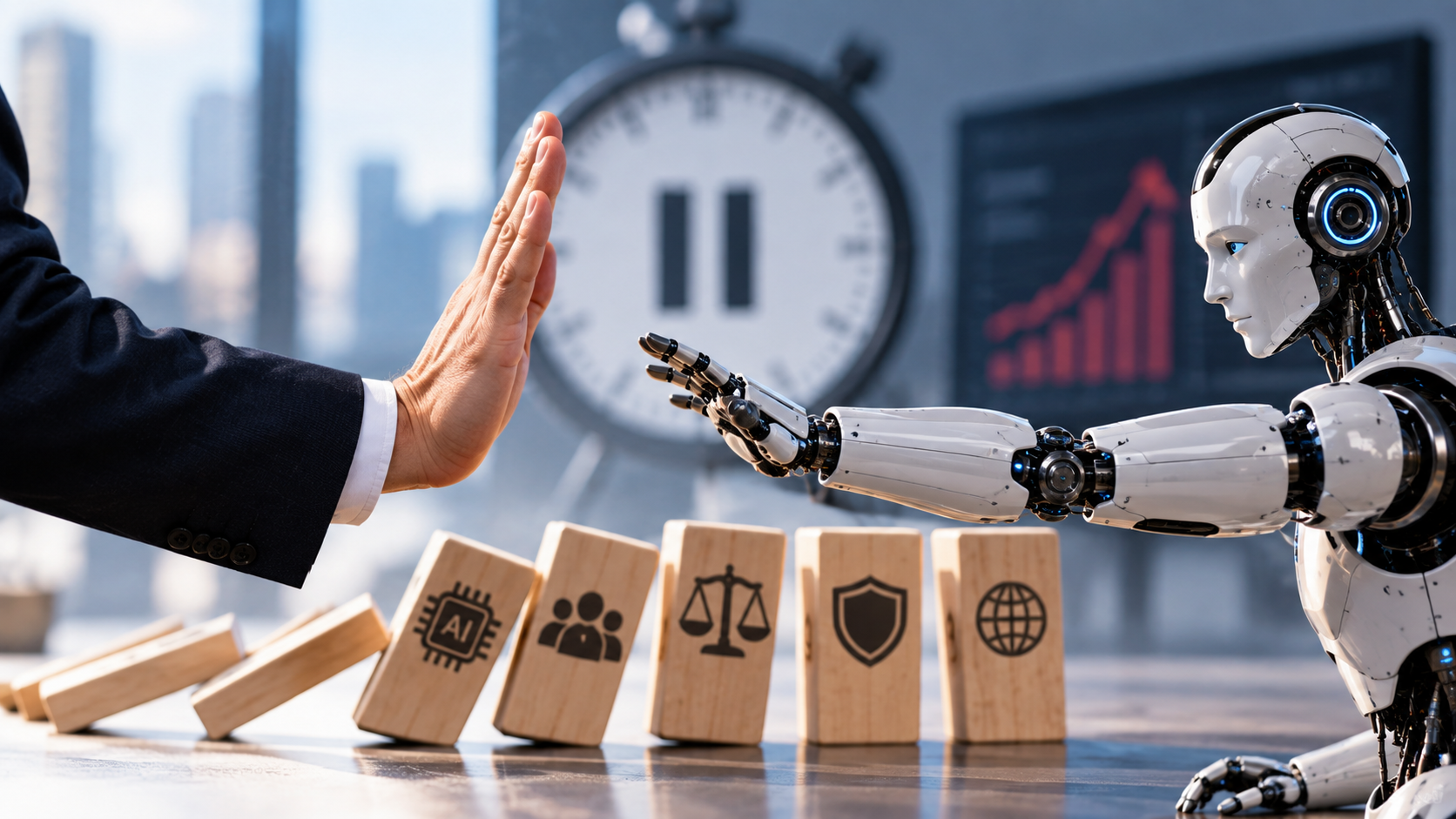
इस महत्वाकांक्षी rollout के साथ सरकार ने oversight की व्यवस्था भी रखी है। जनवरी में लागू हुआ AI Basic Act human-in-the-loop oversight, mandatory impact assessments और synthetic content की clear watermarking का प्रावधान करता है।
State-funded AI Safety Institute को public AI utilities की reliability, security और जवाबदेही जांचने की जिम्मेदारी दी गई है। Science and ICT मंत्रालय के अनुसार, autonomous reliability-assurance system तैयार किया जाएगा। इसके लिए accountability, human-centredness, privacy protection और fairness समेत 7 AI Ethics Principles का इस्तेमाल होगा।
Foreign platforms पर निर्भरता का सवाल
दक्षिण कोरिया में 51.6 million लोगों में से करीब 2-thirds ने AI का इस्तेमाल किया है या वे नियमित users हैं। Government figures के अनुसार, OpenAI के ChatGPT के 23.45 million active users हैं। Google के Gemini के 8.45 million और Anthropic के Claude के 2.41 million active users बताए गए हैं।
मंत्रालय ने माना है कि foreign AI platforms तक पहुंच हमेशा guaranteed नहीं हो सकती। किसी foreign government या company के फैसले से इनकी availability कभी भी सीमित हो सकती है। इसी चिंता के बीच Science and ICT Minister Bae Kyung-hoon ने जुलाई में इस साल के अंत तक cybersecurity-focused घरेलू AI model बनाने की योजना बताई थी।
Busan International Finance Centre में Unicup Coffee चलाने वाले Bae Kyung-han का अनुभव इस बहस का कारोबारी पक्ष दिखाता है। उन्होंने करीब एक साल पहले promotional s और menu s बनाने के लिए generative AI सीखना शुरू किया था। अब AI उनके research, proposal development, communication और advertisements में इस्तेमाल हो रहा है।
उनके cafe में 5 employees customer orders संभालते हैं। हर महीने करीब 13,000 customers serve किए जाते हैं। Bae के अनुसार, card sales competitors की तुलना में लगभग double हैं। उन्होंने एक दूसरा business भी शुरू किया है, जिसमें लोगों को chatbots से बेहतर सवाल पूछना सिखाया जाता है।
Bae का मानना है कि AI ने staff management का psychological burden घटाया है। वह schedule coordination, instructions दोहराने और employees की feelings manage करने की जरूरत कम होने की बात कहते हैं। लेकिन उन्हें संदेह है कि लोग free domestic general-purpose chatbot के लिए premium foreign tools छोड़ेंगे। उनके अनुसार, specialised और purpose-built models कारोबारों के लिए ज्यादा उपयोगी हो सकते हैं।
Jobs market में बदलाव
Seoul की Yonsei University में jobs fair के दौरान technology कंपनियां graduates को आकर्षित करने में जुटी थीं। Electronic engineering student Kwon Il-geun ने कहा कि AI tools इस्तेमाल करने की उनकी skills पिछले साल में करीब double हुई हैं। वह Samsung Electronics या SK Hynix में काम करना चाहते हैं।
लेकिन AI से मिलने वाले लाभ सब तक समान रूप से नहीं पहुंच रहे। Central bank के अनुसार, 15 से 29 साल के employed South Koreans की संख्या जून 2022 से इस साल जून के बीच 285,000 घट गई। इस गिरावट का 94 per cent हिस्सा publishing, IT services और computer programming जैसे automation-exposed sectors में था।
Korea Development Institute ने जुलाई में अनुमान लगाया कि अगले 10 साल में AI हर साल करीब 256,000 jobs खत्म कर सकता है। इसका असर students की career choices पर भी पड़ा है। Graphic design और coding सिखाने वाली academies में enrolment घटने की खबर है, जबकि stable public-sector careers की तैयारी कराने वाले institutions में interest बढ़ा है।
Seoul की SKY Entrance Exam Academy में military और policy preparation track का enrolment पिछले साल की तुलना में 70 per cent बढ़ा है। Recent school leaver Yun Ji-sang officer training और military career चुनने की तैयारी कर रहे हैं। उनके अनुसार, stable job और pension की वजह से यह रास्ता उन्हें आकर्षित करता है।
Chosun Daily की 9 सितंबर की report के अनुसार, 15 से 29 साल के employed South Koreans की संख्या पिछले साल की तुलना में अगस्त में 143,000 कम थी। यह लगातार 46वां महीना था, जब इस age group में employment decline दर्ज हुई। Ministry of Personnel Management के अनुसार, nationwide civil servant recruitment इस साल 5 साल में पहली बार बढ़ी।
Seoul National University के law professor Ko Hak-soo के अनुसार, generative AI ने automation से जुड़े पुराने अनुमान बदल दिए हैं। पहले कम formal education वाले workers को ज्यादा जोखिम में माना जाता था। अब professional occupations, खासकर entry-level और junior roles, पर भी खतरा बढ़ता दिख रहा है।
South Korea’s AI Safety Institute के executive director Kim Myuhng-joo ने कहा कि AI कंपनियां coding के लिए AI का इस्तेमाल बढ़ा रही हैं। इससे junior-level developers की जरूरत घट सकती है। उन्होंने यह भी चिंता जताई कि AI era में बड़े होने वाले workers technology के बिना काम करने की जरूरी skills विकसित नहीं कर पाएंगे।
Deepfake crimes की चुनौती
दक्षिण कोरिया में AI को लेकर सबसे तात्कालिक डर criminal misuse से जुड़ा है। 2020 के Nth Room case और बाद के scandals के बाद देश ने 2024 में deepfake laws मजबूत किए। ऐसे sexually exploitative material को बनाने पर 7 साल तक की prison sentence या 50 million won का fine हो सकता है। इसे रखने या जानबूझकर देखने पर 3 साल तक की prison sentence या 30 million won का penalty हो सकता है।
फिर भी police ने पिछले साल deepfake से जुड़े 1,553 offences दर्ज किए। Amnesty International Korea के forum में पेश statistics के अनुसार, ये reported cybersex crimes का 35 per cent से ज्यादा थे। इस साल के पहले 6 महीनों में police ने deepfake offences के 419 suspects पकड़े। इनमें से 17 trial का इंतजार करते हुए physically detained थे।
National Office of Investigation ने कहा कि police response technologies विकसित की जा रही हैं। इनमें forensic video expertise बढ़ाना और AI-assisted detection tools का इस्तेमाल शामिल है।
Digital sex crimes की जांच करने वाली Team Flame की director Won Eun-ji ने करीब 50 Telegram chat rooms में investigation की। उन्होंने कहा कि AI tools ने anonymous perpetrators की संख्या बढ़ाई है और victims की age कम हुई है। उनके अनुसार, कई शुरुआती leads अब भी victims से मिलती हैं और police को अपनी specialist capabilities मजबूत करनी चाहिए।
AI Safety Institute के Kim ने कहा कि AI access बढ़ाने से पहले उसके misuse और overuse का impact assessment जरूरी है। उन्होंने police undercover investigations, invisible watermarking और online platforms की ज्यादा सक्रिय भूमिका का समर्थन किया। Primary school से children को AI literacy और online crimes के बारे में education देने की जरूरत पर भी उन्होंने जोर दिया।
Classroom में AI का असर
Schools में AI को लेकर बहस learning और student behaviour दोनों पर है। Independent student-run newspaper Tokipul के 16 वर्षीय editor-in-chief Moon Sung-ho के अनुसार, कई students teachers से ज्यादा AI जानते हैं। कुछ students assignments पूरा करने के लिए AI का इस्तेमाल करते हैं, जबकि teachers के लिए इसे रोकना मुश्किल है।
South Chungcheong province के fifth-grade teacher Song Keun-sang ने पिछले साल AI-powered textbooks के 1.2 trillion-won plan के खिलाफ विरोध किया था। उनका अनुभव था कि classroom में इस्तेमाल के बाद AI उतना उपयोगी नहीं लगा, जितनी उम्मीद की गई थी। उनके अनुसार, AI सीधे answers दे देता है और students को दुनिया समझने की learning process से दूर कर सकता है।
Song ने यह भी चिंता जताई कि chatbots students को लगातार reassure करते हैं और उन्हें चुनौती या disagreement का सामना कम करना पड़ता है। उनका सवाल है कि बच्चों के लिए ऐसी technology का लगातार इस्तेमाल कितना beneficial है।
OECD के Programme for International Student Assessment के अनुसार, South Korean 15-year-olds ने 2006 में global reading charts में top किया था। 2025 में उनका average reading score देश के assessments में शामिल होने के बाद सबसे कम रहा। South Korea ने इन assessments में 2000 से हिस्सा लेना शुरू किया था।
Song का मानना है कि AI और online devices का बढ़ता इस्तेमाल academic achievement के साथ social skills को भी प्रभावित कर सकता है। Moon ने बताया कि उनके classmates और friends पहले internet cafes, football और homework help के लिए एक-दूसरे से जुड़ते थे। अब ऐसे सवालों के जवाब के लिए AI chatbots पर निर्भरता बढ़ रही है।
निष्कर्ष
South Korea का ‘AI for All’ programme technology access को public utility में बदलने की कोशिश है। इसके साथ jobs, education, deepfake crimes, privacy और AI dependency से जुड़े risks भी बढ़ रहे हैं। इसलिए free access की सफलता केवल rollout पर नहीं, बल्कि oversight, safety और human skills बचाए रखने पर निर्भर होगी।
अक्सर पूछे जाने वाले सवाल
Q. दक्षिण कोरिया की ‘AI for All’ योजना क्या है?
यह सरकार की वह initiative है जिसके तहत नागरिकों को free और unlimited AI access देने की तैयारी है।
Q. South Korea का free AI beta version कब शुरू होगा?
Beta version इसी महीने launch होने वाला है।
Q. इस योजना में कौन-सी कंपनियां शामिल हैं?
SK Telecom, KT और Kakao की अगुवाई वाले 3 consortiums AI chatbots और agents विकसित कर रहे हैं।
Q. South Korea ने AI rollout के लिए कितना budget रखा है?
मौजूदा financial year में AI budget 10 trillion won है। 2027 तक rollout के लिए 250 billion won अतिरिक्त allocated किए गए हैं।
Q. AI को South Korea की government services से कैसे जोड़ा जाएगा?
योजना के तहत citizens AI intermediaries के जरिए doctor’s appointments, house hunting और tax advice जैसी सेवाएं ले सकेंगे।
Q. South Korea में deepfake crimes की स्थिति क्या है?
Police ने पिछले साल 1,553 deepfake-related offences दर्ज किए। इस साल के पहले 6 महीनों में 419 suspects पकड़े गए।
Q. AI का South Korea के young workers पर क्या असर पड़ा है?
15 से 29 साल के employed लोगों की संख्या जून 2022 से इस साल जून के बीच 285,000 घटी। Automation-exposed sectors में इसका बड़ा हिस्सा दर्ज हुआ।
Q. South Korea में AI safety की निगरानी कौन करेगा?
State-funded AI Safety Institute public AI utilities की reliability, security और accountability का technical watchdog होगा।
Q. AI का schools और students पर क्या असर बताया गया है?
Educators ने assignments में AI dependency, reading performance और students की communication skills को लेकर चिंता जताई है।