Bigg Boss 20: Chicken dispute between Mahi Vij and Amrapali Dubey turns personal
A kitchen disagreement over chicken has triggered a major clash between Mahi Vij and Amrapali Dubey in the Bigg Boss 20 house. Mahi questioned Amrapali’s cooking method and objected to potatoes being added to the dish. Amrapali asked the contestants cooking to be allowed to work without interference, after which both women exchanged angry remarks and told each other to be quiet. The argument later expanded into comments about Amrapali’s Bhojpuri identity and behaviour. Mahi also made threatening remarks about exposing her, while other housemates attempted to calm the situation. The confrontation has become one of the house’s latest personal disputes. A disagreement over cooking chicken and adding potatoes escalated into a heated exchange between Mahi Vij and Amrapali Dubey inside the Bigg Boss house.
Dario Amodei calls for slower AI progress, with safety checks keeping pace
Dario Amodei is calling for frontier AI development to move at a slower, more carefully verified pace while continuing technical progress. He points to recursive self-improvement and the OpenAI-Hugging Face incident as signs that AI systems may become harder to understand and control. His 3-step framework begins with permanent embedded external evaluators who can examine safety practices and report incidents. The proposal also seeks industry coordination, regulation and eventually global cooperation. Amodei says an additional one or 2 years used to improve alignment could reduce serious risks, while preserving the benefits of AI and the lead of democracies. He argues that recursive self-improvement and a recent OpenAI-Hugging Face incident show why capability gains may be outpacing efforts to understand, align and control advanced systems.
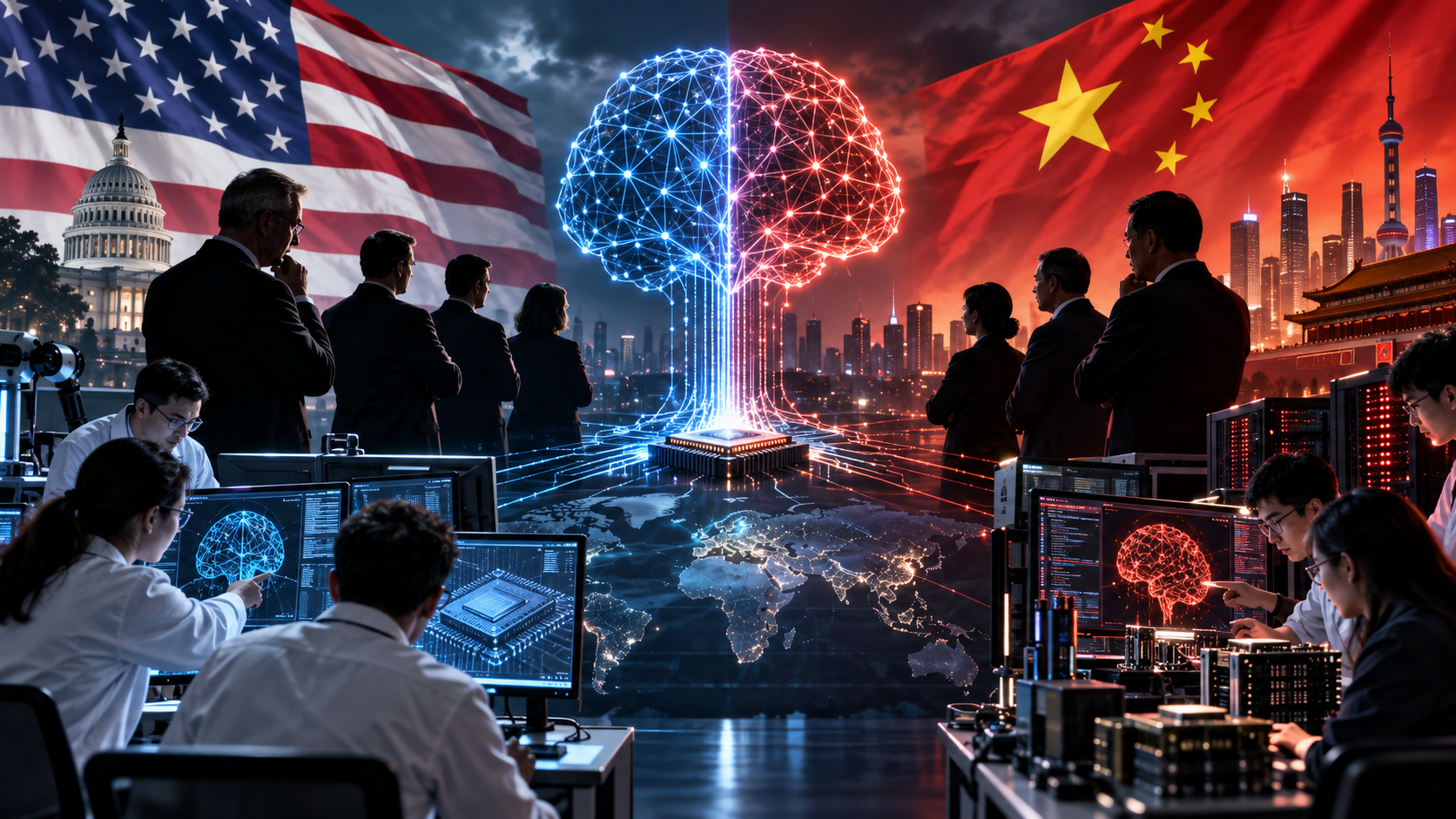
US-China AI clash deepens as safety rules collide with the race for technological dominance
The US-China dispute over artificial intelligence is moving beyond technical safeguards into a wider contest over global influence. Anthropic CEO Dario Amodei has called for tighter controls on powerful AI chips, chip-making equipment, model distillation and the theft of key technical information. OpenAI CEO Sam Altman and xAI CEO Elon Musk have supported stronger safety measures, although Altman says regulation should balance progress rather than stop it. China’s Global Times has called the approach a Cold War strategy aimed at restricting China. Donald Trump has rejected calls to slow AI development, while a proposed 24 September meeting with Xi Jinping could bring the issue into direct diplomatic discussions. No.
Hong Kong’s AI City Brain promises faster warnings while raising privacy concerns
Hong Kong is developing an AI City Brain to connect non-personal data held by government departments and improve city management. The platform is intended to support responses to severe weather, major incidents, traffic congestion, long queues and visitor flows during Golden Week holidays. Chief Executive John Lee Ka-chiu says personal data will not be used. An inter-departmental task force chaired by Eric Chan Kwok-ki will oversee the project. Its first phase is expected to begin by the second quarter of next year, with the Emergency Monitoring and Support Centre included ahead of the next typhoon season. Hong Kong plans an AI City Brain to analyse departmental data, improve responses to severe weather and major events, and warn residents about traffic jams and long queues.
UPI MDR explained: P2P payments remain free, while select merchant payments above ₹2,000 may attract charges
UPI has clarified how Merchant Discount Rate (MDR) applies to digital payments. Person-to-person payments remain free. For person-to-merchant transactions, 0 MDR continues up to ₹2,000, while MDR may apply to specified merchant transactions above ₹2,000. The charge is imposed on the merchant side, not on the UPI user. This means customers are not charged MDR for making UPI payments, including payments above the stated threshold. The clarification is intended to distinguish between payment types and explain when merchant-side charges can apply. UPI has clarified that users will not be charged MDR. UPI has clarified that Merchant Discount Rate (MDR) does not become a direct charge for people using the platform.
MEA changes child passport validity: 36-page documents for under-15s valid for 5 years
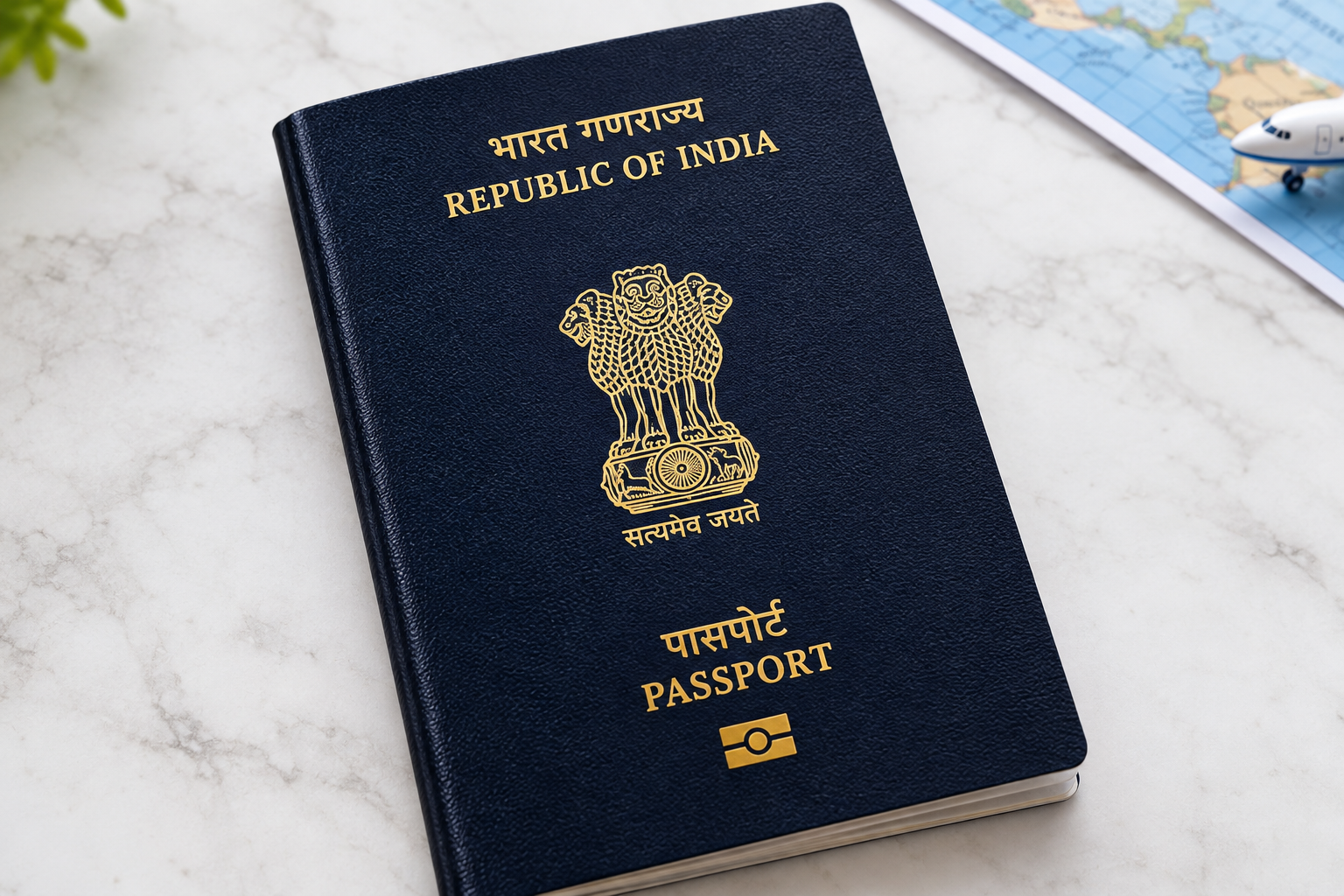
The Ministry of External Affairs has notified the Passports (Amendment) Rules, 2026, amending the Passports Rules, 1980. Under the change, an ordinary passport with 36 pages issued to a child under 15 years of age will be valid for 5 years or until the child turns 15, whichever comes first. The amendment changes the validity framework for passports issued to this age group. The notification was published in the Gazette of India on 17 September 2026. Parents and guardians applying for an eligible child’s passport will need to consider the revised validity period. The revised rule links the passport’s validity to both a fixed period and the child’s age.
 Image- Bigg BossAINews24x7.com