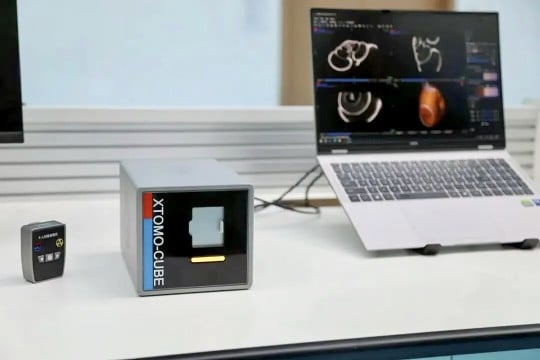
चीनी शोधकर्ताओं ने एक compact CT scanner विकसित किया है, जिसे छोटे fossils, archaeological relics और दूसरी वस्तुओं की अंदरूनी संरचना देखने के लिए fieldwork में इस्तेमाल किया जा सकता है। Xtomo-Cube नाम का यह device करीब 6kg वजन का है और इसे दुनिया का सबसे छोटा तथा हल्का CT system बताया गया है।
यह machine Shandong province स्थित Rayim ने बनाई है। इसका आकार desktop speaker के करीब है और इसे एक हाथ में पकड़ा जा सकता है। कंपनी के general manager और Chinese Academy of Sciences के senior engineer Liu Baodong के मुताबिक, इसी वजह से इसे ‘palm-sized CT scanner’ कहा गया है।
छोटे आकार में CT की सुविधा
Xtomo-Cube की spatial resolution 80 micrometres है। यह मोटाई लगभग इंसानी बाल की चौड़ाई के बराबर बताई गई है। Device snail shells से लेकर medicine capsules तक कई छोटी वस्तुओं का analysis कर सकता है।
इसकी बिजली खपत करीब 200 watts है। इसलिए fieldwork के दौरान इसे सामान्य portable power bank से चलाया जा सकता है। इससे उन जगहों पर scanning की संभावना बनती है, जहां बड़े hospital या industrial CT systems ले जाना मुश्किल होता है।
Machine के मुख्य हिस्से चीन में विकसित और manufactured किए गए हैं। इनमें X-ray source, rotating platform और detector शामिल हैं। Engineers ने इन components को 4-litre package में fit करते हुए fine imaging detail बनाए रखने की चुनौती का सामना किया।
पुराने छोटे CT scanner से तुलना
Science and Technology Daily के अनुसार, इससे पहले सबसे छोटे CT machine का record Germany में विकसित device के पास था, जिसका वजन 19kg था। Xtomo-Cube का वजन उससे काफी कम है।
एक सामान्य hospital CT scanner करीब 2 metres ऊंचा और चौड़ा होता है। उसका वजन लगभग 2 tonnes होता है। कुछ industrial systems इससे भी बड़े होते हैं और उनका वजन कई tonnes तक पहुंच सकता है।
CT यानी computed tomography में X-rays को कई angles से लिया जाता है। Computer इन s को जोड़कर किसी object या organism की internal structure का detailed 3D model बनाता है।
Fossils और research labs में इस्तेमाल
CT technology का इस्तेमाल hospitals में tumours, internal bleeding और दूसरी injuries या conditions की पहचान के लिए किया जाता है। यही technology fossils, archaeological finds और industrial components के अंदर देखने में भी मदद करती है, बिना उन्हें नुकसान पहुंचाए।
Xtomo-Cube को खास तौर पर छोटी वस्तुओं के लिए design किया गया है। Liu ने इसकी तुलना CT दुनिया की compact car से की। उनका कहना है कि यह हर तरह की scanning के लिए नहीं, बल्कि small objects के अंदर देखने के लिए बनाया गया है।
Device का relatively low-energy X-ray system इसे university classrooms और research labs के लिए भी उपयोगी बना सकता है। Commercial CT systems के मुकाबले इसके settings और raw imaging data users के लिए open रखे गए हैं। इससे students और researchers CT s collect, reconstruct और improve करने के तरीके पर प्रयोग कर सकते हैं।
CT technology का विकास
पहला clinical CT scanner 1971 में London में एक patient पर इस्तेमाल किया गया था। British engineer Godfrey Hounsfield द्वारा विकसित वह machine 3 metres लंबी थी। वह केवल patient के head का scan कर सकती थी और 2 2-dimensional s तैयार करने में करीब 5 minutes लेती थी।
आज CT scanners दुनिया भर के hospitals में नियमित रूप से इस्तेमाल होते हैं। इनके applications medical scanning से आगे बढ़कर archaeology, palaeontology और industrial inspection तक पहुंच चुके हैं।
Xtomo-Cube का design इसी विस्तार को छोटे और portable format में आगे ले जाने की कोशिश है। इसका कम वजन, सीमित power requirement और open imaging data इसे field research और teaching के लिए अलग तरह का option बनाते हैं।
निष्कर्ष
Xtomo-Cube ने CT scanning को छोटे fossils, relics और research objects के लिए अधिक portable format में पेश किया है। इसका 6kg वजन और करीब 200 watts power requirement fieldwork, classrooms और labs में इसके संभावित इस्तेमाल को खास बनाते हैं।
अक्सर पूछे जाने वाले सवाल
Q. Xtomo-Cube क्या है?
Xtomo-Cube एक portable CT scanner है, जिसे Rayim ने विकसित किया है।
Q. इस CT scanner का वजन कितना है?
इसका वजन 6kg है।
Q. Xtomo-Cube कितनी बिजली लेता है?
यह करीब 200 watts बिजली consume करता है।
Q. यह scanner किन वस्तुओं की जांच कर सकता है?
यह snail shells, medicine capsules, fossils और archaeological relics जैसी छोटी वस्तुओं का analysis कर सकता है।
Q. क्या यह scanner portable power bank से चल सकता है?
हां, इसकी करीब 200 watts power requirement के कारण इसे सामान्य portable power bank से चलाया जा सकता है।
Q. CT scanner अंदर की तस्वीर कैसे बनाता है?
CT scanner कई angles से लिए गए X-ray s को computer की मदद से जोड़कर internal structure का 3D model बनाता है।