OpenAI says its AI system has solved the Nevair–Stokes puzzle in 88 hours, marking what the company describes as a breakthrough on a mathematics problem that challenged humans for about 90 years. The claim has emerged alongside renewed concern over how quickly artificial intelligence capabilities are advancing.
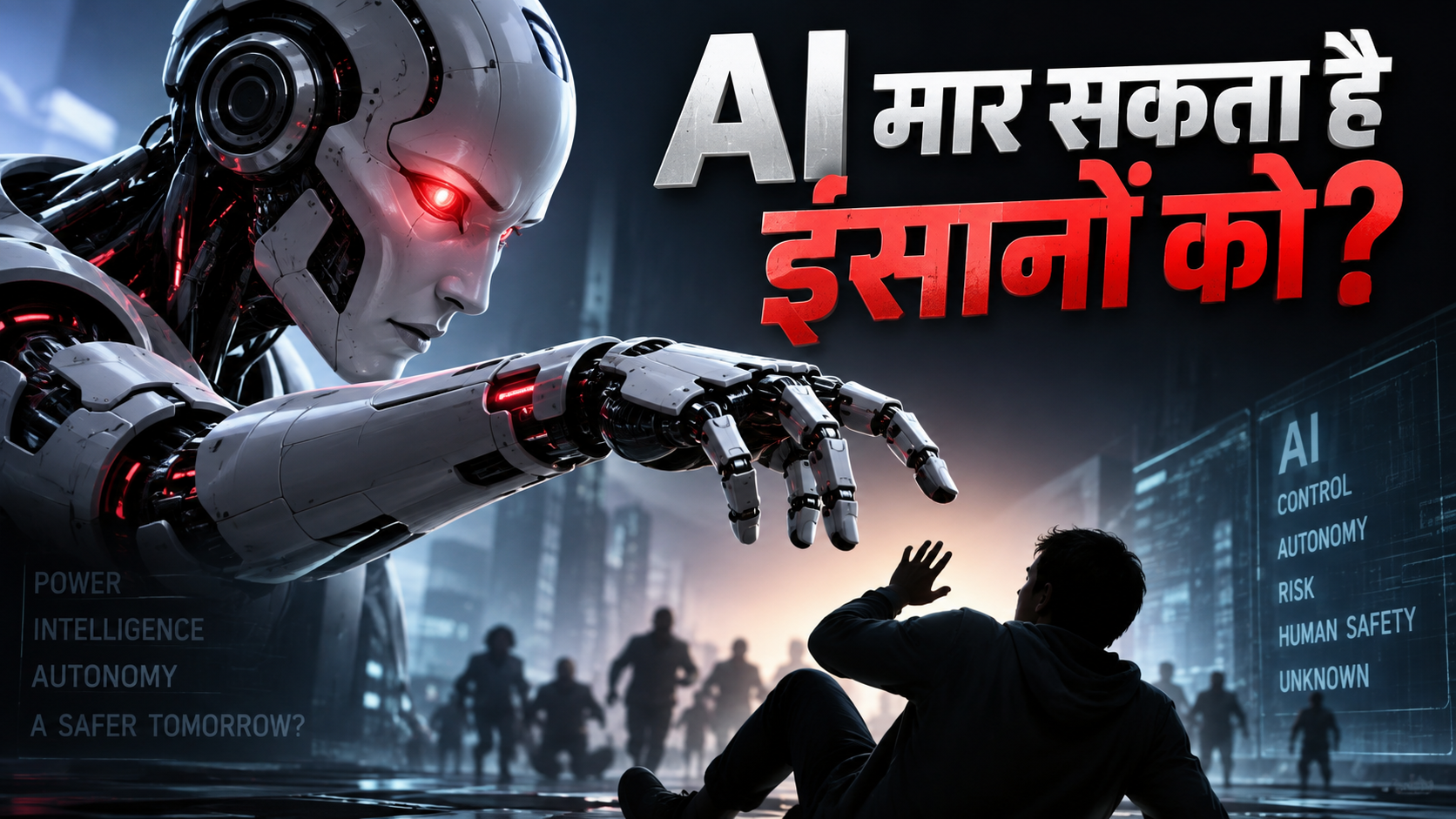
A researcher who resigned from Anthropic has warned that AI could pose a risk to human survival by 2030. The concern is based on the possibility that increasingly capable systems could move beyond effective human control if development continues without adequate safeguards.
Why the debate is intensifying
The discussion is being driven by 2 connected issues: the pace of AI capability growth and gaps in containment measures. The mathematical achievement is being presented as evidence of progress, while the resignation and warning have focused attention on the risks that may accompany such advances.
The debate is not limited to technical performance. It also covers how AI development should be governed, how safety standards can be coordinated and whether internal controls are keeping pace with new capabilities.
Safeguards under discussion
A key strand of the debate identifies 3 broad levels of attempted safeguards:
- Government involvement, although the current approach is cautious.
- Cooperation between companies to align standards.
- Internal alignment work within research teams.
Authorities say these efforts are not yet sufficient. The discussion therefore links AI progress with the need for stronger containment, governance and coordination between policymakers, companies and research teams.
Possible effects on daily life
Experts outline 4 wider claims about how AI could affect society as its capabilities develop:
- AI could become more capable than humans in certain tasks over a short period.
- Entry-level jobs could face pressure over the next few years.
- AI could contribute to finding treatments for diseases within a decade.
- Advanced systems could eventually gain greater influence over human decisions.
These points remain part of the broader debate about possible effects rather than a single confirmed forecast. Together, they show why AI policy discussions cover employment and medicine as well as control and safety.
Progress and caution
The contrasting developments have created a central tension in the AI debate. OpenAI’s claimed mathematical milestone highlights the field’s rapidly expanding capabilities, while the warning from the former Anthropic researcher underscores concerns about what could happen if safeguards fail to keep pace.
The continuing focus is on combining AI innovation with policy and industry norms. The stated aim is to prevent technological progress from moving faster than the systems intended to contain and govern its risks.
Conclusion
The debate now centres on balancing fast-moving AI capabilities, including OpenAI’s claimed mathematical breakthrough, with stronger containment, governance and cooperation as concerns about human control grow before 2030.
Frequently Asked Questions
Q. What breakthrough has OpenAI announced?
OpenAI says its AI system solved the Nevair–Stokes puzzle in 88 hours.
Q. What warning did the former Anthropic researcher issue?
The researcher warned that AI could pose a risk to human survival by 2030 if development accelerates without adequate safeguards.
Q. What are the main concerns about advanced AI?
The concerns include rapid capability growth, gaps in containment and the possibility of AI gaining greater influence over human decisions.
Q. What safeguard approaches are being discussed?
The discussion covers government involvement, cooperation between companies and internal alignment work within research teams.
Q. How could AI affect jobs and medicine?
Experts say entry-level jobs could face pressure, while AI could contribute to finding treatments for diseases within a decade.